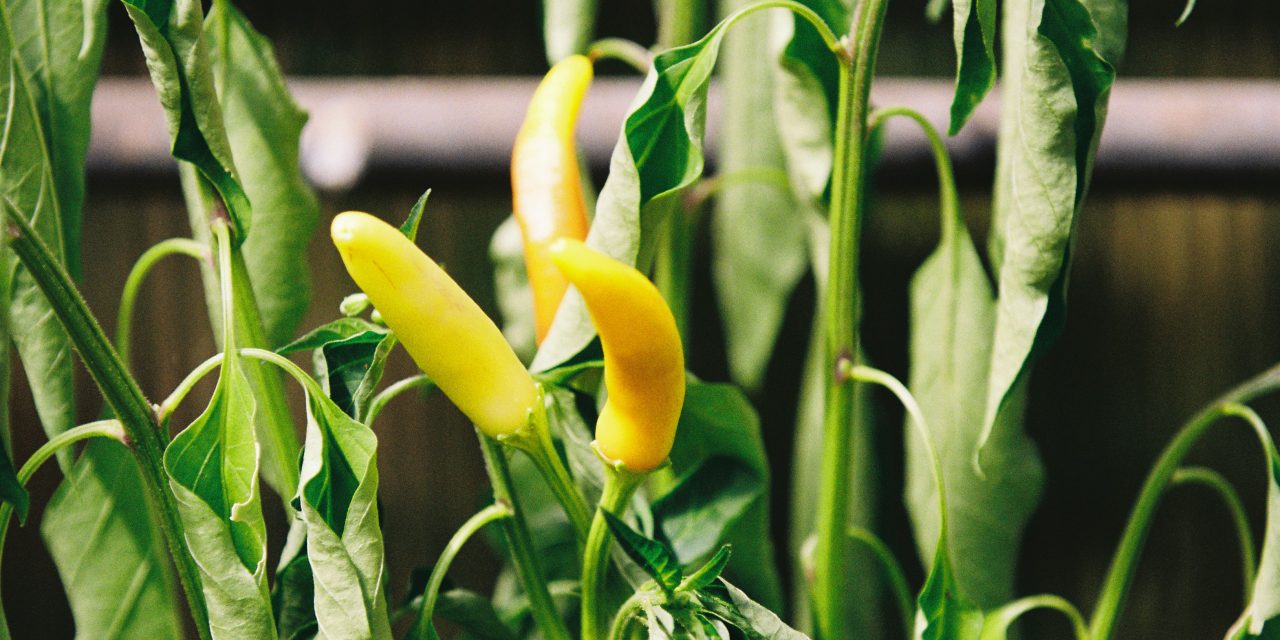
Pepper plants, belonging to the Capsicum genus, thrive in environments that provide ample sunlight. These plants require a minimum of six to eight hours of direct sunlight daily to achieve optimal growth and fruit production. Insufficient light can lead to stunted growth, poor flowering, and reduced fruit yield. The chlorophyll in the leaves plays a crucial role in photosynthesis, the process by which plants convert light energy into chemical energy. When pepper plants do not receive adequate sunlight, their chlorophyll production diminishes, resulting in pale leaves and weak stems.
To ensure that pepper plants receive sufficient light, gardeners should consider their planting location carefully. Areas that are unobstructed by trees or buildings are ideal. Utilizing reflective surfaces, such as white walls or mulch, can enhance light exposure. Additionally, rotating pots or containers can help maximize sunlight absorption throughout the day. If natural sunlight is limited, supplemental grow lights can be employed to mimic the sun’s spectrum, particularly during shorter days or in regions with less intense sunlight.
Poor Soil Quality and Nutrient Deficiency
The quality of soil is paramount for the healthy growth of pepper plants. Nutrient-rich soil provides essential elements such as nitrogen, phosphorus, and potassium, which are vital for plant development. Poor soil quality often leads to nutrient deficiencies that manifest as yellowing leaves, poor fruit set, and overall weak plant structure. Soil pH also plays a significant role; pepper plants prefer a slightly acidic to neutral pH range of 6.0 to 7.0. Deviations from this range can hinder nutrient availability.
To improve soil quality, gardeners should conduct a soil test to determine nutrient levels and pH balance. Based on the results, amendments such as compost, well-rotted manure, or specific fertilizers can be added to enhance nutrient content. Regularly incorporating organic matter into the soil not only improves fertility but also enhances soil structure and drainage capabilities. Mulching around the base of pepper plants can help retain moisture and suppress weeds, further contributing to a healthier growing environment.
Watering practices significantly influence the health of pepper plants. Both overwatering and underwatering can lead to detrimental effects on plant growth. Overwatering can cause root rot, a condition where roots become waterlogged and oxygen-starved, leading to decay. Symptoms include wilting leaves despite wet soil and a foul odor emanating from the root zone. Conversely, underwatering results in dehydration, causing leaves to curl and drop prematurely.
To establish an effective watering regimen, it is essential to assess soil moisture levels regularly. A simple method involves inserting a finger into the soil up to two inches; if it feels dry at this depth, it is time to water. Drip irrigation systems or soaker hoses can provide consistent moisture without saturating the roots excessively. Additionally, watering early in the morning allows for evaporation during the day while ensuring that plants have adequate moisture for their metabolic processes.
Temperature Stress: Too Hot or Too Cold for Growth

Temperature extremes can severely impact pepper plant health and productivity. Ideal growing temperatures for most pepper varieties range between 70°F and 85°F (21°C to 29°C). Exposure to temperatures below 50°F (10°C) can stunt growth and delay flowering, while excessive heat above 90°F (32°C) can lead to blossom drop and sunscald on fruits. Understanding these temperature thresholds is crucial for successful cultivation.
To mitigate temperature stress, gardeners should monitor local weather conditions closely. In cooler climates, using row covers or cloches can provide warmth during chilly nights. Conversely, in regions prone to extreme heat, providing shade cloth during peak sunlight hours can protect plants from scorching temperatures. Additionally, ensuring proper soil moisture helps regulate root temperature and supports overall plant resilience against temperature fluctuations.
Pest Infestations Hindering Plant Development

Pest infestations pose a significant threat to pepper plants, often leading to reduced yields and compromised plant health. Common pests include aphids, spider mites, and whiteflies, which feed on plant sap and weaken the overall vigor of the plant. Signs of infestation may include distorted leaves, sticky residue on foliage (honeydew), and visible pests on stems or undersides of leaves.
Integrated Pest Management (IPM) strategies are effective in controlling pest populations while minimizing chemical use. Regularly inspecting plants for early signs of infestation allows for timely intervention. Natural predators such as ladybugs or lacewings can be introduced to control aphid populations. Additionally, insecticidal soaps or neem oil can be applied as organic solutions to manage pest outbreaks without harming beneficial insects.
Diseases Affecting Pepper Plant Health
Pepper plants are susceptible to various diseases that can hinder their growth and productivity. Fungal infections such as powdery mildew and root rot are common issues that arise from excessive moisture or poor air circulation. Bacterial diseases like bacterial leaf spot can also devastate crops if not managed promptly. Symptoms may include wilting leaves, dark spots on foliage, or stunted growth.
Preventative measures are crucial in managing plant diseases effectively. Crop rotation is an essential practice that helps break disease cycles by preventing pathogens from establishing in the soil year after year. Ensuring proper spacing between plants promotes air circulation and reduces humidity levels around foliage, minimizing fungal disease risks. Infected plants should be promptly removed and disposed of to prevent further spread.
Inadequate Spacing and Crowding Issues
Proper spacing between pepper plants is vital for their overall health and productivity. Crowded conditions can lead to competition for resources such as light, water, and nutrients, ultimately resulting in stunted growth and increased susceptibility to diseases. When plants are too close together, airflow is restricted, creating a humid microclimate conducive to fungal infections.
To avoid crowding issues, gardeners should adhere to recommended spacing guidelines based on the specific pepper variety being cultivated. Generally, spacing plants 18 to 24 inches apart allows for adequate airflow while providing sufficient room for growth. Thinning seedlings during early growth stages can also help prevent overcrowding later in the season.
Choosing the Wrong Pepper Varieties for Your Climate
Selecting appropriate pepper varieties for specific climatic conditions is crucial for successful cultivation. Different pepper types have varying heat tolerances and growth requirements; thus, understanding local climate conditions is essential when making selections. For instance, sweet bell peppers thrive in warm climates with long growing seasons, while certain hot pepper varieties may require more heat to develop their characteristic flavors.
Researching local growing conditions and consulting with local agricultural extensions or gardening centers can provide valuable insights into suitable pepper varieties for specific regions. Additionally, considering factors such as disease resistance and maturity time can help ensure successful harvests tailored to local climates.
Lack of Proper Pruning and Maintenance
Pruning is an essential practice that promotes healthy growth and maximizes fruit production in pepper plants. Neglecting pruning can lead to overcrowded foliage that inhibits light penetration and air circulation. This lack of maintenance may result in reduced yields and increased susceptibility to diseases.
Regularly removing suckers—small shoots that develop between the main stem and branches—can redirect energy toward fruit production rather than excessive foliage growth. Additionally, trimming dead or diseased leaves helps maintain plant health by preventing disease spread. Establishing a routine maintenance schedule ensures that pepper plants remain vigorous throughout their growing season.
Using the Wrong Fertilizer or Over-fertilizing
Fertilization plays a critical role in supporting healthy pepper plant growth; however, using inappropriate fertilizers or over-fertilizing can lead to nutrient imbalances that adversely affect plant health. Excessive nitrogen application may result in lush foliage at the expense of fruit production while causing susceptibility to pests and diseases.
To optimize fertilization practices, gardeners should select fertilizers formulated specifically for vegetable crops with balanced N-P-K (nitrogen-phosphorus-potassium) ratios tailored to pepper plants’ needs. Conducting regular soil tests helps determine nutrient requirements accurately while preventing over-application of fertilizers that could harm plant health.
How to Diagnose Problems and Implement Effective Solutions
Diagnosing issues affecting pepper plants requires careful observation of symptoms and environmental conditions. Regularly inspecting foliage for discoloration or deformities provides valuable insights into potential problems such as nutrient deficiencies or pest infestations. Utilizing resources such as gardening guides or local agricultural extensions can aid in identifying specific issues based on observed symptoms.
Once problems are diagnosed accurately, implementing effective solutions becomes paramount for restoring plant health. For instance, if nutrient deficiencies are identified through leaf discoloration patterns, targeted fertilization can address these deficiencies promptly. Similarly, if pests are detected early on through visual inspections or sticky traps placed around the garden area, appropriate pest management strategies can be employed before infestations escalate.
In summary, maintaining healthy pepper plants requires attention to various factors including sunlight exposure, soil quality, watering practices, temperature management, pest control measures, disease prevention strategies, proper spacing techniques, variety selection based on climate suitability, regular pruning routines, appropriate fertilization practices as well as diligent problem diagnosis followed by effective solutions implementation strategies tailored specifically towards each identified issue encountered throughout their growth cycle ensuring optimal yields while minimizing risks associated with cultivation challenges faced by gardeners today!
FAQs
What are the common reasons for pepper plants not growing?
Common reasons for pepper plants not growing include inadequate sunlight, poor soil quality, insufficient watering, pest infestations, and extreme temperatures. Pepper plants typically require at least 6-8 hours of direct sunlight daily, well-draining soil rich in nutrients, consistent moisture without waterlogging, and protection from pests and extreme weather conditions.
How much sunlight do pepper plants need?
Pepper plants thrive best in full sunlight, requiring at least 6 to 8 hours of direct sunlight each day. Insufficient sunlight can lead to stunted growth and poor fruit production. If your plants are not receiving enough light, consider relocating them or using grow lights if they are indoors.
What type of soil is best for growing pepper plants?
Pepper plants prefer well-draining soil that is rich in organic matter. A pH level between 6.0 and 7.0 is ideal. You can improve soil quality by adding compost or well-rotted manure to provide essential nutrients and enhance drainage.
How often should I water my pepper plants?
Pepper plants require consistent moisture, but overwatering can lead to root rot. It is generally recommended to water them deeply once a week, allowing the top inch of soil to dry out between waterings. Adjust the frequency based on weather conditions, as hotter temperatures may require more frequent watering.
What pests should I watch out for when growing pepper plants?
Common pests that can affect pepper plants include aphids, spider mites, whiteflies, and thrips. These pests can cause damage by sucking sap from the plants, leading to stunted growth and reduced yields. Regularly inspect your plants for signs of infestation and consider using insecticidal soap or neem oil as a treatment if necessary.