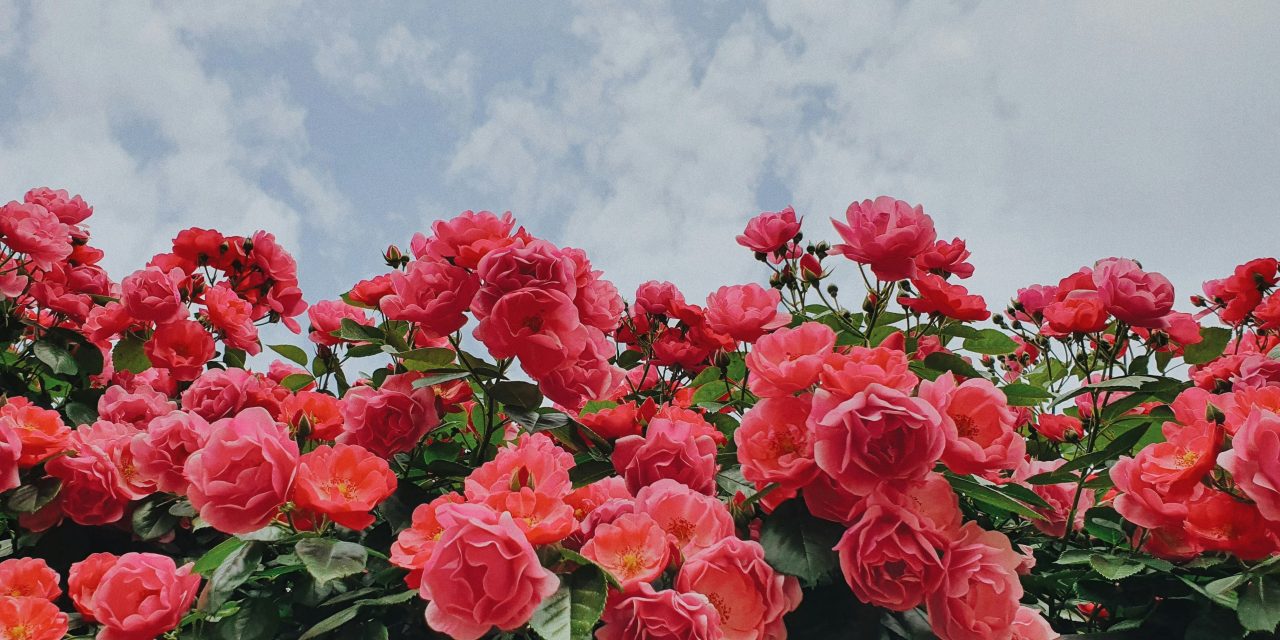
Selecting the appropriate rose variety for container gardening is crucial for ensuring a thriving and visually appealing display. Not all roses are suited for confined spaces; therefore, it is essential to consider the growth habits and size of the plant. Compact varieties, such as miniature roses, patio roses, and certain hybrid teas, are ideal for container cultivation due to their manageable size and prolific blooming capabilities. For instance, the ‘Baby Love’ miniature rose is renowned for its vibrant yellow blooms and compact stature, making it a perfect candidate for pots.
Additionally, consider the climate and growing conditions in your area when choosing a rose variety. Some roses are more tolerant of heat, while others thrive in cooler temperatures. For example, the ‘Knock Out’ series is celebrated for its resilience and ability to flourish in various climates, making it a versatile choice for container gardening. By selecting the right variety, you can ensure that your roses will not only survive but also flourish in their confined environment.
Selecting the Perfect Container for Your Roses
The choice of container plays a pivotal role in the health and growth of your roses. When selecting a pot, opt for one that is at least 12 to 18 inches in diameter and has adequate drainage holes to prevent waterlogging. Terracotta pots are popular due to their breathability, which allows for better air circulation around the roots. However, they can dry out quickly, so regular monitoring of moisture levels is essential.
Moreover, consider the weight of the container, especially if you plan to move it frequently. Lightweight materials such as resin or fiberglass can be advantageous for mobility while still providing sufficient durability. Additionally, ensure that the container’s depth is adequate to accommodate the root system of the rose variety you choose. A deeper pot will allow for better root development and stability, ultimately leading to healthier plants.
Preparing the Soil Mix for Optimal Growth

Creating an optimal soil mix is fundamental to the success of container roses. A well-draining potting mix is essential to prevent root rot and promote healthy growth. A recommended blend consists of equal parts potting soil, perlite, and compost. The potting soil provides essential nutrients, while perlite enhances aeration and drainage. Compost enriches the mix with organic matter, fostering beneficial microbial activity.
Before planting, it is advisable to amend the soil with slow-release fertilizers that are specifically formulated for roses. These fertilizers typically contain a balanced ratio of nitrogen, phosphorus, and potassium (N-P-K), which supports robust growth and flowering. Additionally, incorporating organic matter such as well-rotted manure or worm castings can further enhance soil fertility and structure.
Planting Your Rose Bush Correctly

Proper planting techniques are vital for ensuring that your container roses establish themselves successfully. Begin by filling the container with your prepared soil mix, leaving enough space at the top for watering without overflow. When placing the rose bush in the pot, ensure that the graft union—the swollen area where the rose variety was grafted onto the rootstock—is level with or slightly above the soil surface. This positioning helps prevent rot and encourages healthy growth.
After positioning the rose bush, gently backfill with soil, ensuring there are no air pockets around the roots. Firmly press down on the soil to secure the plant in place but avoid compacting it too tightly. Water thoroughly after planting to help settle the soil around the roots and provide immediate hydration to your new rose bush.
Providing Adequate Sunlight for Container Roses
Roses thrive in full sunlight, requiring at least six hours of direct sunlight daily for optimal growth and blooming. When positioning your container roses, choose a location that receives ample sunlight throughout the day. South-facing patios or balconies are often ideal spots as they capture maximum sunlight exposure.
If you live in an area with intense heat, consider providing some afternoon shade to protect your roses from scorching temperatures. Using shade cloth or strategically placing taller plants nearby can help mitigate excessive sun exposure while still allowing sufficient light for photosynthesis.
Watering Tips to Keep Roses Healthy
Watering is a critical aspect of maintaining healthy container roses. Unlike garden-planted roses that can draw moisture from surrounding soil, container roses rely entirely on you for hydration. It is essential to establish a consistent watering routine based on environmental conditions such as temperature and humidity levels.
A general guideline is to water deeply once or twice a week, allowing excess water to drain from the bottom of the pot. This practice encourages deep root growth and prevents shallow rooting. Always check the moisture level by inserting your finger into the soil; if it feels dry an inch below the surface, it’s time to water. Avoid letting your roses sit in standing water, as this can lead to root rot and other fungal diseases.
Fertilizing Your Container Roses Effectively
Fertilization is crucial for promoting vigorous growth and abundant blooms in container roses. Begin by applying a slow-release fertilizer at planting time to provide essential nutrients over an extended period. Look for fertilizers specifically formulated for roses that contain balanced N-P-K ratios along with micronutrients such as magnesium and iron.
As your roses grow and bloom, consider supplementing with liquid fertilizers every four to six weeks during the growing season. This practice provides an immediate nutrient boost that supports flowering and overall plant health. Be cautious not to over-fertilize; excessive nutrients can lead to lush foliage at the expense of blooms.
Pruning Techniques for Beautiful Blooms
Pruning is an essential practice that encourages healthy growth and enhances flowering in container roses. The best time to prune is in early spring before new growth begins. Start by removing any dead or damaged wood, cutting back to healthy tissue. This practice not only improves aesthetics but also prevents disease spread.
For established plants, consider thinning out crowded branches to improve air circulation within the bush. Aim to maintain an open center structure that allows sunlight to penetrate throughout the plant. Additionally, deadheading—removing spent blooms—encourages continuous flowering by redirecting energy from seed production back into new growth.
Managing Pests and Diseases Naturally
Container roses can be susceptible to various pests and diseases; however, natural management strategies can effectively mitigate these issues without resorting to harsh chemicals. Regularly inspect your plants for signs of aphids, spider mites, or whiteflies—common pests that can affect rose health.
Introduce beneficial insects such as ladybugs or lacewings into your garden; these natural predators help control pest populations without harming your plants. Additionally, employing neem oil or insecticidal soap can provide effective treatment against infestations while being gentle on beneficial insects.
To prevent diseases such as powdery mildew or black spot, ensure proper air circulation around your plants by avoiding overcrowding and maintaining adequate spacing between containers. Watering at the base of the plant rather than overhead can also reduce moisture on foliage, minimizing disease risk.
Overwintering Your Container Roses
Preparing your container roses for winter is essential to ensure their survival through colder months. In regions with harsh winters, consider moving pots into a sheltered location such as a garage or shed where temperatures remain above freezing. If moving indoors is not feasible, insulating pots with burlap or bubble wrap can help protect roots from extreme cold.
Additionally, reduce watering during winter months as plants enter dormancy; however, do not allow them to completely dry out. Mulching around the base of the plant can also provide insulation against temperature fluctuations while retaining moisture in the soil.
Enjoying and Displaying Your Gorgeous Container Roses
Once your container roses are thriving, take time to enjoy their beauty and fragrance throughout the growing season. Consider grouping pots together for a stunning visual display or placing them along pathways or entrances where their vibrant colors can be appreciated by all who pass by.
Regularly deadhead spent blooms to encourage continuous flowering and maintain a tidy appearance. Additionally, consider using decorative stakes or trellises to support climbing varieties or add height to your arrangements. With proper care and attention, your container roses will provide a stunning focal point in any outdoor space.
In summary, cultivating container roses requires careful selection of varieties suited for confined spaces, appropriate containers with adequate drainage, optimal soil mixes enriched with nutrients, and consistent care through watering and fertilization practices. Pruning techniques enhance blooming potential while natural pest management strategies promote plant health without harmful chemicals. Preparing for winter ensures longevity while enjoying their beauty adds charm to any garden setting. By following these guidelines, you can create a flourishing display of container roses that will delight both you and your guests throughout the growing season.
FAQs
What type of roses are best suited for container gardening?
When growing roses in containers, smaller varieties such as miniature roses, patio roses, and dwarf roses are often the best choices. These types are more manageable in size and can thrive in limited space, making them ideal for pots.
What size container is recommended for growing roses?
A container that is at least 12 to 18 inches in diameter is recommended for growing roses. This size allows enough room for the roots to spread and provides adequate soil volume to retain moisture and nutrients.
How often should I water container-grown roses?
Container-grown roses typically require more frequent watering than those planted in the ground. It’s important to check the soil moisture regularly and water when the top inch of soil feels dry. Generally, watering every 2 to 3 days is advisable, especially during hot weather.
What type of soil should I use for roses in containers?
A well-draining potting mix is essential for growing roses in containers. Look for a mix that contains organic matter, such as compost or peat moss, and ensure it has good drainage properties to prevent root rot.
How can I fertilize roses in containers?
Roses in containers benefit from regular fertilization. Use a balanced, slow-release fertilizer specifically formulated for roses, applying it according to the package instructions. Typically, fertilizing every 4 to 6 weeks during the growing season will promote healthy growth and blooming.