Meal prepping has gained immense popularity in recent years, particularly among health-conscious individuals and busy professionals. The concept revolves around preparing meals in advance to save time, reduce stress, and promote healthier eating habits. Chicken, being a versatile and protein-rich food source, is often a staple in meal prep routines. Understanding the fundamentals of chicken meal prep is essential for achieving flavorful and nutritious meals that can be enjoyed throughout the week.
The process begins with planning. A well-structured meal prep strategy involves selecting recipes that align with dietary goals, considering portion sizes, and determining the number of meals to prepare. Chicken can be prepared in various forms—grilled, baked, sautéed, or shredded—allowing for diverse culinary applications. Additionally, incorporating a variety of vegetables, grains, and legumes can enhance nutritional value while keeping meals exciting.
Choosing the Right Cut of Chicken for Meal Prep
Selecting the appropriate cut of chicken is crucial for meal prep success. Different cuts offer varying flavors, textures, and cooking times, which can significantly impact the final dish. Common cuts include chicken breasts, thighs, drumsticks, and wings. Chicken breasts are lean and cook quickly, making them a popular choice for health-conscious individuals. However, they can dry out if not cooked properly.
On the other hand, chicken thighs are richer in flavor due to their higher fat content and tend to remain moist even after cooking. Drumsticks and wings provide a more casual dining experience and are often favored for their unique taste and texture. When choosing chicken for meal prep, consider personal preferences, dietary restrictions, and the intended cooking method to ensure optimal results.
Properly Marinating Chicken to Retain Moisture

Marinating chicken is an effective technique to enhance flavor while retaining moisture during cooking. A well-balanced marinade typically consists of an acid (such as vinegar or citrus juice), oil, and various seasonings. The acid helps to tenderize the meat by breaking down proteins, while oil adds richness and prevents drying out during cooking.
To achieve maximum flavor infusion, marinate chicken for at least 30 minutes; however, longer marination times—up to 24 hours—can yield even better results. It is essential to refrigerate the chicken while marinating to prevent bacterial growth. Experimenting with different herbs and spices can lead to exciting flavor profiles that keep meal prep interesting.
The Importance of Brining Chicken Before Cooking

Brining is another technique that can significantly improve the juiciness of chicken. This process involves soaking the meat in a saltwater solution, which helps to enhance moisture retention during cooking. The salt in the brine penetrates the chicken, allowing it to absorb water and flavor.
A basic brine consists of water, salt, and optional sugar or spices for added flavor. The ideal brining time varies depending on the cut of chicken; for instance, boneless chicken breasts may require only 30 minutes, while whole chickens may benefit from several hours or overnight brining. Properly brined chicken will not only be juicier but also more flavorful, making it an excellent choice for meal prep.
Optimal Cooking Methods to Keep Chicken Juicy
The cooking method employed plays a significant role in determining the final texture and juiciness of chicken. Several techniques can be utilized to achieve tender results. Grilling is a popular option that imparts a smoky flavor while allowing excess fat to drip away. Baking is another effective method that promotes even cooking without excessive moisture loss.
Sautéing in a skillet with a small amount of oil can also yield delicious results while allowing for quick preparation. Slow cooking is ideal for tougher cuts like thighs or drumsticks, as it breaks down connective tissues and enhances tenderness over time. Regardless of the method chosen, monitoring cooking times is essential to prevent overcooking.
Using Temperature Control to Prevent Overcooking
Temperature control is paramount when it comes to cooking chicken properly. Overcooking can lead to dry, tough meat that is unappetizing and lacks flavor. The recommended internal temperature for cooked chicken is 165°F (74°C), as verified by a meat thermometer inserted into the thickest part of the meat.
Using an instant-read thermometer allows for precise monitoring during cooking. For those who prefer a more hands-off approach, sous vide cooking offers an excellent alternative by maintaining a consistent temperature throughout the cooking process. This method ensures that chicken remains juicy while achieving desired doneness without the risk of overcooking.
Tips for Resting Chicken After Cooking
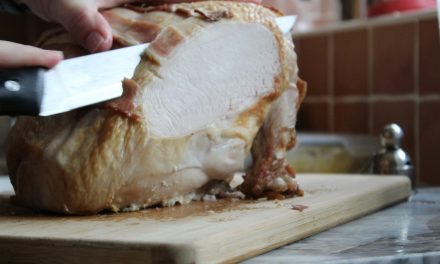
Resting chicken after cooking is a crucial step that should not be overlooked. Allowing the meat to rest for at least five to ten minutes before slicing enables juices to redistribute throughout the meat fibers. This process results in a more succulent final product.
Covering the chicken loosely with aluminum foil during resting helps retain warmth while preventing moisture loss. Skipping this step can lead to dry meat that lacks flavor and tenderness. By incorporating resting time into your meal prep routine, you can significantly enhance the overall quality of your chicken dishes.
Portioning and Storing Chicken for Meal Prep
Once cooked, proper portioning and storage are vital for maintaining freshness and safety in meal prep. Divide cooked chicken into individual servings based on dietary needs or meal plans. Utilizing airtight containers helps preserve flavor and prevents contamination.
Refrigerated cooked chicken should be consumed within three to four days for optimal safety and quality. For longer storage periods, consider freezing portions in vacuum-sealed bags or freezer-safe containers. Labeling containers with dates ensures that you keep track of freshness while minimizing food waste.
Reheating Techniques That Preserve Moisture
Reheating cooked chicken can often lead to dryness if not done correctly. To preserve moisture during reheating, consider using methods such as steaming or microwaving with a damp paper towel covering the dish. These techniques create steam that helps retain moisture while warming the chicken evenly.
Alternatively, reheating in an oven at a low temperature (around 325°F or 163°C) allows for gradual warming without compromising texture. Adding a splash of broth or sauce during reheating can also enhance moisture levels and flavor profiles.
Incorporating Sauces and Moist Ingredients
Incorporating sauces or moist ingredients into meal prep can elevate chicken dishes while enhancing flavor and moisture content. Consider using marinades as sauces or adding ingredients like yogurt or sour cream to create creamy textures that complement grilled or baked chicken.
Additionally, incorporating vegetables with high water content—such as tomatoes or bell peppers—can contribute moisture during cooking and reheating processes. Experimenting with different sauces can lead to exciting variations that keep meals fresh and enjoyable throughout the week.
Common Mistakes to Avoid When Meal Prepping Chicken
Several common pitfalls can hinder successful chicken meal prep efforts. One frequent mistake is neglecting proper seasoning; bland chicken can lead to unappetizing meals that lack appeal. Always season generously with salt and spices before cooking.
Another common error is overcrowding pans during cooking; this can lead to uneven cooking and steaming rather than browning. Additionally, failing to monitor cooking temperatures can result in overcooked or undercooked meat—both undesirable outcomes.
Lastly, skipping resting time after cooking can lead to dry chicken due to juice loss during slicing. By avoiding these mistakes and implementing best practices in meal prep routines, individuals can enjoy flavorful and nutritious chicken dishes throughout the week.
In summary, mastering chicken meal prep involves understanding various techniques—from selecting cuts and marinating to optimal cooking methods and proper storage practices. By incorporating these strategies into your routine, you can create delicious meals that are both convenient and satisfying while avoiding common pitfalls along the way.
FAQs
What is the best method to marinate chicken for meal prep?
The best method to marinate chicken for meal prep is to use a mixture of acidic ingredients, such as lemon juice or vinegar, along with oil and seasonings. Marinating for at least 30 minutes to a few hours helps to tenderize the meat and infuse flavor without drying it out during cooking.
How can I cook chicken to prevent it from drying out?
To prevent chicken from drying out during cooking, consider using methods such as baking, grilling, or poaching at lower temperatures. Cooking chicken to an internal temperature of 165°F (75°C) and allowing it to rest for a few minutes before slicing can also help retain moisture.
What types of chicken cuts are best for meal prepping?
Boneless, skinless chicken thighs are often recommended for meal prepping because they are more forgiving and tend to stay moist compared to chicken breasts. However, if you prefer chicken breasts, brining them before cooking can help keep them juicy.
How can I store meal-prepped chicken to maintain its moisture?
To maintain moisture in meal-prepped chicken, store it in airtight containers in the refrigerator. Adding a small amount of broth or sauce before sealing can also help keep the chicken moist. Consume the meal-prepped chicken within 3-4 days for optimal freshness.
Can I freeze meal-prepped chicken, and how should I do it?
Yes, you can freeze meal-prepped chicken. To do so, allow the chicken to cool completely, then place it in airtight freezer bags or containers. Remove as much air as possible to prevent freezer burn. Properly stored, it can last for up to 3 months in the freezer.