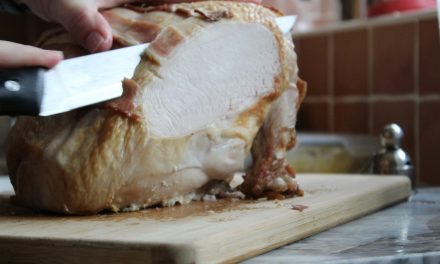
When embarking on the culinary journey of crafting pulled pork, selecting the appropriate cut of meat is paramount. The most favored choice among chefs and home cooks alike is the pork shoulder, also known as the Boston butt or picnic shoulder. This cut is renowned for its rich marbling and connective tissue, which break down during the slow cooking process, resulting in a succulent and flavorful dish. The ideal weight for a pork shoulder typically ranges from 4 to 8 pounds, allowing for ample servings while ensuring that the meat retains its moisture and tenderness.
Another viable option is the pork loin, although it is less commonly used due to its lower fat content. While it can yield a leaner product, it may not achieve the same level of tenderness as the shoulder. For those seeking a unique flavor profile, consider using pork belly, which offers a higher fat ratio and can produce an incredibly rich pulled pork. Regardless of the cut chosen, it is essential to ensure that the meat is fresh and of high quality, as this will significantly impact the final outcome of your dish.
Essential Ingredients for Flavorful Pulled Pork
Creating a mouthwatering pulled pork dish requires more than just the right cut of meat; it necessitates a harmonious blend of essential ingredients that enhance flavor and depth. The foundation of any pulled pork recipe typically includes salt and pepper, which serve to season the meat and elevate its natural flavors. Additionally, garlic powder and onion powder are often incorporated to provide aromatic undertones that complement the richness of the pork.
Beyond these basic seasonings, many cooks opt to include a variety of spices such as paprika, cumin, and cayenne pepper to introduce complexity and warmth to the dish. Furthermore, adding brown sugar can create a delightful caramelization during cooking, contributing to a sweet and savory balance. Fresh herbs like thyme or rosemary can also be included for an aromatic touch. Ultimately, the combination of these ingredients will create a flavor profile that tantalizes the palate and leaves diners craving more.
Preparing the Pork: Trimming and Seasoning

Before embarking on the cooking process, proper preparation of the pork is crucial for achieving optimal results. Begin by trimming any excessive fat from the surface of the pork shoulder; however, it is important to leave some fat intact as it will render during cooking, imparting moisture and flavor to the meat. Aim for a thin layer of fat that will enhance the overall taste without overwhelming the dish.
Once trimmed, it is time to season the pork generously. A thorough application of salt and pepper is essential, as these basic seasonings will penetrate the meat during cooking. For those who prefer a more robust flavor, consider applying a dry rub at this stage. This mixture can include various spices and herbs tailored to personal preferences. Allowing the seasoned pork to rest for at least an hour—or even overnight in the refrigerator—will enable the flavors to meld and penetrate deeper into the meat.
Creating the Perfect Dry Rub for Tenderness

A well-crafted dry rub can elevate pulled pork from ordinary to extraordinary by enhancing tenderness and flavor. The key components of an effective dry rub typically include a combination of sweet, savory, and spicy elements. Brown sugar serves as a base for sweetness, while smoked paprika adds depth and a hint of smokiness that complements the pork beautifully.
To create an ideal dry rub, combine equal parts brown sugar with salt, then add spices such as garlic powder, onion powder, black pepper, cumin, and cayenne pepper according to taste preferences. For those who enjoy a bit of heat, consider increasing the cayenne or adding chili powder. Once mixed thoroughly, apply the rub liberally over all surfaces of the pork shoulder, ensuring even coverage for maximum flavor infusion.
Setting Up Your Slow Cooker for Optimal Cooking
The slow cooker is an invaluable tool for achieving tender pulled pork with minimal effort. To set up your slow cooker effectively, begin by placing a layer of sliced onions or garlic at the bottom of the pot; this will create a flavorful base that infuses moisture into the meat during cooking. Next, position the seasoned pork shoulder on top of this aromatic layer.
For added flavor complexity, consider incorporating additional ingredients such as apple cider vinegar or Worcestershire sauce into the slow cooker. These acidic components help tenderize the meat while imparting tangy notes that balance out the richness of the pork. Once everything is in place, cover the slow cooker with its lid securely to retain heat and moisture throughout the cooking process.
Cooking Time and Temperature Guidelines
Cooking time and temperature are critical factors in achieving perfectly tender pulled pork. For optimal results in a slow cooker, set it to low heat for approximately 8 to 10 hours or high heat for 4 to 6 hours. The low-and-slow method allows collagen in the meat to break down gradually, resulting in an incredibly tender texture that pulls apart effortlessly.
It is essential to monitor internal temperatures using a meat thermometer; pulled pork should reach an internal temperature of at least 195°F (90°C) for optimal tenderness. At this temperature, collagen transforms into gelatin, enriching the meat’s juiciness and flavor profile. Once cooked to perfection, allow the pork to rest for at least 30 minutes before shredding; this resting period enables juices to redistribute throughout the meat.
Adding Liquid: Broth, BBQ Sauce, or Other Options
Incorporating liquid into your slow cooker is vital for maintaining moisture during cooking while enhancing flavor profiles. Common choices include chicken broth or vegetable broth; these options provide a savory base that complements the pork without overpowering its natural taste. Alternatively, some cooks prefer using apple juice or cider for a touch of sweetness that pairs beautifully with savory elements.
For those who enjoy bold flavors, adding BBQ sauce directly into the slow cooker can infuse the meat with rich taste throughout the cooking process. However, it is advisable to reserve some sauce for later mixing after shredding to ensure that flavors remain vibrant and fresh. Regardless of your choice of liquid, be sure not to overfill your slow cooker; approximately 1 cup should suffice to create steam without drowning the meat.
Checking for Doneness: How to Know When It’s Ready
Determining when your pulled pork has reached perfect doneness requires careful observation and testing. As previously mentioned, using a meat thermometer is crucial; aim for an internal temperature of 195°F (90°C) or higher for optimal tenderness. However, visual cues can also indicate readiness—look for meat that easily pulls apart with minimal resistance when probed with a fork.
Another method involves checking for bone separation if using bone-in cuts; when cooked properly, bones should slide out effortlessly from the meat. Additionally, observe how easily you can shred the pork with two forks; if it falls apart with little effort, you have achieved ideal doneness.
Shredding the Pork: Tips for Maximum Tenderness
Once your pulled pork has reached its desired doneness and rested adequately, it’s time to shred it into delectable pieces. Begin by using two forks—one to hold the meat steady while you pull apart strands with the other fork. For maximum tenderness, ensure that you shred against the grain; this technique breaks down muscle fibers more effectively and results in a more enjoyable texture.
If you prefer a finer shred or are working with larger pieces of meat, consider using your hands (with gloves) or even a stand mixer fitted with paddle attachments on low speed for quick shredding. Regardless of your method, be sure to remove any large chunks of fat or gristle during this process to ensure a clean final product.
Mixing in Sauce and Final Flavor Adjustments
After shredding your pulled pork to perfection, it’s time to mix in your chosen BBQ sauce or other flavor enhancers. Begin by adding a small amount of sauce—approximately half a cup—and gently folding it into the shredded meat until evenly coated. Taste as you go; this allows you to adjust flavors according to personal preference.
If desired, consider adding additional ingredients such as apple cider vinegar or hot sauce for extra tanginess or heat. For those who enjoy experimenting with flavors, incorporating elements like honey or mustard can create unique variations that elevate your pulled pork experience.
Serving Suggestions and Storing Leftovers
Pulled pork is incredibly versatile when it comes to serving options. Classic presentations include serving it on toasted buns with coleslaw for a traditional BBQ sandwich experience or alongside cornbread and baked beans for a hearty meal. For those seeking lighter options, consider serving pulled pork over salads or in lettuce wraps topped with fresh vegetables.
When it comes to storing leftovers, ensure that any uneaten pulled pork is cooled completely before transferring it into airtight containers. Properly stored in the refrigerator, pulled pork can last up to four days; alternatively, freezing portions can extend its shelf life up to three months without sacrificing quality.
In summary, crafting delicious pulled pork involves careful selection of cuts, thoughtful seasoning techniques, and precise cooking methods that culminate in tender results. By following these guidelines—from choosing ingredients to serving suggestions—you can create an unforgettable dish that delights both family and friends alike.
FAQs
What cut of pork is best for pulled pork?
The best cuts of pork for making pulled pork are typically the pork shoulder or pork butt. These cuts have a good amount of fat and connective tissue, which break down during the slow cooking process, resulting in tender and flavorful meat.
How long should I cook pulled pork in a slow cooker?
For tender pulled pork, it is recommended to cook the meat in a slow cooker on low for 8 to 10 hours or on high for 4 to 6 hours. The longer cooking time allows the collagen in the meat to break down, making it easier to shred.
Should I add liquid to the slow cooker when making pulled pork?
Yes, adding liquid is important when making pulled pork in a slow cooker. You can use broth, apple cider vinegar, or even barbecue sauce. This helps to keep the meat moist and enhances the flavor during the cooking process.
Can I cook frozen pork in a slow cooker?
It is not recommended to cook frozen pork directly in a slow cooker, as it may not reach a safe cooking temperature quickly enough. It is best to thaw the pork in the refrigerator before cooking to ensure even cooking and food safety.
What are some good seasonings for pulled pork?
Common seasonings for pulled pork include salt, pepper, garlic powder, onion powder, paprika, and cumin. You can also use a dry rub or marinade that includes brown sugar, chili powder, and other spices to enhance the flavor of the meat.