Selecting the appropriate ground beef is paramount for achieving a juicy and flavorful dish. Ground beef is categorized by its fat content, which significantly influences moisture retention during cooking. The most common types include 70/30, 80/20, and 90/10, where the first number represents the percentage of meat and the second indicates fat content. For optimal moisture, ground beef with an 80/20 ratio is often recommended. This blend strikes a balance between flavor and juiciness, ensuring that the meat remains succulent without being overly greasy.
When purchasing ground beef, it is essential to consider the source and quality of the meat. Grass-fed beef tends to have a richer flavor profile and higher omega-3 fatty acids compared to grain-fed options. Additionally, look for meat that is bright red in color with minimal browning, as this indicates freshness. The texture should be firm yet pliable, without excessive liquid pooling in the packaging. By prioritizing quality and fat content, you can set the foundation for a deliciously moist ground beef dish.
Preparing Your Ingredients Before Cooking
Preparation is a critical step in the cooking process that can significantly impact the final outcome of your ground beef dish. Begin by gathering all necessary ingredients, including vegetables, spices, and any additional proteins or grains you plan to incorporate. Chopping vegetables into uniform sizes ensures even cooking and enhances the overall texture of the dish. For instance, onions and garlic should be finely minced to release their flavors effectively, while bell peppers can be diced into small pieces for a delightful crunch.
Moreover, consider marinating your ground beef before cooking. A simple marinade consisting of olive oil, Worcestershire sauce, and your choice of herbs can infuse the meat with additional moisture and flavor. Allowing the beef to marinate for at least 30 minutes can enhance its taste profile significantly. This preparatory step not only elevates the flavor but also contributes to a more tender texture, making it easier to achieve that coveted juiciness during cooking.
Using the Proper Cooking Pan and Heat Level

The choice of cooking pan plays a crucial role in how ground beef cooks and retains moisture. A heavy-bottomed skillet or cast-iron pan is ideal for browning meat evenly while preventing it from drying out. These materials distribute heat uniformly, allowing for consistent cooking without hot spots that can lead to overcooking. Non-stick pans can also be effective but may not provide the same depth of flavor due to reduced browning.
Heat level is equally important when preparing ground beef. Starting with medium-high heat allows for proper browning, which enhances flavor through the Maillard reaction—a chemical reaction that occurs when proteins and sugars are exposed to high heat. However, it is essential to monitor the temperature closely; too high of a heat can lead to rapid moisture loss. Once the meat is browned, reducing the heat to medium or medium-low allows it to cook through without sacrificing juiciness.
Avoiding Overcooking: Timing is Key

Overcooking ground beef is one of the most common pitfalls that leads to dryness. The ideal internal temperature for cooked ground beef is 160°F (71°C), which ensures that harmful bacteria are eliminated while preserving moisture. To avoid overcooking, use a meat thermometer to monitor the temperature accurately. This tool provides precise readings, allowing you to remove the meat from heat at just the right moment.
Timing is also crucial when it comes to cooking methods. For example, when sautéing ground beef, it typically takes about 7-10 minutes to cook thoroughly. Stirring occasionally helps break up clumps and promotes even cooking. If you notice that the meat is browning too quickly or starting to dry out, consider adding a splash of broth or water to maintain moisture levels. By being vigilant about timing and temperature, you can achieve perfectly cooked ground beef every time.
Adding Moisture-Rich Ingredients to the Mix
Incorporating moisture-rich ingredients into your ground beef mixture can significantly enhance juiciness and flavor. Ingredients such as diced tomatoes, bell peppers, or mushrooms not only add moisture but also contribute essential nutrients and vibrant colors to your dish. For instance, adding canned tomatoes with their juices can create a luscious sauce that envelops the meat, preventing it from drying out during cooking.
Additionally, consider using broth or stock as a cooking liquid when simmering ground beef in sauces or stews. Beef broth adds depth of flavor while keeping the meat moist throughout the cooking process. You can also experiment with adding dairy products like sour cream or cream cheese towards the end of cooking for a creamy texture that complements the beef beautifully.
The Importance of Seasoning Without Drying Out
Seasoning ground beef effectively is crucial for enhancing its natural flavors without compromising moisture content. Salt is a key ingredient that not only adds flavor but also helps retain moisture by drawing water into the meat fibers. However, it’s essential to season at the right time; adding salt too early in the cooking process can lead to moisture loss. Instead, consider seasoning just before cooking or during the browning phase for optimal results.
In addition to salt, explore various herbs and spices that complement ground beef well. Garlic powder, onion powder, paprika, and black pepper are excellent choices that enhance flavor without adding dryness. Fresh herbs like parsley or cilantro can be added at the end of cooking for a burst of freshness without compromising moisture levels.
Techniques for Browning Ground Beef Perfectly
Achieving a perfect brown crust on ground beef is essential for flavor development and visual appeal. One effective technique is to avoid overcrowding the pan; cooking in batches allows for better airflow and prevents steaming. When meat is packed too tightly in a pan, it releases moisture that can hinder browning.
Another technique involves letting the meat sit undisturbed for a few minutes before stirring. This allows for a nice sear to develop on one side before flipping or breaking it apart. Once browned, use a spatula to break up larger chunks gently; this promotes even cooking while maintaining moisture within each piece.
Incorporating Fats to Retain Juiciness
Incorporating fats into your ground beef preparation can significantly enhance juiciness and flavor. While ground beef naturally contains fat, adding additional fats such as olive oil or butter during cooking can create a luscious mouthfeel and prevent dryness. For instance, drizzling olive oil over the meat before browning can help create a barrier that locks in moisture.
Moreover, consider mixing in other fatty ingredients such as bacon or pancetta when preparing your ground beef dish. These ingredients not only contribute rich flavors but also release their fats during cooking, further enhancing moisture retention in the final product.
Stirring and Breaking Up the Meat Correctly
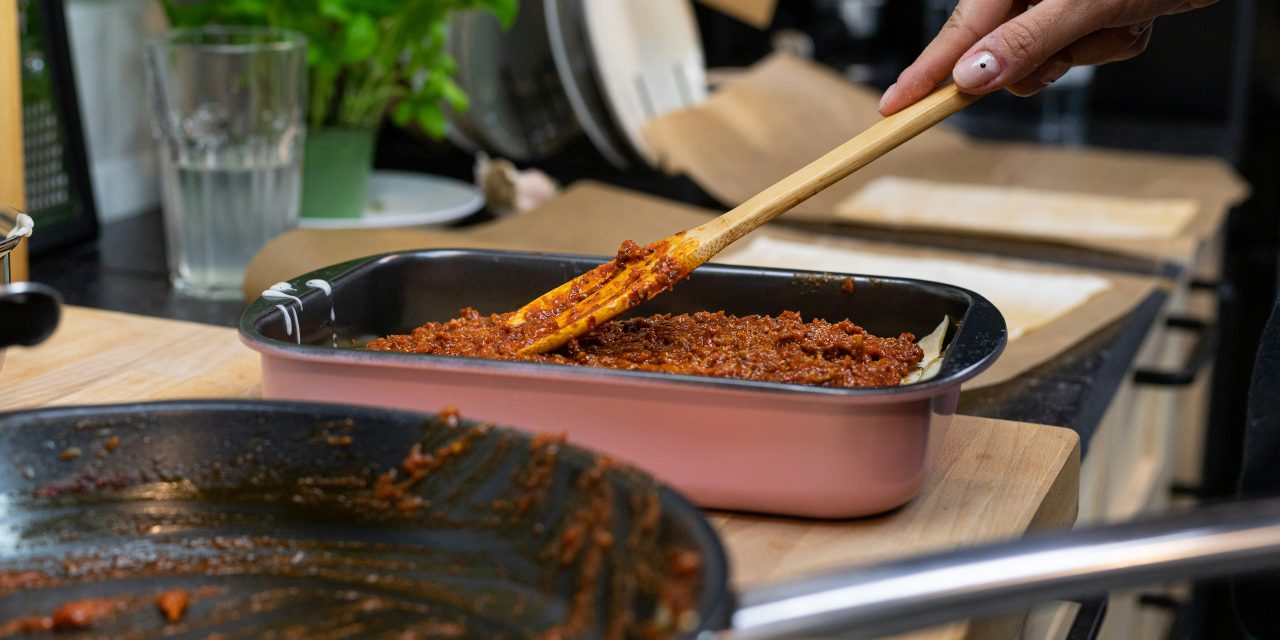
Properly stirring and breaking up ground beef during cooking is vital for achieving an even texture while retaining moisture. Use a wooden spoon or spatula to gently break apart clumps without mashing the meat excessively; this preserves its natural juices and prevents it from becoming dry and crumbly.
When stirring, aim for a gentle motion rather than aggressive mixing; this allows for even cooking while maintaining tenderness. If you notice any excess fat accumulating in the pan, consider draining some off but leave enough to keep the meat moist.
Resting Ground Beef After Cooking
Resting cooked ground beef is an often-overlooked step that can greatly enhance juiciness. Allowing the meat to rest for about 5-10 minutes after cooking enables juices to redistribute throughout the meat fibers rather than spilling out when cut or served immediately. This simple technique results in a more succulent final product.
Covering the cooked ground beef loosely with aluminum foil during resting helps retain warmth while preventing it from cooling too quickly. This step ensures that every bite remains flavorful and moist when served.
Tips for Storing and Reheating Without Drying Out
Proper storage and reheating techniques are essential for maintaining moisture in leftover ground beef dishes. Store cooked ground beef in an airtight container in the refrigerator within two hours of cooking to prevent bacterial growth. When reheating, consider using low heat on the stovetop or microwave with a splash of broth or water to create steam; this helps keep the meat moist.
If reheating in an oven, cover the dish with foil to trap steam and prevent drying out during heating. Aim for an internal temperature of 165°F (74°C) when reheating leftovers to ensure food safety while preserving juiciness.
In summary, achieving moist and flavorful ground beef requires careful attention to detail throughout every stage of preparation and cooking. From selecting quality meat with appropriate fat content to employing effective cooking techniques and incorporating moisture-rich ingredients, each step contributes significantly to the final outcome. By following these guidelines and tips, you can elevate your ground beef dishes from ordinary to extraordinary while ensuring they remain juicy and delicious every time you serve them.
FAQs
What is the best fat content for ground beef to prevent dryness?
To prevent dryness when cooking ground beef, it’s recommended to use ground beef with a fat content of at least 15-20%. Ground beef labeled as 80/20 (80% lean meat and 20% fat) is ideal, as the fat helps keep the meat moist during cooking.
How can I enhance the moisture in ground beef while cooking?
To enhance moisture in ground beef, consider adding ingredients such as diced onions, bell peppers, or mushrooms, which release moisture as they cook. Additionally, incorporating a small amount of broth or water can help maintain juiciness.
What cooking methods are best for keeping ground beef moist?
Cooking methods such as sautéing or browning in a skillet over medium heat are effective for keeping ground beef moist. Avoid cooking at high temperatures for extended periods, as this can lead to dryness. Slow cooking or braising can also help retain moisture.
Should I drain the fat after cooking ground beef?
Whether to drain the fat depends on the recipe and personal preference. If you are making a dish where excess fat may make it greasy, such as tacos or spaghetti sauce, draining some fat can be beneficial. However, leaving some fat can enhance flavor and moisture.
How can I tell when ground beef is cooked without drying it out?
The best way to tell if ground beef is cooked without drying it out is to use a meat thermometer. Ground beef should reach an internal temperature of 160°F (71°C). Cooking it to this temperature ensures safety while minimizing the risk of overcooking and drying out the meat.