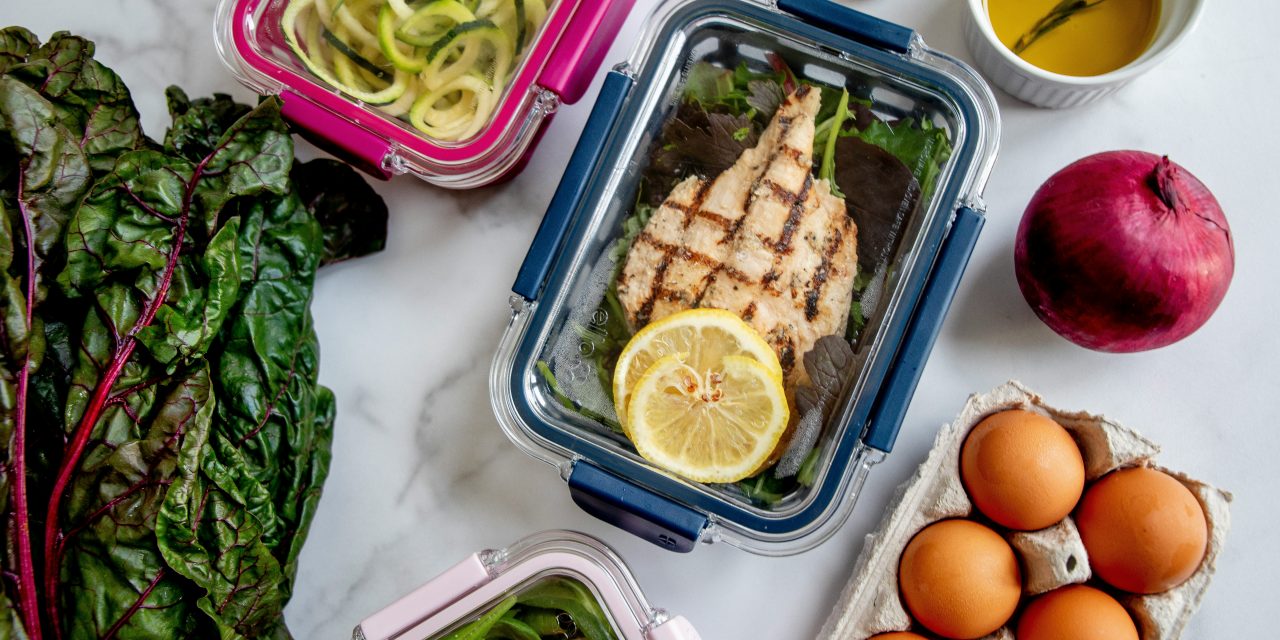
Meal prepping has emerged as a transformative approach to maintaining a healthy diet amidst the hustle and bustle of modern life. This practice involves preparing meals in advance, allowing individuals to make conscious food choices while saving time and reducing stress during the week. By dedicating a few hours each week to meal preparation, one can ensure that nutritious options are readily available, thus promoting better eating habits and overall well-being.
The concept of meal prepping is not merely about cooking in bulk; it encompasses planning, organizing, and executing a strategy that aligns with personal dietary goals. Whether one aims to lose weight, build muscle, or simply eat healthier, meal prepping serves as a practical solution. It empowers individuals to take control of their nutrition, minimize impulsive eating, and foster a deeper connection with the food they consume.
Benefits of Planning Your Meals Ahead
The advantages of meal prepping extend far beyond convenience. One of the most significant benefits is the ability to control portion sizes and caloric intake. By preparing meals in advance, individuals can accurately measure ingredients, ensuring that they adhere to their dietary requirements. This level of control can be particularly beneficial for those managing specific health conditions such as diabetes or hypertension.
Additionally, meal prepping can lead to substantial financial savings. By planning meals around seasonal produce and bulk purchasing staples, individuals can reduce food waste and lower grocery bills. Furthermore, having pre-prepared meals on hand diminishes the temptation to dine out or order takeout, which often comes with hidden calories and unhealthy ingredients. The cumulative effect of these practices can lead to improved health outcomes and enhanced quality of life.
Essential Tools and Containers for Meal Prep

To embark on a successful meal prepping journey, certain tools and containers are indispensable. High-quality kitchen equipment such as sharp knives, cutting boards, and measuring cups facilitate efficient food preparation. Investing in a reliable set of mixing bowls and utensils can streamline the cooking process, making it more enjoyable and less time-consuming.
When it comes to storage, airtight containers are crucial for preserving the freshness of prepared meals. Glass containers are often preferred due to their durability and non-reactive nature, while BPA-free plastic options are lightweight and convenient for on-the-go meals. Additionally, utilizing portion-controlled containers can help maintain appropriate serving sizes, further supporting dietary goals. Labels and markers can also be beneficial for identifying meal contents and preparation dates, ensuring that nothing goes to waste.
Recipe 1: Quinoa and Veggie Power Bowls

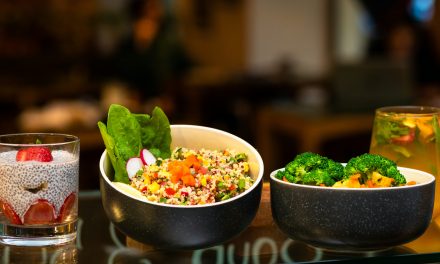
Quinoa and veggie power bowls are a nutritious and versatile meal prep option that can be customized to suit individual tastes. To prepare this dish, begin by rinsing one cup of quinoa under cold water before cooking it in two cups of vegetable broth for added flavor. Once the quinoa is fluffy and cooked through, set it aside to cool.
Next, chop an assortment of colorful vegetables such as bell peppers, zucchini, carrots, and broccoli into bite-sized pieces. Toss them in olive oil, salt, pepper, and your choice of herbs before roasting them in the oven at 400°F (200°C) for approximately 20-25 minutes until tender. Assemble the power bowls by layering quinoa at the base, followed by roasted vegetables, and topping with a protein source such as chickpeas or grilled chicken. Drizzle with tahini or a lemon-tahini dressing for an extra burst of flavor.
Recipe 2: Grilled Chicken and Roasted Vegetables
Grilled chicken paired with roasted vegetables is a classic meal prep staple that is both satisfying and nutritious. Start by marinating boneless, skinless chicken breasts in a mixture of olive oil, lemon juice, garlic, salt, pepper, and your favorite herbs for at least 30 minutes. This step enhances the flavor profile while ensuring the chicken remains moist during cooking.
While the chicken marinates, prepare an array of vegetables such as asparagus, bell peppers, and sweet potatoes by cutting them into uniform pieces. Toss them in olive oil and seasonings before roasting them in the oven at 425°F (220°C) for about 25-30 minutes until they achieve a golden-brown color. Grill the marinated chicken on medium-high heat for approximately 6-7 minutes per side or until fully cooked. Slice the chicken and serve it alongside the roasted vegetables for a balanced meal that can be stored in individual containers for easy access throughout the week.
Recipe 3: Overnight Oats with Fresh Fruits
Overnight oats are an excellent breakfast option that requires minimal preparation while delivering maximum nutrition. To create this dish, combine rolled oats with your choice of milk or yogurt in a jar or container. A typical ratio is one part oats to two parts liquid; for example, half a cup of oats mixed with one cup of almond milk.
Enhance the flavor by adding sweeteners such as honey or maple syrup along with spices like cinnamon or vanilla extract. Before sealing the container, incorporate fresh fruits such as berries, bananas, or diced apples for added fiber and vitamins. Refrigerate overnight to allow the oats to absorb the liquid and soften. In the morning, simply grab your jar and enjoy a wholesome breakfast that is ready to go.
Recipe 4: Turkey and Sweet Potato Skillet
The turkey and sweet potato skillet is a hearty dish that combines lean protein with complex carbohydrates for sustained energy throughout the day. Begin by dicing two medium sweet potatoes into small cubes and sautéing them in a skillet with olive oil over medium heat until they begin to soften.
Next, add ground turkey to the skillet along with diced onions, garlic, and bell peppers. Season with spices such as paprika, cumin, salt, and pepper to enhance flavor. Cook until the turkey is browned and fully cooked through. This dish can be served immediately or portioned into containers for easy reheating during busy weekdays.
Recipe 5: Chickpea and Spinach Curry
Chickpea and spinach curry is a flavorful vegetarian option that is rich in protein and fiber. Start by heating coconut oil in a large pot over medium heat before adding chopped onions and garlic until they become translucent. Stir in curry powder or paste along with diced tomatoes to create a fragrant base.
Add canned chickpeas (drained) and fresh spinach to the pot along with coconut milk for creaminess. Allow the mixture to simmer for about 15-20 minutes until heated through and flavors meld together. Serve this curry over brown rice or quinoa for a complete meal that can be stored in individual portions for later enjoyment.
Recipe 6: Salmon with Brown Rice and Asparagus
Salmon is an excellent source of omega-3 fatty acids and pairs beautifully with brown rice and asparagus for a nutritious meal prep option. Begin by seasoning salmon fillets with lemon juice, dill, salt, and pepper before baking them in the oven at 375°F (190°C) for approximately 15-20 minutes until cooked through.
While the salmon bakes, prepare brown rice according to package instructions. Steam asparagus until tender-crisp before combining it with the cooked rice. Portion out servings of salmon alongside brown rice and asparagus in airtight containers for a balanced meal rich in essential nutrients.
Tips for Storing and Reheating Your Meals
Proper storage techniques are vital for maintaining the quality of meal-prepped dishes. Allow cooked meals to cool completely before transferring them into airtight containers to prevent condensation buildup that can lead to spoilage. Label each container with the date prepared to ensure freshness.
When reheating meals, consider using methods that preserve texture and flavor. Microwaving is convenient but may result in uneven heating; thus, stirring halfway through can help achieve consistent warmth. Alternatively, reheating on the stovetop or in an oven can enhance flavors while maintaining food integrity.
How to Customize Meal Prep for Your Dietary Needs
Customization is key when it comes to meal prepping; individuals should tailor their meals according to specific dietary requirements or preferences. For those following vegetarian or vegan diets, plant-based proteins such as lentils or tofu can replace animal proteins in recipes without sacrificing nutritional value.
Individuals with gluten sensitivities may opt for gluten-free grains like quinoa or brown rice instead of traditional pasta or bread products. Additionally, those managing caloric intake can adjust portion sizes or incorporate more vegetables into their meals for added volume without excessive calories.
In conclusion, meal prepping offers an effective strategy for achieving healthy eating habits while accommodating busy lifestyles. By planning meals ahead of time, individuals can enjoy numerous benefits including better portion control, financial savings, and enhanced nutritional intake. With essential tools at hand and a variety of delicious recipes available, anyone can embark on their meal prepping journey tailored to their unique dietary needs.
### FAQ Section
1. **What is meal prepping?**
Meal prepping involves preparing meals in advance to save time during busy weeks while promoting healthier eating habits.
2. **How long do meal-prepped meals last?**
Generally, most cooked meals can be stored in the refrigerator for up to four days; however, freezing can extend shelf life up to three months.
3. **Can I freeze my meal-prepped dishes?**
Yes! Many meals freeze well; just ensure they are stored in airtight containers to prevent freezer burn.
4. **What are some easy meal prep ideas?**
Simple ideas include salads in jars, grain bowls with various toppings, or soups that can be made in bulk.
5. **How do I prevent food waste when meal prepping?**
Plan meals around ingredients you already have on hand; utilize leftovers creatively in new dishes.
6. **Is meal prepping suitable for families?**
Absolutely! Meal prepping can simplify family dinners by ensuring everyone has nutritious options available throughout the week.
7. **How do I keep my meals from getting boring?**
Rotate recipes weekly; experiment with different spices or sauces to keep flavors exciting.
8. **What if I have dietary restrictions?**
Customize recipes by substituting ingredients based on your dietary needs; there are plenty of alternatives available today.
9. **How do I ensure my meals are balanced?**
Aim for a combination of protein sources, whole grains, healthy fats, and plenty of vegetables in each meal.
10. **Can I meal prep snacks?**
Yes! Portion out healthy snacks like nuts, fruits, or yogurt into grab-and-go containers for convenience.
In summary, meal prepping is an invaluable practice that promotes healthy eating while accommodating busy lifestyles through strategic planning and preparation of nutritious meals tailored to individual dietary needs.
FAQs
What is meal prep?
Meal prep refers to the process of planning and preparing meals in advance, typically for the week ahead. This can involve cooking large batches of food, portioning them into containers, and storing them in the refrigerator or freezer for easy access during busy days.
What are the benefits of meal prepping?
Meal prepping offers several benefits, including saving time during the week, reducing food waste, promoting healthier eating habits, and helping to manage portion sizes. It can also save money by allowing you to buy ingredients in bulk and avoid last-minute takeout.
How do I start meal prepping?
To start meal prepping, begin by planning your meals for the week. Choose recipes that are easy to prepare and store well. Create a shopping list based on your meal plan, cook the meals in batches, and portion them into containers for easy access throughout the week.
What types of meals are best for meal prep?
Meals that are high in protein, fiber, and healthy fats tend to work well for meal prep. Examples include grain bowls, stir-fries, soups, stews, and casseroles. Foods that can be easily reheated and maintain their flavor and texture, such as roasted vegetables and grilled chicken, are also great options.
How long can meal-prepped food last in the fridge?
Generally, meal-prepped food can last in the refrigerator for about 3 to 5 days. To ensure food safety and quality, it’s important to store meals in airtight containers and keep your refrigerator at the proper temperature. For longer storage, consider freezing meals, which can last for several months.