Fermentation is an ancient biochemical process that has been utilized for thousands of years to preserve food, enhance flavors, and improve nutritional value. This metabolic activity involves the conversion of sugars into acids, gases, or alcohol by microorganisms such as bacteria, yeast, and molds. The significance of fermentation extends beyond mere preservation; it plays a crucial role in enhancing the digestibility of food and increasing its bioavailability of nutrients. Fermented foods are often rich in probiotics, which are beneficial bacteria that contribute to gut health and overall well-being.
The art of fermentation is not only a culinary technique but also a science that has garnered attention in recent years due to its health benefits. The consumption of fermented products has been linked to improved digestion, enhanced immune function, and even mental health benefits. As consumers become more health-conscious, the demand for fermented foods has surged, leading to a renaissance in traditional fermentation practices. This article will explore various fermentation methods, highlighting their unique characteristics, health benefits, and practical applications in home kitchens.
Lacto-Fermentation: The Classic Method for Vegetables
Lacto-fermentation is one of the most widely practiced fermentation techniques, particularly for vegetables. This method relies on lactic acid bacteria (LAB), which naturally occur on the surface of vegetables and in the environment. When vegetables are submerged in a brine solution (saltwater), these bacteria thrive, fermenting the sugars present in the vegetables into lactic acid. This acid not only preserves the vegetables but also imparts a distinctive tangy flavor.
The process of lacto-fermentation is relatively simple and can be done at home with minimal equipment. Common vegetables used for this method include cucumbers, carrots, and radishes. The key to successful lacto-fermentation lies in maintaining the right salt concentration—typically between 2% to 5%—to inhibit spoilage organisms while promoting LAB growth. The fermentation period can vary from a few days to several weeks, depending on the desired flavor profile and ambient temperature.
Kimchi Making: Spicy and Tangy Korean Tradition

Kimchi is a quintessential Korean dish that exemplifies the art of fermentation. Traditionally made with napa cabbage and a variety of seasonings, including garlic, ginger, chili pepper, and fish sauce, kimchi is both spicy and tangy. The fermentation process not only enhances the flavor but also increases the nutritional content of the ingredients. Rich in vitamins A, B, and C, kimchi is also a source of probiotics that promote gut health.
The preparation of kimchi involves several steps: first, the cabbage is salted to draw out moisture and create an environment conducive to fermentation. Next, the seasoning paste is prepared and mixed with other vegetables such as radishes and scallions. The mixture is then packed tightly into jars or containers to minimize air exposure, which can lead to spoilage. Fermentation typically occurs at room temperature for a few days before being transferred to refrigeration to slow down the process. The result is a vibrant dish that can be enjoyed on its own or as an accompaniment to various meals.
Sauerkraut: Simple and Tangy Cabbage Fermentation

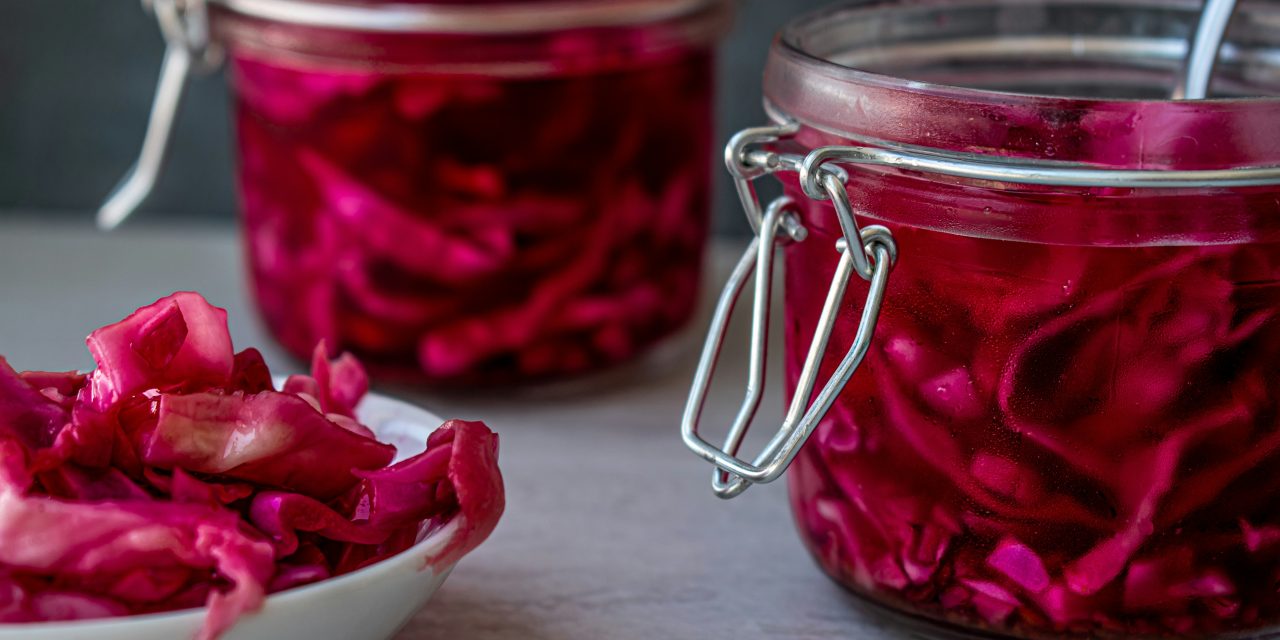
Sauerkraut is another classic example of lacto-fermentation that showcases the versatility of cabbage. Originating from Germany, sauerkraut is made by finely shredding cabbage and mixing it with salt. The salt draws out moisture from the cabbage, creating a brine that facilitates fermentation by lactic acid bacteria. This process results in a tangy flavor profile and a crunchy texture that many find appealing.
The simplicity of sauerkraut preparation makes it an excellent choice for novice fermenters. The basic ratio is approximately 2% salt by weight of the cabbage. After mixing the shredded cabbage with salt, it is essential to pack it tightly into a fermentation vessel to ensure that it remains submerged in its brine. Fermentation can take anywhere from one to four weeks, depending on temperature and personal taste preferences. Sauerkraut not only serves as a delicious condiment but also offers numerous health benefits, including improved digestion and enhanced immune function.
Yogurt Culturing: Creamy and Probiotic-Rich Dairy
Yogurt is a popular dairy product known for its creamy texture and probiotic content. The fermentation of milk into yogurt involves specific strains of bacteria, primarily Lactobacillus bulgaricus and Streptococcus thermophilus. These bacteria convert lactose (milk sugar) into lactic acid, resulting in thickened milk with a tangy flavor.
Making yogurt at home requires minimal ingredients—just milk and a yogurt starter culture containing live active cultures. The process begins by heating milk to kill any unwanted bacteria before cooling it down to an optimal temperature for fermentation (around 110°F or 43°C). Once cooled, a small amount of yogurt starter is added, and the mixture is incubated for several hours until it reaches the desired thickness and tanginess. Homemade yogurt can be customized with various flavors and sweeteners, making it a versatile addition to meals or snacks.
Sourdough Starter: Crafting Naturally Leavened Bread
Sourdough bread is renowned for its unique flavor and chewy texture, achieved through natural fermentation using wild yeast and lactic acid bacteria present in the environment. A sourdough starter is a mixture of flour and water that captures these microorganisms over time, allowing them to ferment the dough during bread-making.
Creating a sourdough starter requires patience and attention to detail. It typically takes about five to seven days to cultivate a robust starter capable of leavening bread effectively. The process involves regular feedings—adding equal parts flour and water—to encourage microbial growth. Once established, the starter can be used to make various types of bread, providing not only leavening but also complex flavors that commercial yeast cannot replicate.
Kombucha Brewing: Fizzy and Refreshing Fermented Tea
Kombucha is a fermented tea beverage that has gained immense popularity due to its refreshing taste and purported health benefits. The fermentation process involves sweetened tea being inoculated with a symbiotic culture of bacteria and yeast (SCOBY). This culture ferments the sugars in the tea into organic acids, carbon dioxide, and trace amounts of alcohol, resulting in a fizzy drink with a tangy flavor.
Brewing kombucha at home requires careful attention to hygiene and fermentation conditions. The initial fermentation typically lasts about one to two weeks at room temperature, during which the SCOBY consumes sugar and produces carbonation. After this period, flavorings such as fruits or herbs can be added before bottling for secondary fermentation, which enhances carbonation further. Kombucha is celebrated for its probiotic content and potential digestive benefits.
Miso Fermentation: Umami-Packed Japanese Paste
Miso is a traditional Japanese condiment made from fermented soybeans, salt, and koji (a mold used in fermentation). This savory paste is rich in umami flavor and serves as a versatile ingredient in soups, marinades, dressings, and more. The fermentation process can take anywhere from several months to several years, depending on the type of miso being produced.
The production of miso begins with soaking soybeans overnight before cooking them until tender. Once cooled, they are mashed or blended with koji and salt before being placed in fermentation vessels. During fermentation, enzymes break down proteins into amino acids, contributing to miso’s rich flavor profile. Miso not only enhances culinary dishes but also provides nutritional benefits such as protein content and probiotics.
Tempeh Production: Protein-Rich Fermented Soybeans
Tempeh is an Indonesian fermented food made from whole soybeans that have been inoculated with Rhizopus mold. This unique fermentation process binds the soybeans into a firm cake-like structure while imparting a nutty flavor and enhancing digestibility. Tempeh is an excellent source of plant-based protein and contains essential amino acids.
The production of tempeh begins with soaking soybeans overnight before cooking them until soft. After cooling, they are inoculated with tempeh starter culture containing Rhizopus spores and placed in a warm environment for fermentation (typically around 86°F or 30°C) for 24-48 hours. The result is a versatile ingredient that can be sliced, marinated, or crumbled into various dishes.
Fermented Hot Sauce: Adding Heat with Probiotics
Fermented hot sauce has gained popularity among spice enthusiasts due to its complex flavors and probiotic benefits. The fermentation process allows chili peppers to develop depth while preserving their heat levels. Typically made by blending fresh peppers with saltwater brine, this method encourages lactic acid bacteria growth while inhibiting spoilage organisms.
To create fermented hot sauce at home, fresh chili peppers are chopped or blended with salt before being submerged in brine within an airtight container. Fermentation usually lasts from one week to several months depending on desired flavor intensity. After fermentation, the mixture can be blended into a smooth sauce or left chunky for added texture.
Fermented Pickles: Crisp and Tangy Preserves
Fermented pickles are another delightful application of lacto-fermentation that transforms cucumbers into tangy snacks or condiments. The process involves submerging cucumbers in a saltwater brine where lactic acid bacteria thrive while producing lactic acid that preserves the cucumbers.
To make fermented pickles at home, cucumbers are washed thoroughly before being placed in jars with spices such as dill seeds or garlic cloves along with saltwater brine (typically around 5% salt concentration). Fermentation can take anywhere from one week to several weeks depending on ambient temperature preferences for sourness levels desired.
Tips for Successful and Safe Home Fermentation
Embarking on home fermentation can be an exciting culinary adventure filled with creativity and exploration of flavors while reaping numerous health benefits associated with consuming fermented foods rich in probiotics. To ensure successful outcomes while minimizing risks associated with spoilage or contamination during this process:
1. **Maintain Cleanliness**: Always sanitize equipment thoroughly before use.
2. **Use Quality Ingredients**: Fresh produce yields better results; avoid using overly ripe or damaged items.
3. **Monitor Temperature**: Keep fermenting foods at appropriate temperatures conducive for desired microbial activity.
4. **Taste Regularly**: Check flavors periodically throughout fermentation; adjust timing based on personal preferences.
5. **Store Properly**: Once fermented products reach desired flavors/texture store them in cool environments (refrigeration) prolong shelf life.
In summary, fermentation unlocks an array of flavors while enhancing nutritional profiles across various foods—from tangy kimchi to creamy yogurt—each offering unique health benefits through probiotic content that supports gut health among other advantages! By following proper techniques outlined above anyone can successfully create delicious homemade fermented delights!
FAQs
What is fermentation?
Fermentation is a metabolic process that converts sugar to acids, gases, or alcohol using microorganisms such as bacteria, yeast, or fungi. It is commonly used in food production to create products like yogurt, bread, beer, and wine.
What are the different types of fermentation techniques?
There are several types of fermentation techniques, including alcoholic fermentation, lactic acid fermentation, acetic acid fermentation, and malolactic fermentation. Each type involves different microorganisms and is used for various food and beverage products.
What are the benefits of fermentation in food preservation?
Fermentation helps preserve food by creating an acidic environment that inhibits the growth of spoilage-causing microorganisms. Additionally, it enhances the nutritional value of foods, improves digestibility, and can introduce beneficial probiotics.
How does temperature affect fermentation?
Temperature plays a crucial role in fermentation, as it influences the activity of the microorganisms involved. Generally, warmer temperatures accelerate fermentation, while cooler temperatures slow it down. However, each type of fermentation has an optimal temperature range for best results.
Can fermentation be done at home?
Yes, fermentation can be done at home using simple techniques and equipment. Many people engage in home fermentation to create foods like sauerkraut, kimchi, kombucha, and sourdough bread. It is important to follow proper guidelines to ensure safety and quality.