Positive reinforcement is a cornerstone of effective dog training, rooted in behavioral psychology. This method involves rewarding desirable behaviors to increase the likelihood of their recurrence. By providing a positive stimulus immediately following a desired action, trainers can effectively shape a dog’s behavior over time. This approach contrasts sharply with punitive methods, which can lead to fear and anxiety, ultimately damaging the human-animal bond.
The principle of positive reinforcement is grounded in operant conditioning, a theory developed by B.F. Skinner. In this context, behaviors that are followed by favorable outcomes are more likely to be repeated. For instance, when a dog sits on command and receives a treat, the dog learns to associate sitting with positive outcomes. This method not only enhances learning but also fosters a trusting relationship between the dog and its owner, creating a harmonious environment conducive to training.
The Importance of Timing in Rewarding Your Dog
Timing is critical in the realm of positive reinforcement. The reward must be delivered immediately after the desired behavior occurs to create a clear association in the dog’s mind. If there is a delay, the dog may not connect the reward with the action, leading to confusion and ineffective training. For example, if a dog sits and the owner waits several seconds before offering a treat, the dog may not understand what behavior is being rewarded.
To optimize timing, trainers should aim to deliver rewards within one to two seconds of the desired behavior. This immediacy helps solidify the connection between the action and the reward. Additionally, using a consistent cue or command can further enhance this association. Over time, as the dog becomes more proficient at responding to commands, the trainer can gradually reduce the frequency of treats while maintaining verbal praise or other forms of reinforcement.
Using Treats Effectively: Choosing the Right Rewards

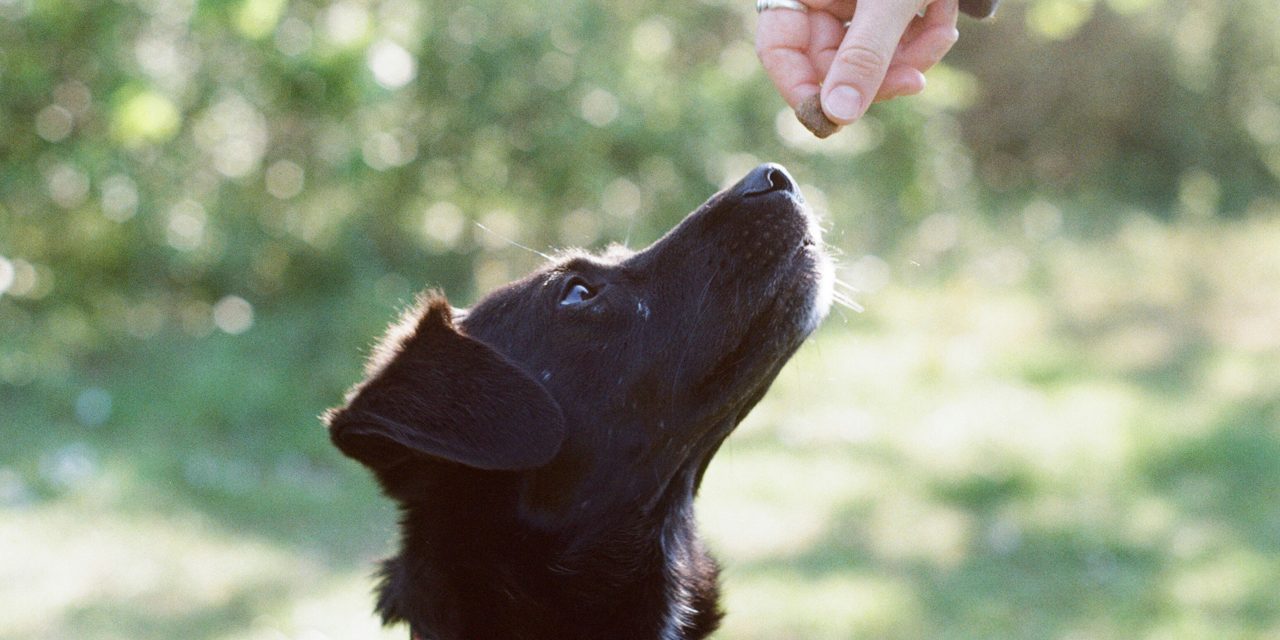
Selecting appropriate treats is essential for effective positive reinforcement. Not all treats are created equal; some may be more motivating for your dog than others. High-value treats, such as small pieces of cooked chicken or cheese, are often more effective than standard kibble, especially during initial training sessions or when teaching complex commands. The key is to choose rewards that your dog finds irresistible.
Moreover, it’s important to consider the size and calorie content of treats. Small, low-calorie treats allow for frequent rewarding without overfeeding your pet. This approach not only keeps your dog motivated but also helps maintain their overall health. Additionally, varying the types of treats can keep training sessions exciting and engaging for your dog, preventing them from becoming bored with repetitive rewards.
Verbal Praise: How Words Can Motivate Your Dog

Verbal praise is an invaluable tool in positive reinforcement training. Dogs are highly attuned to human vocal tones and can discern enthusiasm and approval in our voices. Using phrases like “Good boy!” or “Well done!” in an upbeat tone can significantly enhance your dog’s motivation to perform desired behaviors. This form of reinforcement can be particularly effective when combined with treats or other rewards.
Incorporating verbal praise into training sessions helps build a strong emotional bond between the dog and its owner. It reinforces the idea that good behavior leads to positive interactions and approval from their human companions. Consistency in using specific phrases for particular behaviors can further strengthen this connection, allowing dogs to understand what actions are being rewarded.
Clicker Training: Marking Desired Behaviors Precisely
Clicker training is a popular method that utilizes a small handheld device that makes a distinct clicking sound to mark desired behaviors. This technique provides an immediate auditory signal that indicates to the dog they have performed correctly. The click sound serves as a bridge between the behavior and the reward, allowing for precise communication during training sessions.
To implement clicker training effectively, it is essential to first condition your dog to associate the click sound with a reward. This process involves clicking and immediately providing a treat several times until your dog understands that the click signifies a positive outcome. Once this association is established, trainers can use the clicker to mark specific behaviors during training sessions, enhancing clarity and precision in communication.
Incorporating Play as a Positive Reinforcement Tool
Play can serve as an excellent form of positive reinforcement for many dogs. Engaging in playtime after your dog successfully performs a command can be just as rewarding as treats or verbal praise. Activities such as fetch or tug-of-war can motivate dogs to repeat desired behaviors, especially for those who are highly energetic or playful by nature.
Incorporating play into training sessions not only reinforces good behavior but also makes learning enjoyable for both the dog and the trainer. It’s important to observe your dog’s preferences when selecting play activities; some dogs may prefer interactive games while others may enjoy solo playtime with toys. Tailoring playtime to your dog’s interests can enhance their motivation and engagement during training.
Physical Affection: When and How to Use Touch
Physical affection is another powerful form of positive reinforcement that can strengthen the bond between you and your dog. Gentle petting, belly rubs, or cuddling can convey approval and affection when your dog exhibits desired behaviors. However, it’s crucial to be mindful of your dog’s comfort level with physical touch; some dogs may prefer verbal praise or treats over physical affection.
Timing is also essential when using physical affection as reinforcement. Offering touch immediately after your dog performs a desired action can help them associate that behavior with positive feelings. Additionally, observing your dog’s body language can provide insights into their preferences for physical affection; some dogs may thrive on close contact while others may prefer more space.
Consistency and Patience: Keys to Successful Training
Consistency is paramount in positive reinforcement training. Establishing clear rules and expectations helps dogs understand what behaviors are acceptable and which are not. Using the same commands and cues consistently reinforces learning and minimizes confusion during training sessions. Additionally, maintaining a consistent schedule for training can help dogs anticipate when they will engage in learning activities.
Patience is equally important; dogs learn at their own pace, and some may require more time than others to grasp new commands or behaviors. Trainers should remain calm and supportive throughout the process, celebrating small victories along the way. Recognizing that setbacks are part of the learning journey can help maintain motivation for both the trainer and the dog.
Avoiding Common Mistakes in Positive Reinforcement
While positive reinforcement is an effective training method, several common pitfalls can hinder progress. One frequent mistake is rewarding unwanted behaviors inadvertently; for example, giving attention or treats when a dog jumps up can reinforce that behavior rather than discourage it. It’s crucial to ensure that rewards are only given for desired actions.
Another common error is inconsistency in rewarding behaviors. If a dog receives treats for sitting one day but not the next, they may become confused about what is expected of them. Establishing clear guidelines and sticking to them will help prevent misunderstandings during training sessions.
Tailoring Reinforcement Methods to Your Dog’s Personality
Every dog has a unique personality that influences their response to various forms of reinforcement. Some dogs may be highly motivated by food rewards, while others may respond better to play or verbal praise. Understanding your dog’s individual preferences is essential for tailoring reinforcement methods effectively.
Observing your dog’s reactions during training sessions can provide valuable insights into their motivations. For instance, if your dog seems more engaged during playtime than when receiving treats, incorporating more interactive activities into training may yield better results. Customizing reinforcement strategies based on personality traits will enhance overall effectiveness and foster a more enjoyable learning experience.
Tracking Progress and Adjusting Techniques for Long-Term Success
Monitoring progress during training is vital for ensuring long-term success with positive reinforcement methods. Keeping detailed records of your dog’s achievements can help identify patterns in learning and areas that may require additional focus or adjustment. Regularly assessing progress allows trainers to modify techniques as needed to maintain engagement and motivation.
Additionally, being flexible in adjusting techniques based on your dog’s evolving needs is crucial for sustained success. As dogs become more proficient at certain commands or behaviors, trainers may need to introduce new challenges or gradually reduce rewards to encourage independence and confidence in their abilities.
In summary, positive reinforcement is an effective method for training dogs that fosters trust and strengthens bonds between pets and their owners. By understanding key principles such as timing, choosing appropriate rewards, utilizing verbal praise, clicker training, incorporating play, using physical affection wisely, maintaining consistency and patience, avoiding common mistakes, tailoring methods to individual personalities, and tracking progress diligently, trainers can create an enriching environment conducive to successful learning experiences for their canine companions.
FAQs
What is positive reinforcement in dog training?
Positive reinforcement is a training method that involves rewarding a dog for desired behaviors, which encourages them to repeat those behaviors in the future. Rewards can include treats, praise, toys, or playtime, and the goal is to create a positive association with the behavior being reinforced.
How does positive reinforcement differ from punishment-based training?
Positive reinforcement focuses on encouraging good behavior through rewards, while punishment-based training aims to discourage unwanted behavior through negative consequences. Positive reinforcement is generally considered more effective and humane, as it builds trust and strengthens the bond between the dog and the owner.
What types of rewards can be used in positive reinforcement training?
Rewards in positive reinforcement training can include food treats, verbal praise, petting, toys, or playtime. The key is to use rewards that are motivating for the individual dog, as different dogs may respond better to different types of reinforcement.
Can positive reinforcement be used for all dog breeds and ages?
Yes, positive reinforcement can be effectively used with all dog breeds and ages. Puppies, adult dogs, and even senior dogs can benefit from this training method, as it promotes learning in a stress-free environment and helps to build a strong, positive relationship between the dog and its owner.
How can I implement positive reinforcement in my dog’s training routine?
To implement positive reinforcement, start by identifying the behaviors you want to encourage. When your dog performs the desired behavior, immediately reward them with a treat, praise, or play. Consistency is key, so ensure you reward the behavior every time it occurs initially, and gradually reduce the frequency as the behavior becomes more established.