Exercise is a fundamental component of a dog’s overall health and well-being. Just as humans require physical activity to maintain optimal health, dogs also benefit significantly from regular exercise. Engaging in physical activities not only helps to manage a dog’s weight but also plays a crucial role in preventing various health issues such as obesity, cardiovascular diseases, and behavioral problems. Regular exercise can enhance a dog’s mood, reduce anxiety, and improve their overall quality of life.
Moreover, exercise is essential for maintaining a dog’s mental health. Dogs are intelligent creatures that thrive on stimulation and engagement. A lack of physical activity can lead to boredom, which may manifest in destructive behaviors or excessive barking. By incorporating a variety of exercises into your dog’s routine, you can ensure they remain physically fit and mentally sharp. This article will explore various activities that can help keep your dog healthy, happy, and engaged.
Daily Walks: The Classic and Essential Activity
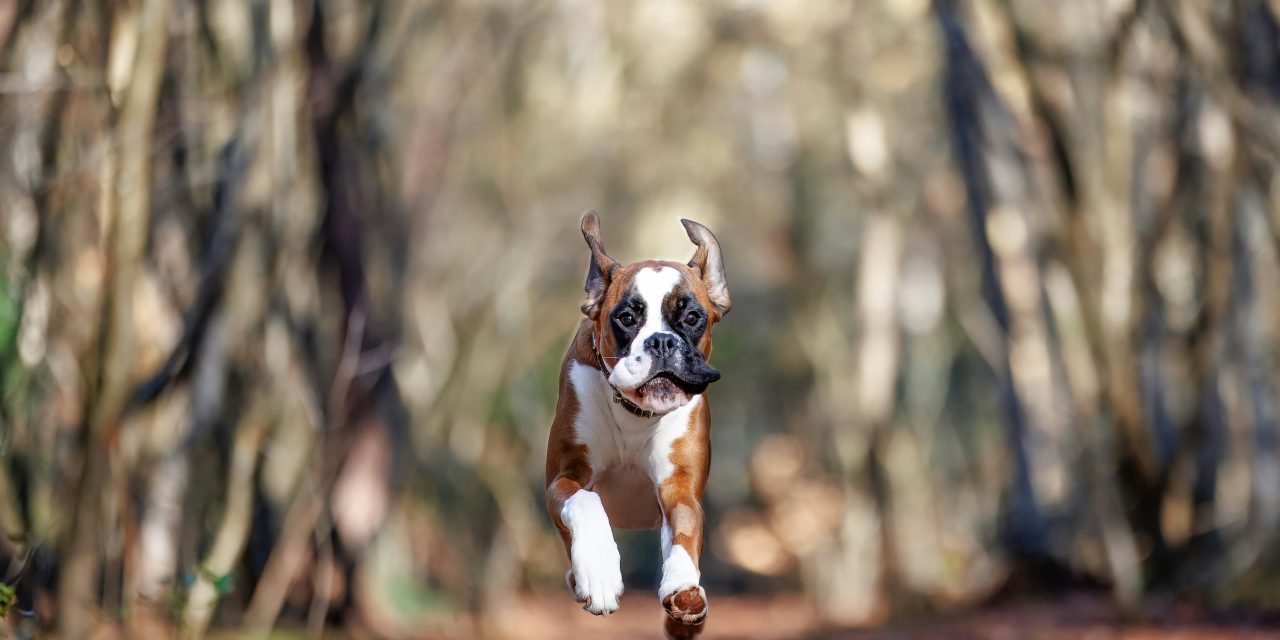
Daily walks are perhaps the most traditional yet vital form of exercise for dogs. Walking not only provides physical benefits but also serves as an opportunity for socialization and exploration. A typical walk allows dogs to engage their senses, encounter new smells, and interact with other dogs and people. This exposure is crucial for developing a well-rounded temperament and reducing anxiety in social situations.
The duration and intensity of walks can vary based on the dog’s breed, age, and health status. For instance, high-energy breeds such as Border Collies or Labrador Retrievers may require longer walks or more vigorous activities to expend their energy effectively. In contrast, older dogs or those with mobility issues may benefit from shorter, more leisurely strolls. It is essential to tailor the walking routine to meet your dog’s specific needs while ensuring they receive adequate exercise.
Fetch Games: A Fun Way to Boost Energy

Fetch is an exhilarating game that not only provides physical exercise but also strengthens the bond between dog and owner. This activity taps into a dog’s natural instinct to chase and retrieve, making it an enjoyable way to burn off excess energy. Playing fetch can be done in various environments, from backyards to parks, allowing for flexibility in your exercise routine.
To maximize the benefits of fetch, consider incorporating different variations of the game. For example, using different types of balls or toys can keep your dog engaged and excited. Additionally, varying the distance and terrain can challenge your dog physically and mentally. Regularly engaging in fetch games can improve your dog’s cardiovascular fitness, muscle tone, and overall agility while providing an outlet for their natural instincts.
Agility Training: Challenge Your Dog’s Mind and Body

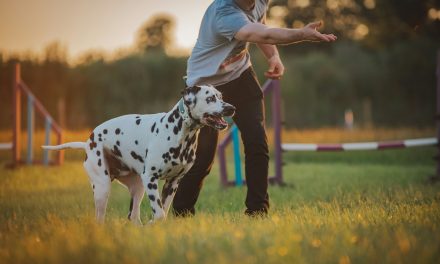
Agility training is an excellent way to combine physical exercise with mental stimulation. This sport involves navigating through an obstacle course that includes jumps, tunnels, weave poles, and other challenges. Agility training not only enhances a dog’s physical capabilities but also fosters teamwork between the dog and handler, improving communication skills.
Participating in agility training can significantly improve a dog’s coordination, balance, and flexibility. It also encourages problem-solving skills as dogs learn to navigate obstacles efficiently. Many communities offer agility classes or clubs where owners can train their dogs in a structured environment. Engaging in agility training can lead to increased confidence in dogs while providing an enjoyable outlet for their energy.
Tug-of-War: Strengthen Bonds and Build Muscle
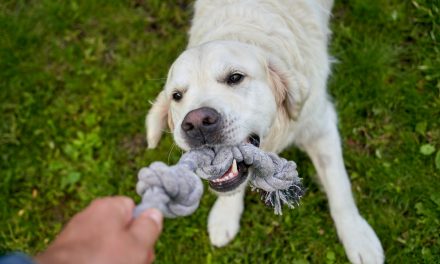
Tug-of-war is a classic game that serves multiple purposes: it provides physical exercise, strengthens the bond between dog and owner, and helps build muscle strength. This interactive game allows dogs to engage their natural instincts while promoting healthy play behavior. It is essential to establish rules during tug-of-war to ensure that the game remains safe and enjoyable for both parties.
When playing tug-of-war, choose appropriate toys that are durable and safe for your dog’s teeth. The game can be tailored to suit different energy levels; for instance, you can engage in a more vigorous session with high-energy dogs or opt for gentler play with older or less active pets. Tug-of-war not only helps improve muscle tone but also reinforces commands such as “drop it” or “leave it,” enhancing obedience training.
Swimming: A Low-Impact Workout for All Breeds
Swimming is an excellent low-impact exercise that benefits dogs of all breeds and ages. This activity provides a full-body workout while minimizing stress on joints and muscles, making it particularly beneficial for older dogs or those recovering from injuries. Swimming engages various muscle groups, promoting cardiovascular fitness while allowing dogs to cool off during hot weather.
Before introducing your dog to swimming, it is essential to ensure they are comfortable with water. Some breeds are natural swimmers, while others may require gradual acclimatization. Always supervise your dog during swimming sessions and consider using a canine life jacket for added safety. Swimming not only enhances physical fitness but also provides mental stimulation as dogs explore their aquatic environment.
Hide and Seek: Stimulate Your Dog’s Senses
Hide and seek is an engaging game that stimulates a dog’s senses while providing both mental and physical exercise. This activity encourages dogs to use their sense of smell and problem-solving skills as they search for their owner or hidden treats. It can be played indoors or outdoors, making it a versatile option for various environments.
To play hide and seek, start by having your dog stay in one location while you hide somewhere nearby. Once you are hidden, call your dog to come find you. As they become more adept at the game, you can increase the difficulty by hiding in more challenging spots or incorporating treats into the search. This game not only provides exercise but also strengthens the bond between you and your dog through interactive play.
Interactive Puzzle Toys: Mental and Physical Exercise Combined
Interactive puzzle toys are an innovative way to combine mental stimulation with physical activity for dogs. These toys challenge dogs to solve problems in order to access treats or rewards hidden within them. Engaging with puzzle toys can help alleviate boredom while promoting cognitive development.
When selecting puzzle toys, consider your dog’s skill level and preferences. Some toys require simple manipulation, while others may involve more complex problem-solving skills. Regularly rotating puzzle toys can keep your dog engaged and prevent them from losing interest over time. Incorporating these toys into your dog’s routine can enhance their mental acuity while providing an outlet for their energy.
Hiking Adventures: Explore Nature Together
Hiking is an adventurous way to provide exercise while exploring the great outdoors with your dog. This activity allows dogs to experience new sights, sounds, and smells while engaging in physical exertion over varied terrain. Hiking can be tailored to suit different fitness levels; whether it’s a leisurely stroll on flat trails or a challenging climb up steep hills, there are options for every dog.
Before embarking on a hiking adventure, ensure that your dog is physically prepared for the journey. Bring plenty of water for both you and your dog, as hydration is crucial during outdoor activities. Additionally, consider using a leash or harness for safety in unfamiliar areas or around wildlife. Hiking not only promotes physical fitness but also strengthens the bond between you and your dog through shared experiences in nature.
Doggy Playdates: Social Exercise for Social Dogs
Doggy playdates provide an excellent opportunity for socialization while allowing dogs to engage in playful activities with their peers. Interacting with other dogs promotes healthy social behavior and helps reduce anxiety or aggression towards unfamiliar animals. Playdates can take place in backyards, parks, or designated dog parks where dogs can run freely.
When organizing playdates, consider the personalities and energy levels of the dogs involved to ensure compatibility. Supervision is essential during playdates to prevent any potential conflicts or injuries. Engaging in group play not only provides physical exercise but also fosters social skills that are vital for a well-adjusted canine companion.
Obedience Training Sessions: Exercise with Purpose
Obedience training sessions serve as an effective way to combine physical activity with purposeful engagement. Training exercises require focus and discipline from both the dog and owner while promoting mental stimulation through learning new commands or tricks. Regular training sessions can enhance obedience skills while providing an outlet for energy.
Incorporating physical activities into training sessions can make learning more enjoyable for dogs. For example, practicing commands such as “sit,” “stay,” or “come” can be paired with short bursts of running or jumping exercises. This approach keeps training sessions dynamic while reinforcing positive behaviors through rewards such as treats or praise.
Keeping Exercise Fun and Consistent for Lifelong Health
In conclusion, regular exercise is vital for maintaining a dog’s health and well-being throughout their life. By incorporating a variety of activities such as daily walks, fetch games, agility training, swimming, hide-and-seek games, interactive puzzle toys, hiking adventures, playdates, and obedience training sessions into your dog’s routine, you can ensure they remain physically fit and mentally stimulated.
Consistency is key when it comes to exercise; establishing a regular routine will help reinforce healthy habits for both you and your dog. Remember that each dog is unique; tailoring activities to suit their individual needs will enhance their enjoyment and overall health benefits. By prioritizing exercise as an integral part of your dog’s life, you contribute significantly to their happiness and longevity as cherished companions.
In summary, engaging in diverse forms of exercise not only promotes physical fitness but also strengthens the bond between you and your furry friend while enhancing their mental well-being.
FAQs
Why is exercise important for dogs?
Exercise is crucial for dogs as it helps maintain their physical health, prevents obesity, and reduces the risk of various health issues. Regular physical activity also promotes mental stimulation, alleviates behavioral problems, and strengthens the bond between the dog and its owner.
How much exercise does a dog need each day?
The amount of exercise a dog needs varies by breed, age, and health status. Generally, most dogs require at least 30 minutes to 2 hours of exercise daily. Active breeds may need more vigorous activities, while older or less active dogs may require shorter, gentler walks.
What types of exercise are suitable for dogs?
Suitable types of exercise for dogs include walking, running, playing fetch, swimming, and engaging in dog sports like agility or obedience training. Activities should be tailored to the dog’s age, breed, and fitness level to ensure safety and enjoyment.
Can too much exercise be harmful to dogs?
Yes, excessive exercise can lead to injuries, fatigue, and heatstroke, especially in hot weather. It’s essential to monitor your dog’s behavior and energy levels during exercise and provide adequate rest and hydration to prevent overexertion.
How can I tell if my dog is getting enough exercise?
Signs that your dog is getting enough exercise include a healthy weight, good muscle tone, and a calm demeanor at home. Conversely, excessive barking, destructive behavior, or hyperactivity may indicate that your dog needs more physical activity.