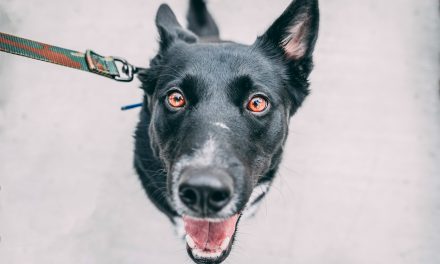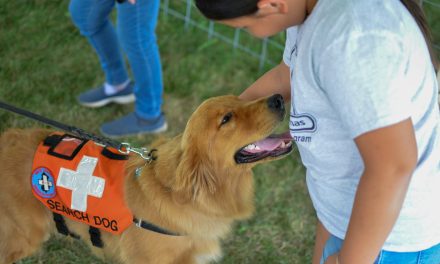
The phenomenon of dogs tilting their heads has captivated pet owners and animal behaviorists alike. This endearing gesture often elicits smiles and affection, but it raises questions about its underlying motivations. When a dog cocks its head to one side, it may be attempting to decipher sounds or visual cues that are not immediately clear. This behavior is particularly common when a dog hears a high-pitched noise, such as a whistle or a squeaky toy. The tilt may enhance their ability to locate the source of the sound, showcasing their acute auditory perception.
Conversely, head tilting can also indicate confusion. Dogs possess a remarkable ability to interpret human emotions and intentions through vocal tones and body language. When faced with unfamiliar commands or situations, a dog may tilt its head as a way of expressing uncertainty. This behavior can be seen as a form of communication, signaling to their human companions that they are seeking clarification. Understanding the context in which this behavior occurs is crucial for pet owners, as it can help foster better communication and strengthen the bond between dog and owner.
Rolling Over: Submission or Invitation to Play?
The act of rolling over is often perceived as a sign of submission in canine behavior. When a dog exposes its belly, it is typically demonstrating trust and vulnerability, signaling to other dogs or humans that it does not pose a threat. This behavior can be traced back to ancestral instincts, where showing one’s belly was a way to avoid confrontation and establish social hierarchy within packs. However, rolling over can also serve as an invitation to play. Many dogs engage in this behavior during playtime, encouraging their companions to join in the fun.
Understanding the nuances of this behavior is essential for dog owners. If a dog rolls over in a relaxed environment, it may be seeking affection or attention from its owner. Conversely, if the action occurs in a tense situation, it could indicate submission or fear. Observing the dog’s body language and the surrounding context can provide valuable insights into their emotional state. By recognizing these signals, owners can respond appropriately, fostering a positive and trusting relationship with their furry companions.
Zoomies: Excess Energy or Pure Joy?

The phenomenon known as “zoomies,” or frenetic random activity periods (FRAPs), is characterized by bursts of energy where dogs dash around in circles, often with unrestrained enthusiasm. This behavior is typically observed in younger dogs but can occur in canines of all ages. Zoomies are often associated with sheer joy and excitement, particularly after a bath, during playtime, or following a period of confinement. The sudden release of pent-up energy can be both amusing and perplexing for pet owners.
While zoomies are generally harmless and indicative of a happy dog, they can also serve as an outlet for excess energy that may result from insufficient exercise or mental stimulation. To mitigate excessive zoomies, owners should ensure their dogs receive regular physical activity tailored to their breed and age. Engaging in interactive play sessions, providing puzzle toys, and incorporating training exercises can help channel energy constructively. By addressing the underlying causes of zoomies, owners can promote a balanced lifestyle for their pets.
Licking Your Face: Affection or Taste Testing?

When dogs lick their owners’ faces, it can evoke feelings of affection and bonding. This behavior is rooted in canine social dynamics; puppies lick their mothers as a means of soliciting care and nourishment. As dogs mature, they often extend this licking behavior to their human companions as a form of greeting or expression of love. The act of licking releases endorphins in dogs, creating feelings of comfort and happiness.
However, licking can also be interpreted as taste testing. Dogs possess an acute sense of smell and taste, which drives their curiosity about their environment and the people within it. When they lick their owner’s face, they may be exploring flavors or scents that intrigue them. While this behavior is generally harmless, excessive licking can sometimes indicate anxiety or stress. Owners should monitor their dog’s licking habits and provide alternative forms of affection or stimulation if necessary.
Tail Chasing: Boredom or Obsessive Behavior?
Tail chasing is a behavior that many dog owners find amusing; however, it can also raise concerns about underlying issues. For some dogs, chasing their tails is simply a playful activity that provides entertainment and exercise. This behavior is often seen in younger dogs who are still learning about their bodies and surroundings. It can serve as an outlet for excess energy or boredom when adequate stimulation is lacking.
On the other hand, persistent tail chasing may indicate obsessive-compulsive disorder (OCD) or anxiety-related behaviors in dogs. If a dog engages in tail chasing excessively or appears distressed during the activity, it is essential for owners to consult with a veterinarian or animal behaviorist. Treatment options may include behavioral modification techniques, increased physical activity, and environmental enrichment to alleviate boredom and anxiety.
Sniffing Other Dogs’ Behinds: Social Greetings Explained
One of the most peculiar behaviors exhibited by dogs is their tendency to sniff each other’s behinds during social interactions. This behavior serves as a form of greeting and communication among canines. Dogs possess an extraordinary sense of smell, which allows them to gather information about other dogs through scent glands located near the anus. By sniffing another dog’s behind, they can learn about the other dog’s identity, reproductive status, and even emotional state.
While this behavior may seem unrefined to humans, it plays a crucial role in canine socialization. Understanding this natural instinct can help owners navigate dog parks and social settings more effectively. Encouraging positive interactions between dogs while respecting their social cues fosters healthy relationships among canine companions.
Pawing at You: Attention-Seeking or Communication?
When dogs paw at their owners, it can be interpreted in various ways depending on the context. This behavior often signifies attention-seeking; dogs may paw at their humans when they desire affection, playtime, or even food. The act of pawing can be seen as an attempt to communicate needs or desires effectively.
However, pawing can also serve as a form of communication that conveys different emotions. For instance, if a dog paws at its owner while displaying signs of anxiety or distress, it may be seeking reassurance or comfort. Understanding the nuances behind this behavior requires careful observation of the dog’s body language and vocalizations. By responding appropriately to their dog’s needs—whether through playtime or comfort—owners can strengthen their bond and enhance communication.
Sleeping in Weird Positions: Comfort or Health Indicator?
Dogs are known for their quirky sleeping positions that often leave owners amused and puzzled. From sprawled-out positions to curled-up shapes resembling pretzels, these sleeping habits can indicate comfort and relaxation in dogs. A dog that sleeps soundly in various positions typically feels secure in its environment and trusts its owner.
However, unusual sleeping positions may also serve as indicators of underlying health issues. For example, if a dog consistently sleeps in an awkward posture or appears restless during sleep, it could signal discomfort or pain related to musculoskeletal problems or other medical conditions. Owners should monitor their dog’s sleeping habits closely and consult with a veterinarian if they notice significant changes in behavior or posture during rest.
Growling While Playing: Warning or Play Signal?
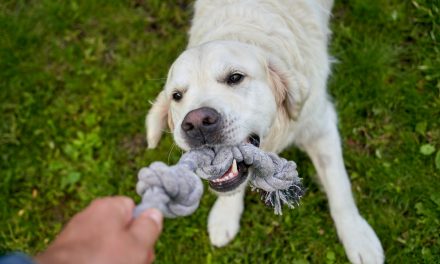
Growling during playtime is often misinterpreted by pet owners as an aggressive signal; however, it frequently serves as a playful communication tool among dogs. Many dogs growl while engaging in roughhousing with other dogs or humans as a way to express excitement and enjoyment rather than aggression. This vocalization adds an element of fun to playtime and helps establish boundaries during interactions.
To differentiate between playful growling and aggressive growling, owners should pay attention to the overall body language of the dog involved in play. Signs such as wagging tails, relaxed postures, and playful barks typically indicate that the growling is part of an enjoyable experience rather than a warning sign. Understanding these vocalizations allows owners to engage more effectively with their pets during playtime while ensuring safety for all involved.
Eating Grass: Dietary Need or Upset Stomach?
The act of eating grass is commonly observed among dogs; however, its motivations remain somewhat ambiguous among pet owners and veterinarians alike. Some dogs consume grass out of dietary necessity—seeking fiber to aid digestion—while others may do so when experiencing gastrointestinal discomfort or nausea. Interestingly, studies suggest that approximately 68% of dogs exhibit grass-eating behavior at some point in their lives.
While occasional grass consumption is generally harmless for most dogs, persistent eating may warrant further investigation by a veterinarian. If accompanied by symptoms such as vomiting or lethargy, it could indicate underlying health issues requiring attention. Owners should monitor their dog’s grass-eating habits closely and consult with veterinary professionals if concerns arise regarding dietary needs or gastrointestinal health.
Staring Intently: Bonding or Warning Sign?
When dogs stare intently at their owners or other animals, it can evoke various interpretations depending on the context surrounding the gaze. In many cases, prolonged eye contact signifies bonding and affection between dogs and humans; it fosters emotional connections that enhance trust within relationships. Dogs often seek eye contact with their owners during training sessions or moments of affection as a way to strengthen their bond.
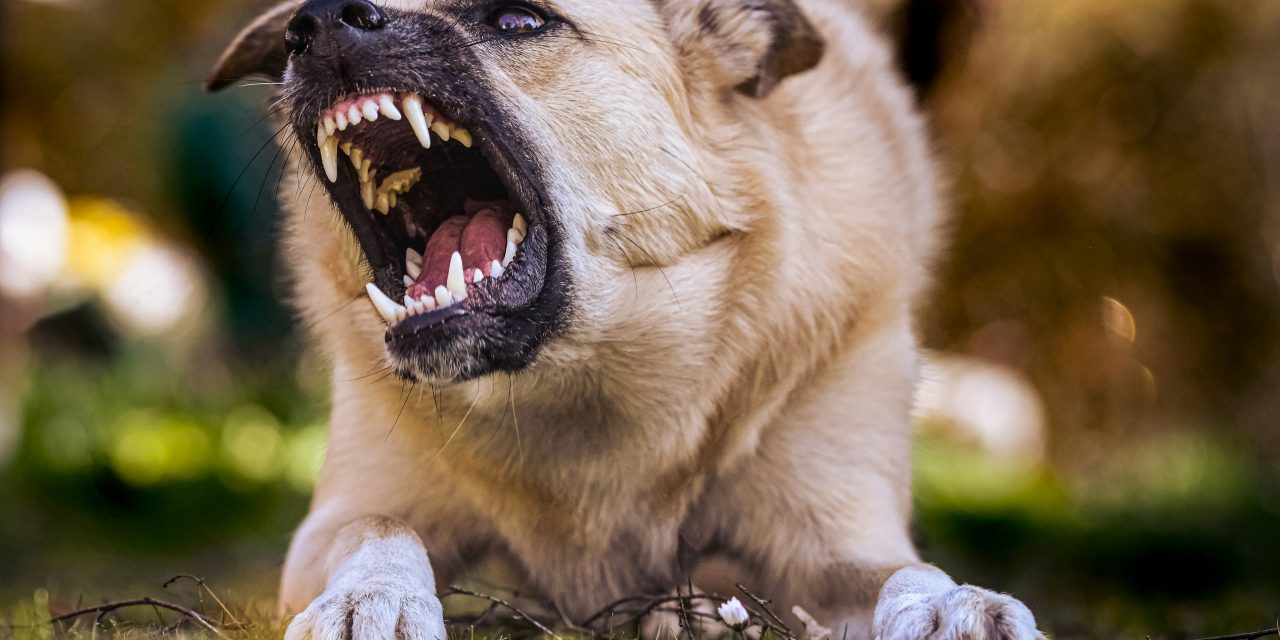
Conversely, intense staring may also serve as a warning sign indicating discomfort or aggression in certain situations—especially when directed toward unfamiliar individuals or animals. Understanding the context behind this behavior is crucial for pet owners; recognizing when staring signifies affection versus potential aggression allows for appropriate responses that ensure safety for both pets and humans alike.
In summary, understanding canine behaviors requires careful observation and interpretation of context-specific cues that reflect emotions ranging from curiosity to anxiety. By recognizing these signals—such as head tilting indicating confusion versus curiosity—owners can foster stronger bonds with their pets while addressing any underlying issues that may arise from behavioral patterns observed over time. Through proactive engagement strategies tailored toward individual needs—such as increased exercise opportunities for energetic pups—owners can promote healthier lifestyles while enhancing overall well-being for their beloved companions.
FAQs
What are common signs of stress in dogs?
Common signs of stress in dogs include excessive barking, panting, pacing, drooling, and destructive behavior. They may also exhibit changes in body language, such as tucking their tail, flattening their ears, or avoiding eye contact.
Why do dogs wag their tails?
Dogs wag their tails as a form of communication. The speed and direction of the wag can indicate different emotions; for example, a fast wagging tail often signifies excitement or happiness, while a slow wag may indicate uncertainty or caution.
What does it mean when a dog growls?
A growl can indicate a variety of emotions in dogs, including fear, aggression, or playfulness. It is important to assess the context in which the growl occurs to understand its meaning. A growl can serve as a warning to back off or as an invitation to engage in play.
How can I tell if my dog is happy?
Signs of a happy dog include a relaxed body posture, wagging tail, playful behavior, and a willingness to engage with people and other animals. Additionally, a happy dog may exhibit a “play bow,” where they lower their front legs while keeping their rear end up.
What should I do if my dog is exhibiting aggressive behavior?
If your dog is exhibiting aggressive behavior, it is important to remain calm and avoid confrontation. Assess the situation to identify triggers and remove your dog from the environment if necessary. Consulting a professional dog trainer or behaviorist can provide guidance on managing and modifying aggressive behavior.