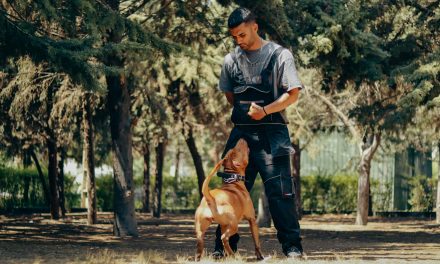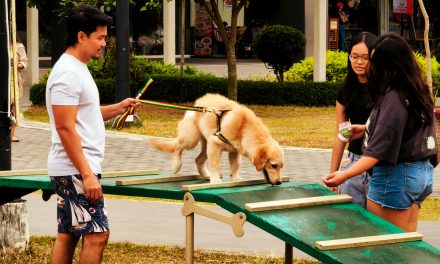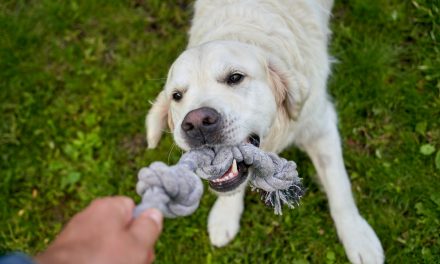
Leash training is a fundamental aspect of responsible dog ownership that significantly enhances the bond between a pet and its owner. It serves multiple purposes, including ensuring the safety of both the dog and the handler, promoting good behavior in public spaces, and facilitating enjoyable outdoor experiences. A well-trained dog on a leash is less likely to engage in undesirable behaviors such as pulling, lunging, or barking at other animals or people. This training not only fosters a sense of security but also instills confidence in the dog, allowing it to navigate various environments with ease.
Moreover, leash training is crucial for socialization. Dogs that are accustomed to walking calmly beside their owners are more likely to interact positively with other dogs and people. This interaction is vital for their emotional and psychological well-being. A well-leashed dog can participate in community activities, visit parks, and enjoy outings without causing distress to themselves or others. Thus, investing time in leash training is an essential step toward nurturing a well-adjusted canine companion.
Choosing the Right Leash and Collar
Selecting the appropriate leash and collar is paramount for effective leash training. The market offers a variety of options, each designed for specific needs and preferences. Standard flat collars are suitable for everyday use, while harnesses can provide better control for dogs that tend to pull. A front-clip harness can be particularly beneficial as it discourages pulling by redirecting the dog’s attention toward the owner. For smaller breeds or those with delicate necks, a martingale collar can prevent choking while ensuring a secure fit.
When it comes to leashes, length and material matter significantly. A standard six-foot leash is ideal for most training scenarios, providing enough freedom for the dog while maintaining control. Retractable leashes may seem appealing due to their flexibility; however, they can lead to inconsistent training and potential safety hazards. Opting for a sturdy leash made from durable materials such as nylon or leather ensures longevity and reliability during walks.
Starting with Basic Commands

Before embarking on leash training, it is essential to establish a foundation of basic commands. Teaching commands such as “sit,” “stay,” and “come” creates a framework for effective communication between the owner and the dog. These commands not only facilitate leash training but also enhance overall obedience. Starting with simple commands allows the dog to understand expectations and builds confidence in following instructions.
Incorporating these commands into leash training sessions can significantly improve outcomes. For instance, practicing “sit” before crossing streets reinforces the importance of calm behavior during walks. Gradually introducing these commands while on a leash helps the dog associate walking with positive reinforcement and structure. Consistent practice of basic commands lays the groundwork for more advanced training techniques.
Creating a Positive Training Environment

A conducive training environment plays a crucial role in successful leash training. Selecting a quiet location free from distractions allows the dog to focus on learning without overwhelming stimuli. This setting should be familiar to the dog, as it promotes comfort and reduces anxiety during training sessions. Gradually introducing new environments can help acclimate the dog to various situations while reinforcing learned behaviors.
Additionally, maintaining a calm demeanor as an owner is vital. Dogs are highly perceptive to their owner’s emotions; thus, projecting confidence and positivity can significantly influence their behavior. Using a soothing tone of voice and encouraging body language fosters an atmosphere of trust and cooperation. Creating a positive environment not only enhances learning but also strengthens the bond between the owner and the dog.
Using Treats and Rewards Effectively
Incorporating treats and rewards into leash training is an effective strategy for reinforcing desired behaviors. Positive reinforcement encourages dogs to repeat behaviors that lead to rewards, making them more likely to comply with commands during walks. Selecting high-value treats that are particularly enticing to the dog can enhance motivation during training sessions.
Timing is crucial when using treats as rewards. Immediate reinforcement following a desired behavior helps the dog make connections between actions and rewards. For example, if the dog walks calmly beside its owner without pulling, offering a treat promptly reinforces that behavior. Gradually phasing out treats as the dog becomes more proficient can help transition to verbal praise or affection as rewards, ensuring long-term compliance without reliance on food.
Teaching Your Dog to Walk Calmly by Your Side
Teaching a dog to walk calmly by its owner’s side requires patience and consistency. The process begins with establishing a loose-leash walking technique, where the leash remains slack rather than taut. This technique encourages the dog to stay close without feeling restricted. Using verbal cues such as “heel” or “let’s go” can signal to the dog when it should walk beside its owner.
Practicing this technique involves frequent stops and turns to redirect the dog’s attention back to the owner when it begins to stray or pull ahead. Rewarding the dog for maintaining position reinforces this behavior over time. Gradually increasing the duration of walks while maintaining focus on loose-leash walking helps solidify this skill, making outings more enjoyable for both parties.
Handling Pulling and Lunging Behaviors
Pulling and lunging are common challenges faced during leash training that require specific strategies for resolution. When a dog pulls on the leash, it is essential to remain calm and avoid yanking or jerking on the leash, as this can create anxiety or exacerbate pulling behavior. Instead, stopping movement when pulling occurs teaches the dog that pulling leads to halted progress.
Redirecting attention through verbal cues or treats can also be effective in managing lunging behaviors. If a dog lunges at another animal or person, using commands such as “leave it” or “focus” can help regain control of the situation. Consistent practice in various environments will gradually desensitize the dog to distractions, leading to improved behavior over time.
Practicing Consistency and Patience
Consistency is key in any training regimen, particularly in leash training. Establishing clear rules and expectations helps dogs understand what is required of them during walks. Using the same commands, cues, and rewards consistently reinforces learning and builds trust between owner and pet.
Patience is equally important throughout this process. Dogs learn at their own pace; thus, expecting immediate results can lead to frustration for both parties involved. Celebrating small victories along the way fosters motivation and encourages continued effort from both owner and dog. Regular practice sessions that incorporate patience and consistency will yield long-term success in leash training.
Gradually Introducing Distractions
As dogs become more proficient in leash training, gradually introducing distractions is essential for reinforcing learned behaviors in real-world scenarios. Start with mild distractions such as other people or dogs at a distance before progressing to more challenging environments like busy parks or streets. This gradual exposure helps dogs learn how to maintain focus despite external stimuli.
During these sessions, it is crucial to remain vigilant and prepared to redirect attention if necessary. Using treats or verbal praise when the dog remains calm amidst distractions reinforces positive behavior. Over time, this practice will enhance the dog’s ability to walk calmly on a leash regardless of surrounding distractions.
Keeping Training Sessions Short and Fun
Maintaining engagement during training sessions is vital for effective learning outcomes. Keeping sessions short—around 5 to 15 minutes—prevents fatigue and boredom while maximizing focus on specific skills being taught. Frequent breaks allow dogs to process information without becoming overwhelmed.
Incorporating play into training sessions can also enhance enjoyment for both owner and pet. Using toys or engaging in brief games between practice intervals keeps energy levels high while reinforcing positive associations with training activities. A fun approach fosters enthusiasm for learning, making future sessions more productive.
Troubleshooting Common Leash Training Challenges
Despite best efforts, challenges may arise during leash training that require troubleshooting strategies. Common issues include fearfulness towards other dogs or people, excessive barking, or difficulty focusing on commands amidst distractions. Identifying triggers that lead to these behaviors is crucial for developing effective solutions.
For fear-based reactions, gradual desensitization through controlled exposure can help alleviate anxiety over time. For excessive barking, redirecting attention using treats or commands can help refocus energy positively. Seeking guidance from professional trainers or behaviorists may also provide tailored strategies for overcoming specific challenges faced during leash training.
In summary, leash training is an essential component of responsible pet ownership that enhances safety, socialization, and overall enjoyment during walks. By selecting appropriate equipment, establishing basic commands, creating positive environments, utilizing rewards effectively, teaching calm walking techniques, addressing pulling behaviors, practicing consistency and patience, gradually introducing distractions, keeping sessions engaging, and troubleshooting challenges as they arise, owners can foster well-behaved canine companions ready for any adventure together.
FAQs
What is the purpose of leash training for dogs?
Leash training is essential for teaching dogs to walk calmly and obediently on a leash. It helps prevent pulling, jumping, and other undesirable behaviors, ensuring a safe and enjoyable experience for both the dog and the owner during walks.
At what age should I start leash training my dog?
Leash training can begin as early as 8 weeks old. Puppies are generally more receptive to learning new behaviors at a young age, but older dogs can also be trained effectively with patience and consistency.
What equipment do I need for effective leash training?
For effective leash training, you will need a well-fitting collar or harness and a sturdy leash. A standard 6-foot leash is recommended for training, as it provides enough control without being too restrictive.
How long should each leash training session last?
Leash training sessions should typically last between 5 to 15 minutes, depending on the dog’s age and attention span. Short, frequent sessions are more effective than long, infrequent ones, as they help maintain the dog’s focus and enthusiasm.
What techniques can I use to train my dog to walk on a leash?
Some effective techniques for leash training include using positive reinforcement, such as treats and praise, to reward desired behaviors. Additionally, practicing “stop and go” methods, where you stop walking when the dog pulls and resume when they are calm, can help teach them to walk beside you.