Dog agility training is an exhilarating sport that combines speed, precision, and teamwork between a handler and their canine companion. Originating in the late 1970s in the United Kingdom, this competitive activity has gained immense popularity worldwide. The essence of agility training lies in navigating a series of obstacles, including jumps, tunnels, weave poles, and seesaws, within a designated course. The primary objective is to complete the course in the shortest time possible while adhering to specific rules and maintaining accuracy.
At its core, agility training fosters a unique bond between dogs and their handlers. It enhances communication skills, builds trust, and encourages physical fitness. Moreover, agility training is not limited to specific breeds; dogs of all shapes and sizes can participate, making it an inclusive sport. Understanding the fundamentals of agility training is crucial for both novice and experienced handlers, as it lays the groundwork for successful participation in competitions or recreational activities.
Choosing the Right Equipment for Your Pup
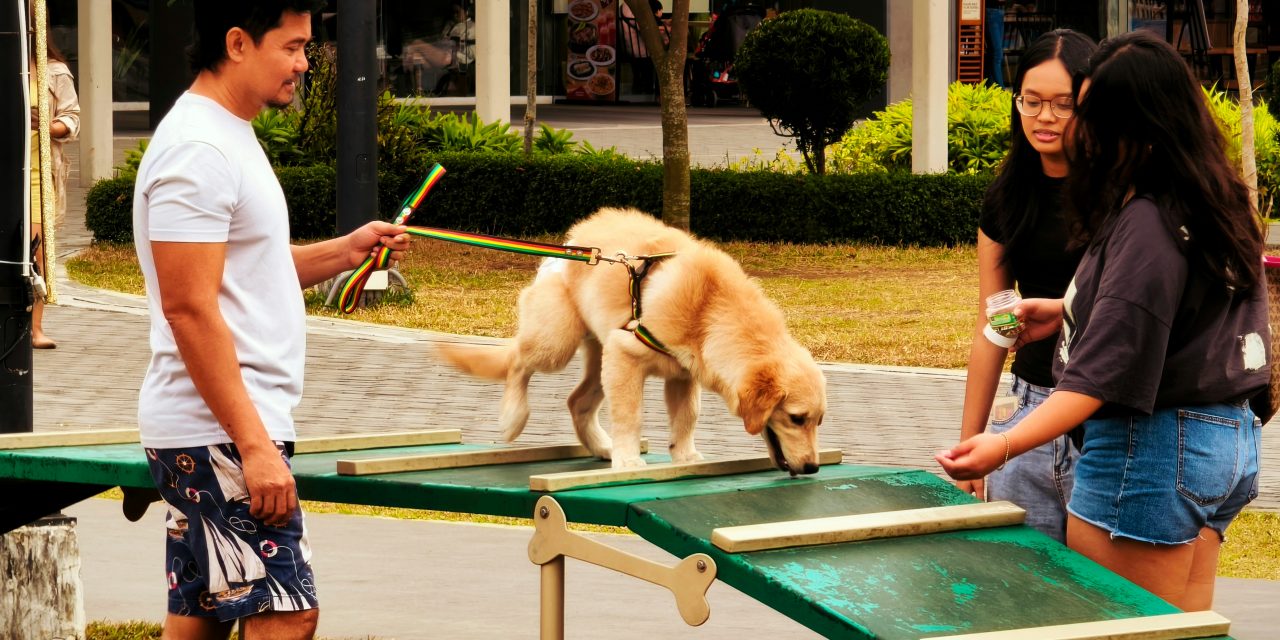
Selecting appropriate equipment is paramount for effective agility training. The market offers a plethora of options, ranging from basic to advanced gear. Essential items include jumps, tunnels, weave poles, and contact obstacles like A-frames and dog walks. When choosing equipment, consider your dog’s size, skill level, and safety. For instance, lightweight jumps are ideal for smaller breeds, while sturdier options are better suited for larger dogs.
Additionally, investing in high-quality materials ensures durability and safety during training sessions. Look for equipment made from weather-resistant materials that can withstand outdoor conditions. Furthermore, consider adjustable features that allow you to modify the height or difficulty level as your dog progresses. Properly sized equipment not only enhances performance but also minimizes the risk of injury, ensuring a safe training environment.
Building a Strong Foundation with Basic Commands

Before delving into agility-specific training, establishing a solid foundation with basic commands is essential. Commands such as “sit,” “stay,” “come,” and “heel” serve as the building blocks for more complex maneuvers. These foundational skills enhance communication between the handler and the dog, facilitating smoother transitions during agility courses.
Incorporating basic commands into daily routines reinforces learning and strengthens the bond between handler and dog. Consistency is key; using the same verbal cues and hand signals helps dogs understand expectations more clearly. Practicing these commands in various environments also prepares them for distractions they may encounter during agility training. A well-trained dog will respond promptly to commands, allowing for effective navigation through obstacles.
Incorporating Positive Reinforcement Techniques

Positive reinforcement is a cornerstone of effective dog training, particularly in agility. This method involves rewarding desired behaviors with treats, praise, or playtime, encouraging dogs to repeat those behaviors. Utilizing positive reinforcement fosters a positive learning environment where dogs feel motivated and eager to participate.
When implementing positive reinforcement in agility training, timing is crucial. Rewards should be given immediately after the desired behavior occurs to reinforce the connection between the action and the reward. Gradually phasing out treats as dogs become more proficient can help maintain motivation without relying solely on food rewards. Additionally, varying rewards—such as toys or verbal praise—can keep training sessions engaging and exciting for your pup.
Gradually Increasing the Complexity of Obstacles
Once your dog has mastered basic commands and initial obstacles, it’s time to introduce more complex challenges. Gradually increasing the difficulty of obstacles helps build confidence and skill without overwhelming your dog. Start by modifying existing equipment or introducing new elements one at a time.
For example, if your dog is comfortable with jumps, consider adjusting their height or spacing them closer together to create a more challenging course. Incorporating different types of obstacles—such as tunnels or weave poles—can also enhance your dog’s agility skills while keeping training sessions fresh and stimulating. Monitoring your dog’s progress closely will help you determine when to introduce new challenges or adjust existing ones.
Maintaining Consistent Training Schedules
Consistency is vital in dog agility training. Establishing a regular training schedule helps reinforce learned behaviors and keeps your dog engaged in the process. Aim for short but frequent sessions—around 15 to 30 minutes—several times a week to maintain focus and enthusiasm.
Incorporating agility training into your dog’s routine can also enhance their overall obedience and responsiveness. Consistent practice allows dogs to retain skills more effectively while building muscle memory for specific maneuvers. Additionally, maintaining a structured schedule helps handlers track progress and identify areas that may require additional focus or adjustment.
Focusing on Your Dog’s Physical Fitness and Health
Physical fitness plays a crucial role in a dog’s ability to excel in agility training. Regular exercise not only improves stamina but also enhances overall health and well-being. Engaging in activities such as running, swimming, or playing fetch can help build endurance and strength necessary for navigating agility courses.
Moreover, monitoring your dog’s weight and nutrition is essential for optimal performance. A balanced diet tailored to your dog’s specific needs will support their energy levels during training sessions. Regular veterinary check-ups can help identify any underlying health issues that may affect your dog’s performance or willingness to participate in agility activities.
Enhancing Your Dog’s Focus and Motivation
A dog’s focus and motivation are critical components of successful agility training. Distractions can hinder performance; therefore, enhancing concentration is essential for navigating courses effectively. Engaging in activities that stimulate your dog’s mind—such as puzzle toys or scent work—can improve focus during training sessions.
Additionally, incorporating play into training can boost motivation levels significantly. Using toys or games as rewards can create excitement around training sessions while reinforcing desired behaviors. Establishing a strong connection between playtime and agility tasks will encourage your dog to remain engaged and enthusiastic throughout their training journey.
Practicing Proper Handling and Communication Skills
Effective handling techniques are vital for guiding your dog through agility courses successfully. Handlers must develop clear communication skills to convey commands effectively while maintaining control over their dog’s movements. Utilizing body language, vocal cues, and hand signals can enhance communication during runs.
Practicing proper handling techniques involves understanding your dog’s body language as well. Recognizing signs of stress or confusion allows handlers to adjust their approach accordingly, ensuring a positive experience for both parties. Building a strong rapport with your dog through consistent communication fosters trust and enhances overall performance during agility competitions.
Keeping Training Sessions Fun and Engaging
Maintaining an enjoyable atmosphere during training sessions is crucial for long-term success in agility training. Dogs thrive on positive experiences; therefore, incorporating fun elements into practice can enhance motivation levels significantly. Varying activities—such as introducing new obstacles or incorporating games—can keep sessions fresh and exciting.
Handlers should also celebrate achievements, no matter how small they may seem. Acknowledging progress fosters a sense of accomplishment for both the handler and the dog, reinforcing their bond while encouraging continued effort in training sessions. Creating an enjoyable environment will ultimately lead to improved performance and a more fulfilling experience for both parties involved.
Monitoring Progress and Adjusting Training Plans
Regularly assessing your dog’s progress is essential for effective agility training. Keeping track of achievements allows handlers to identify strengths and areas that may require additional focus or adjustment. Utilizing a training journal can help document milestones reached during practice sessions while providing insights into what techniques work best for your dog.
Adjusting training plans based on progress is equally important; flexibility allows handlers to cater to their dog’s evolving needs effectively. If certain obstacles prove challenging or if motivation wanes, consider modifying the approach or introducing new elements to reignite enthusiasm. Continuous evaluation ensures that both handler and dog remain engaged in the learning process while fostering growth in their agility skills.
In summary, dog agility training is an enriching experience that strengthens the bond between handler and canine companion while promoting physical fitness and mental stimulation. By understanding the fundamentals of agility training, selecting appropriate equipment, establishing a solid foundation with basic commands, incorporating positive reinforcement techniques, gradually increasing obstacle complexity, maintaining consistent schedules, focusing on physical fitness, enhancing motivation, practicing effective handling skills, keeping sessions fun, and monitoring progress diligently, handlers can create a rewarding environment that fosters success in this exhilarating sport.
FAQs
What is dog agility training?
Dog agility training is a competitive sport in which a handler directs a dog through a timed obstacle course. The course typically includes jumps, tunnels, weave poles, and other obstacles that the dog must navigate while following the handler’s commands.
What are the benefits of dog agility training?
Dog agility training offers numerous benefits, including improved physical fitness for both the dog and handler, enhanced obedience and communication skills, increased mental stimulation for the dog, and a fun way to strengthen the bond between the dog and owner.
What equipment is commonly used in dog agility training?
Common equipment used in dog agility training includes jumps, tunnels, weave poles, A-frames, dog walks, and seesaws. These obstacles are designed to challenge the dog’s agility, speed, and coordination.
Can any dog participate in agility training?
Yes, most dogs can participate in agility training, regardless of breed or size. However, it is important to consider the dog’s physical condition and temperament. Dogs should be at least one year old to ensure they have developed the necessary strength and coordination.
How can I get started with dog agility training?
To get started with dog agility training, you can enroll in a local agility class or workshop, purchase agility equipment for home practice, or join a dog agility club. It’s essential to begin with basic obedience training before introducing agility obstacles to ensure your dog understands commands and can safely navigate the course.