Maintaining proper hygiene for dogs is paramount for their overall health and well-being. Regular bathing serves multiple purposes, including the removal of dirt, allergens, and parasites that may cling to the coat. It also helps in controlling odors, which can be particularly beneficial for breeds prone to skin issues or those that spend considerable time outdoors. Bathing not only enhances the aesthetic appeal of your pet but also contributes to their emotional health by promoting a clean and comfortable environment.
Moreover, regular baths can prevent skin infections and irritations caused by accumulated debris and bacteria. Dogs with certain skin conditions may require more frequent bathing as part of their treatment regimen. Bathing can also facilitate the inspection of the skin for any abnormalities, such as lumps, bumps, or signs of parasites like fleas and ticks. Thus, understanding the significance of regular baths is essential for any responsible dog owner.
Factors Influencing Bathing Frequency
Several factors dictate how often a dog should be bathed, including breed type, coat length, activity level, and environmental exposure. For instance, dogs that are highly active or spend a lot of time outdoors may require more frequent baths due to increased exposure to dirt and allergens. Conversely, dogs that primarily reside indoors may need less frequent bathing.
Additionally, the breed’s coat type plays a crucial role in determining bathing frequency. Short-haired breeds typically require less maintenance compared to long-haired or double-coated breeds. Skin conditions or allergies can also necessitate more frequent bathing as part of a veterinary-recommended care plan. Understanding these factors allows pet owners to tailor their grooming routines to meet their dog’s specific needs effectively.
Bathing Guidelines for Short-Haired Dogs

Short-haired dogs generally require less frequent bathing than their long-haired counterparts. A bath every 4 to 6 weeks is often sufficient for most short-haired breeds. However, this can vary based on individual circumstances such as activity level and exposure to dirt or allergens. Breeds like Beagles or Boxers may only need a bath every couple of months unless they become particularly dirty.
When bathing short-haired dogs, it is essential to use a gentle shampoo formulated for canine use. This helps maintain the natural oils in their skin while effectively cleaning away dirt and debris. Additionally, using a soft brush before bathing can help remove loose hair and dander, enhancing the overall bathing experience. Ensuring that the water temperature is lukewarm will also contribute to a more pleasant experience for your pet.
How Often to Bathe Long-Haired Dogs

Long-haired breeds require more frequent grooming and bathing due to their propensity to trap dirt, debris, and moisture within their coats. Typically, these dogs should be bathed every 4 to 8 weeks, depending on their lifestyle and coat condition. Breeds such as Golden Retrievers or Afghan Hounds may need more regular baths if they are active or exposed to muddy environments.
In addition to regular baths, long-haired dogs benefit from consistent brushing to prevent matting and tangling. This grooming practice not only keeps their coat healthy but also reduces the amount of dirt that accumulates between baths. When bathing long-haired dogs, it is crucial to thoroughly rinse out all shampoo residue to avoid skin irritation and maintain coat health.
Bathing Tips for Double-Coated Breeds
Double-coated breeds, such as Siberian Huskies or German Shepherds, present unique challenges when it comes to bathing. These dogs have an undercoat that helps regulate temperature and protect against environmental elements. Bathing double-coated breeds should be done with care to avoid stripping away essential oils from both layers of fur.
Typically, double-coated dogs should be bathed every 2 to 3 months unless they become particularly dirty or smelly. During bath time, it is advisable to use a shampoo specifically designed for double-coated breeds to ensure proper cleaning without damaging the coat’s integrity. Additionally, thorough rinsing is critical to prevent any residue from causing skin irritation or affecting the undercoat’s health.
Caring for Curly and Wavy Coats
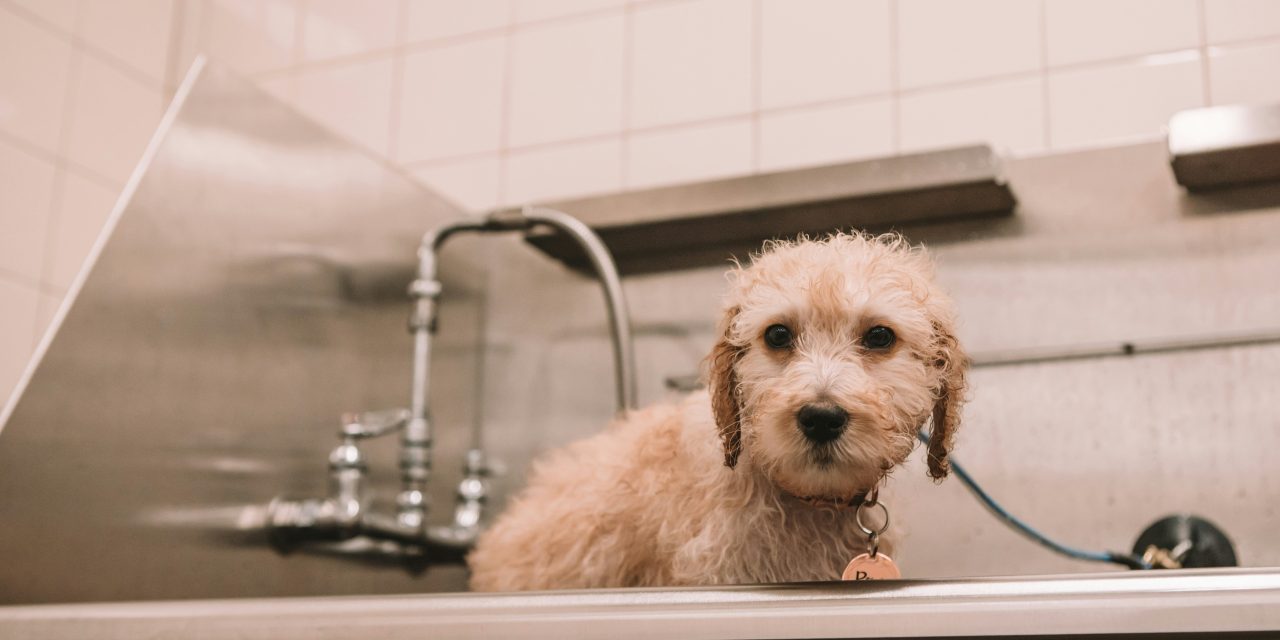
Dogs with curly or wavy coats, such as Poodles or Portuguese Water Dogs, require specialized care during bathing. These coats tend to trap moisture and dirt more easily, necessitating regular grooming and bathing every 4 to 6 weeks. It is essential to use a moisturizing shampoo designed for curly coats to maintain their texture and prevent dryness.
When bathing curly or wavy-coated dogs, it is beneficial to use a conditioner after shampooing to help detangle the fur and enhance moisture retention. After rinsing thoroughly, gently towel-drying the coat can help reduce frizz while maintaining the natural curl pattern. Regular brushing between baths is also crucial for preventing matting and ensuring a healthy coat.
Special Considerations for Dogs with Sensitive Skin
Dogs with sensitive skin require special attention when it comes to bathing frequency and product selection. Conditions such as allergies or dermatitis can make these pets more susceptible to irritation from harsh shampoos or frequent bathing. It is advisable for owners of dogs with sensitive skin to consult with a veterinarian regarding an appropriate bathing schedule and suitable products.
Typically, dogs with sensitive skin should be bathed less frequently—around every 6 to 8 weeks—using hypoallergenic shampoos formulated specifically for sensitive skin types. These products are designed to cleanse without stripping natural oils or causing irritation. Additionally, incorporating oatmeal-based shampoos can provide soothing benefits for irritated skin.
Puppies have different bathing needs compared to adult dogs due to their developing skin and coat. Generally, puppies should not be bathed until they are at least 8 weeks old, as their skin is still maturing during this period. Once they reach this age, they can be bathed every 4 to 6 weeks using gentle puppy-specific shampoos that are free from harsh chemicals.
Adult dogs typically have established bathing routines based on their breed and lifestyle factors. While puppies may require more frequent baths due to accidents or playtime messes, adult dogs can often adhere to a more structured schedule based on their grooming needs. It is essential for owners to monitor their puppy’s skin condition closely during this transitional phase.
Signs Your Dog Needs a Bath Sooner
While adhering to a regular bathing schedule is important, there are specific signs that indicate your dog may need a bath sooner than planned. If your dog begins to develop an unpleasant odor, it may be time for a bath regardless of the scheduled interval. Additionally, visible dirt or mud on their coat after outdoor playtime warrants immediate attention.
Other indicators include excessive scratching or licking of the skin, which may suggest irritation or allergies exacerbated by dirt accumulation. If you notice any changes in your dog’s behavior—such as increased agitation during grooming—it could signal discomfort due to an unclean coat or skin issues requiring prompt intervention.
Choosing the Right Shampoo for Your Dog’s Coat Type
Selecting an appropriate shampoo tailored to your dog’s specific coat type is crucial for maintaining optimal skin health and cleanliness. For short-haired breeds, a mild cleansing shampoo will suffice; however, long-haired breeds benefit from products designed specifically for detangling and moisturizing.
Double-coated breeds require shampoos that cleanse without stripping essential oils from both layers of fur. Curly-coated dogs thrive with moisturizing shampoos that enhance curl definition while preventing dryness. For dogs with sensitive skin, hypoallergenic formulas are essential in avoiding irritation while providing effective cleansing.
Tips for Making Bath Time Enjoyable and Stress-Free
Bath time can be a source of anxiety for many dogs; however, there are several strategies owners can employ to create a positive experience. First and foremost, introducing your dog to water gradually can help alleviate fear associated with baths. Using treats or toys during bath time can also serve as positive reinforcement.
Establishing a routine can further enhance comfort levels; consistent timing helps dogs anticipate bath time as part of their regular schedule. Ensuring that the bathing area is safe and non-slip will contribute significantly to your dog’s comfort during the process. Finally, always remember to praise your dog throughout the experience—this reinforces positive associations with bath time.
In summary, regular dog baths are essential for maintaining hygiene and overall health in pets. Factors influencing bathing frequency include breed type, coat length, activity level, and environmental exposure. Different breeds have unique grooming needs; thus, understanding these requirements allows owners to tailor their routines effectively. By choosing appropriate products and employing strategies that make bath time enjoyable, pet owners can ensure their furry companions remain clean and healthy throughout their lives.
FAQs
How often should I bathe a dog with a short coat?
Dogs with short coats typically require bathing every 1 to 3 months, depending on their activity level and exposure to dirt. Regular brushing can help maintain their coat and reduce the need for frequent baths.
What is the recommended bathing frequency for dogs with long hair?
Dogs with long hair generally need to be bathed every 4 to 6 weeks. This helps prevent matting and keeps their coat clean and healthy. Regular grooming is also essential to manage tangles and debris.
Are there specific bathing guidelines for dogs with curly coats?
Curly-coated dogs should be bathed every 4 to 8 weeks. Their unique coat structure can trap dirt and moisture, so regular bathing and grooming are important to maintain coat health and prevent odors.
How does a dog’s lifestyle affect its bathing schedule?
A dog’s lifestyle significantly impacts its bathing frequency. Active dogs that spend time outdoors or engage in water activities may require more frequent baths, while less active dogs may need fewer baths. Always consider the dog’s environment and activities when determining a bathing schedule.
Can over-bathing harm my dog’s skin and coat?
Yes, over-bathing can strip natural oils from a dog’s skin and coat, leading to dryness, irritation, and potential skin issues. It’s important to find a balance based on the dog’s coat type and lifestyle to maintain healthy skin and fur.