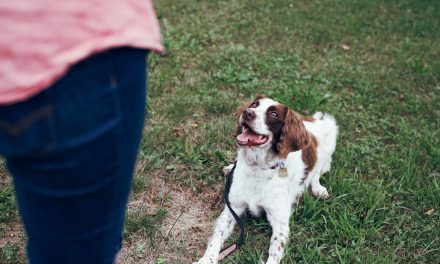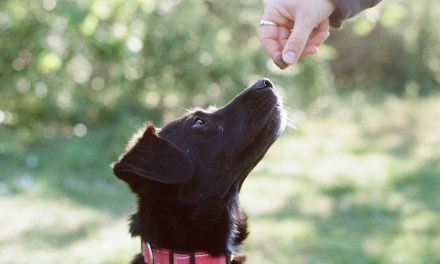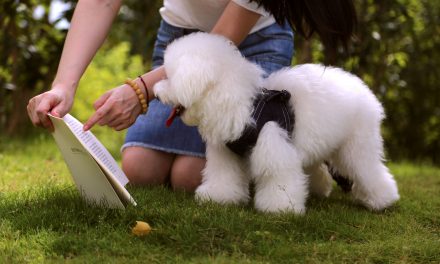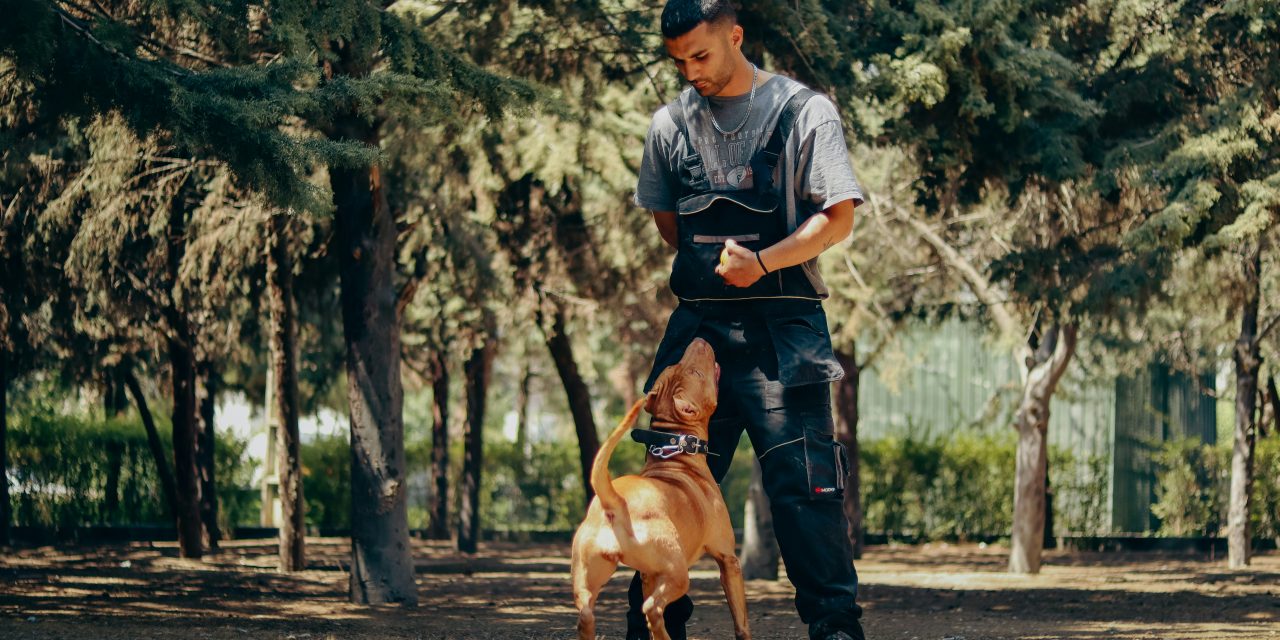
The temperament of a dog is significantly influenced by its breed, which is essential for owners and trainers to comprehend. Each breed has been developed for specific purposes, resulting in distinct behavioral traits. For instance, herding breeds such as Border Collies exhibit high intelligence and a strong instinct to herd, making them eager learners but also prone to anxiety if not adequately stimulated. Conversely, toy breeds like Chihuahuas often display a feisty demeanor, characterized by boldness and a tendency to be territorial. Understanding these inherent traits allows for more effective training and management strategies tailored to each breed’s unique characteristics.
Moreover, recognizing the emotional and psychological needs of different breeds can enhance the bond between the dog and its owner. For example, hounds are typically independent and may require more patience during training sessions, while retrievers are generally eager to please and respond well to positive reinforcement. By acknowledging these differences, trainers can create an environment that fosters trust and cooperation, ultimately leading to a more harmonious relationship.
Tailoring Training Techniques to Energy Levels
Energy levels vary significantly among dog breeds, necessitating tailored training techniques to accommodate these differences. High-energy breeds such as Australian Shepherds or Siberian Huskies require vigorous physical activity and mental stimulation to thrive. Training sessions for these dogs should incorporate dynamic exercises that engage both their bodies and minds. Activities like agility training or interactive games can help channel their energy positively while reinforcing obedience.
In contrast, low-energy breeds such as Bulldogs or Basset Hounds may not require extensive physical exertion but still benefit from structured training sessions. For these dogs, shorter, more focused training periods can be effective. Incorporating gentle exercises like leash walking or basic obedience commands can help maintain their engagement without overwhelming them. Understanding the energy levels of a breed allows trainers to develop appropriate strategies that promote learning while respecting the dog’s natural tendencies.
Socialization Strategies for Different Breeds

Socialization is a critical aspect of dog training that varies according to breed characteristics. Early exposure to various environments, people, and other animals is essential for developing well-adjusted dogs. For instance, herding breeds often benefit from socialization with livestock and other dogs to refine their herding instincts. Introducing them to different scenarios can help mitigate potential behavioral issues stemming from their strong drive.
On the other hand, toy breeds may require a more controlled socialization approach due to their smaller size and potential vulnerability. Gradual introductions to larger dogs and unfamiliar situations can help build their confidence while minimizing stress. Utilizing positive reinforcement during socialization experiences encourages desirable behaviors and fosters a sense of security in various environments.
Effective Commands for Herding Dogs

Herding dogs are known for their intelligence and responsiveness, making them ideal candidates for advanced training commands. Commands such as “come by” (to move clockwise around livestock) and “away” (to move counterclockwise) are essential for effective herding management. These commands not only facilitate control over the herd but also strengthen the bond between the dog and handler through clear communication.
In addition to traditional herding commands, incorporating agility training can enhance a herding dog’s responsiveness and focus. Exercises that require quick decision-making and physical agility can improve their overall performance in herding tasks while providing mental stimulation. Consistent practice of these commands in various environments will reinforce their reliability and effectiveness.
Training Tips for Toy Breeds with Stubborn Streaks
Toy breeds often exhibit a stubborn streak that can pose challenges during training sessions. Their small size may lead some owners to underestimate their need for structure and discipline. To effectively train these breeds, it is crucial to establish clear boundaries while employing positive reinforcement techniques. Using treats or praise as rewards for desired behaviors can motivate stubborn toy breeds to comply with commands.
Additionally, incorporating play into training sessions can enhance engagement and reduce resistance. Short, fun training exercises that align with the dog’s interests can make learning enjoyable while reinforcing obedience. Consistency is key; maintaining a routine helps toy breeds understand expectations and fosters a sense of security in their training environment.
Managing High-Drive Working Dogs
High-drive working dogs, such as Belgian Malinois or German Shepherds, require specialized management strategies due to their intense energy levels and strong work ethic. These breeds thrive on physical activity and mental challenges, necessitating a structured training regimen that incorporates both elements. Engaging them in activities like scent work or obedience trials can satisfy their drive while reinforcing desired behaviors.
Moreover, providing ample opportunities for exercise is crucial in managing high-drive dogs. Daily routines should include vigorous activities such as running, hiking, or playing fetch to prevent boredom and destructive behaviors. Implementing a consistent schedule that balances training, exercise, and downtime will help maintain their focus and overall well-being.
Positive Reinforcement Methods for Sensitive Breeds
Sensitive breeds, such as Greyhounds or Cavalier King Charles Spaniels, respond best to gentle training methods that prioritize positive reinforcement. Harsh corrections or negative reinforcement can lead to anxiety or fear-based behaviors in these dogs. Instead, utilizing treats, praise, or play as rewards for desired actions fosters a trusting relationship between the dog and trainer.
Creating a calm training environment is essential for sensitive breeds. Minimizing distractions and employing a soft tone during commands can enhance their receptiveness to learning. Gradually introducing new experiences while rewarding bravery can help build confidence in sensitive dogs, allowing them to thrive in various situations.
Addressing Common Behavioral Issues by Breed
Behavioral issues often manifest differently across breeds due to their unique temperaments and instincts. For example, terriers may exhibit digging or excessive barking due to their high prey drive, while retrievers might struggle with separation anxiety if not adequately trained for independence. Identifying breed-specific tendencies allows trainers to implement targeted strategies for addressing these challenges.
For instance, providing ample physical exercise and mental stimulation can mitigate excessive barking in terriers by channeling their energy into productive activities. In contrast, teaching retrievers coping mechanisms for separation anxiety—such as crate training or gradual desensitization—can foster independence while ensuring they feel secure when left alone.
Exercise Requirements and Training Integration
Integrating exercise into training routines is vital for maintaining a dog’s physical health and mental well-being. Different breeds have varying exercise requirements; therefore, understanding these needs is crucial for effective training integration. High-energy breeds may require multiple hours of vigorous activity daily, while low-energy breeds might be satisfied with shorter walks or play sessions.
Incorporating exercise into training sessions can enhance focus and retention of commands. For example, using fetch as a reward during obedience training not only reinforces desired behaviors but also provides necessary physical activity. Balancing exercise with structured training helps prevent behavioral issues stemming from pent-up energy while promoting overall fitness.
Utilizing Breed Strengths in Training Sessions
Every breed possesses unique strengths that can be leveraged during training sessions to enhance learning outcomes. For instance, herding breeds excel in tasks requiring agility and quick decision-making; incorporating agility courses into their training can capitalize on these strengths while providing mental stimulation. Similarly, scent hounds possess an exceptional sense of smell; utilizing scent work exercises can engage their natural instincts while reinforcing obedience.
Recognizing and utilizing these inherent strengths fosters a positive learning environment where dogs feel accomplished and motivated. Tailoring training sessions to align with breed-specific abilities not only enhances engagement but also strengthens the bond between the dog and trainer through shared success.
Selecting the Right Training Tools for Your Dog’s Breed
Choosing appropriate training tools is essential for effective communication between the trainer and the dog. Different breeds may respond better to specific tools based on their temperament and learning style. For example, high-energy working dogs may benefit from harnesses designed for control during walks or specialized leashes that prevent pulling.
Conversely, sensitive breeds may require gentler tools such as soft collars or head halters that minimize discomfort during training sessions. Additionally, utilizing interactive toys or puzzle feeders can provide mental stimulation while reinforcing positive behaviors through play. Selecting the right tools tailored to each breed’s needs enhances the overall training experience and promotes successful outcomes.
In summary, understanding breed-specific temperaments is crucial for effective dog training. Tailoring techniques according to energy levels, socialization needs, and inherent strengths fosters a positive learning environment that enhances the bond between dogs and their owners. By employing appropriate commands, addressing behavioral issues, integrating exercise into routines, and selecting suitable training tools, trainers can create successful outcomes tailored to each dog’s unique characteristics.
FAQs
What are the key differences in training techniques for different dog breeds?
Different dog breeds have varying temperaments, energy levels, and instincts, which can influence training techniques. For example, herding breeds like Border Collies may require more mental stimulation and agility training, while toy breeds like Chihuahuas may benefit from socialization and basic obedience. Understanding the specific traits of a breed can help tailor training methods to be more effective.
How can I determine the best training approach for my specific breed?
To determine the best training approach for your specific breed, research the breed’s characteristics, consult breed-specific training resources, and consider the dog’s age, temperament, and previous experiences. Additionally, seeking advice from professional trainers who specialize in your breed can provide valuable insights and tailored strategies.
Are there any common behavioral issues associated with specific breeds?
Yes, certain breeds are prone to specific behavioral issues. For instance, terriers may exhibit digging or excessive barking due to their high energy and prey drive, while larger breeds like Great Danes may struggle with jumping or leash pulling due to their size. Understanding these tendencies can help owners proactively address and manage these behaviors during training.
How important is socialization for different dog breeds during training?
Socialization is crucial for all dog breeds, but its importance can vary. Breeds that are naturally more reserved or protective, such as Rottweilers or Akitas, may require more structured socialization to prevent fearfulness or aggression. Conversely, breeds that are more sociable, like Golden Retrievers, may adapt more easily to new environments and people. Early and ongoing socialization helps ensure well-rounded behavior.
What role does exercise play in the training of specific dog breeds?
Exercise plays a significant role in the training of specific dog breeds, as it helps to channel their energy and reduce behavioral issues. High-energy breeds, such as Siberian Huskies or Australian Shepherds, require more physical activity to stay focused and engaged during training sessions. Regular exercise can improve a dog’s ability to learn and retain commands, making training more effective.