Aggression in dogs is a multifaceted behavior that can stem from various underlying causes. Understanding these root causes is crucial for effective management and intervention. One primary factor contributing to aggressive behavior is fear. Dogs may exhibit aggression as a defensive mechanism when they perceive a threat to their safety or territory. This fear-based aggression can manifest in various situations, such as encounters with unfamiliar people, animals, or environments. Additionally, genetics plays a significant role; certain breeds are predisposed to aggressive tendencies due to their lineage and historical roles.
Another contributing factor is socialization, or the lack thereof. Dogs that have not been adequately exposed to diverse stimuli during their critical developmental periods may react aggressively when confronted with new experiences. Furthermore, medical issues such as pain or neurological disorders can lead to aggression. Conditions like hypothyroidism or brain tumors may alter a dog’s behavior, making them more irritable or reactive. Understanding these root causes is essential for pet owners and trainers alike, as it allows for tailored approaches to address and mitigate aggressive behaviors effectively.
Recognizing Early Warning Signs of Aggression
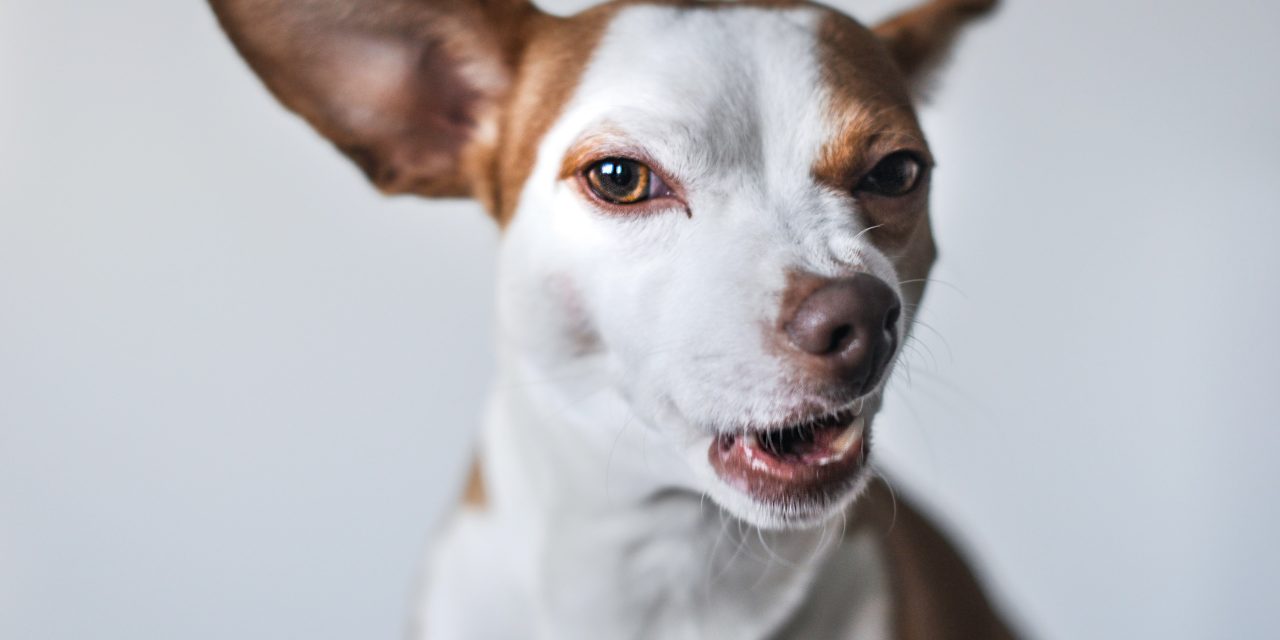
Recognizing early warning signs of aggression is vital for preventing escalation into more severe confrontations. Dogs often exhibit subtle cues before displaying overt aggressive behavior. These signs may include body language changes such as stiffening, raised hackles, and a fixed gaze. Additionally, vocalizations like growling or snarling serve as warnings that a dog may feel threatened or uncomfortable. It is crucial for dog owners to be observant and interpret these signals accurately to intervene before aggression escalates.
Another early warning sign can be avoidance behavior. A dog that turns away, tucks its tail, or attempts to retreat may be signaling discomfort or fear. Additionally, resource guarding is a common precursor to aggression; dogs may growl or snap when approached while eating or playing with toys. By recognizing these early indicators, owners can take proactive measures to address their dog’s discomfort and prevent aggressive incidents from occurring.
Creating a Calm and Safe Environment

Establishing a calm and safe environment is paramount in managing canine aggression. A dog’s living space should be free from stressors that could trigger aggressive responses. This includes minimizing exposure to loud noises, chaotic environments, or unfamiliar visitors that may cause anxiety. Creating a designated safe space within the home where the dog can retreat when feeling overwhelmed can significantly reduce stress levels.
Moreover, incorporating calming elements into the environment can further promote tranquility. Utilizing pheromone diffusers, calming music, or providing comfortable bedding can help create a soothing atmosphere. Additionally, maintaining a consistent routine for feeding, exercise, and training can provide dogs with a sense of security and predictability, reducing anxiety and potential aggression.
Consistent Training and Positive Reinforcement

Consistent training is essential for addressing aggressive behaviors in dogs. Employing positive reinforcement techniques encourages desirable behaviors while discouraging aggression. Rewarding dogs with treats, praise, or playtime when they exhibit calm behavior reinforces positive associations with specific situations or stimuli that may otherwise provoke aggression.
Training should focus on basic obedience commands such as “sit,” “stay,” and “leave it.” These commands not only enhance communication between the dog and owner but also provide the dog with tools to navigate potentially triggering situations more effectively. Consistency in training sessions is crucial; regular practice helps solidify learned behaviors and fosters a stronger bond between the dog and owner.
Socializing Your Dog Properly
Proper socialization is a cornerstone of preventing aggression in dogs. Early exposure to various people, animals, and environments during the critical socialization period (typically between 3 to 14 weeks of age) can significantly reduce the likelihood of fear-based aggression later in life. Gradual introductions to new experiences should be conducted in a controlled manner, allowing the dog to explore at their own pace without overwhelming them.
Socialization should continue throughout a dog’s life; regular interactions with other dogs and people help reinforce positive behaviors and reduce anxiety in unfamiliar situations. Puppy classes, dog parks, and supervised playdates are excellent opportunities for socialization. However, it is essential to monitor interactions closely to ensure they remain positive and do not lead to negative experiences that could trigger aggression.
Avoiding Triggers That Cause Aggression
Identifying and avoiding triggers that provoke aggressive behavior is crucial for managing canine aggression effectively. Common triggers include specific situations such as encounters with other dogs, strangers approaching too quickly, or sudden loud noises. By recognizing these triggers, owners can take proactive measures to minimize exposure during walks or outings.
For instance, if a dog exhibits aggression towards other dogs while on a leash, it may be beneficial to choose quieter walking routes or utilize training techniques such as desensitization and counter-conditioning. Additionally, using tools like muzzles during high-stress situations can provide an added layer of safety while allowing the dog to remain in public spaces without posing a risk to others.
Using Professional Help When Necessary
In some cases, addressing aggression in dogs may require the expertise of a professional dog trainer or behaviorist. These professionals possess specialized knowledge and experience in dealing with aggressive behaviors and can provide tailored strategies for individual dogs. Seeking professional help is particularly important when aggression poses a risk to the safety of the dog or others.
Behavior modification programs led by certified professionals often involve comprehensive assessments of the dog’s behavior and environment. These programs may include personalized training plans that incorporate positive reinforcement techniques, socialization opportunities, and environmental management strategies tailored to the dog’s specific needs.
Implementing Controlled Exposure Techniques
Controlled exposure techniques are effective methods for desensitizing dogs to stimuli that trigger aggressive responses. This approach involves gradually introducing the dog to the triggering stimulus at a distance where they feel safe and comfortable. Over time, the intensity of exposure can be increased as the dog becomes more accustomed to the stimulus without exhibiting aggressive behavior.
For example, if a dog reacts aggressively towards other dogs during walks, controlled exposure might involve observing other dogs from a distance while rewarding calm behavior with treats. Gradually decreasing the distance over time allows the dog to learn that the presence of other dogs does not pose a threat, ultimately reducing aggressive tendencies.
Managing Your Own Reactions to Aggression
Managing one’s reactions during instances of aggression is crucial for effective intervention. Dogs are highly perceptive creatures; they can sense their owner’s anxiety or frustration, which may exacerbate aggressive behavior. Remaining calm and composed during confrontations helps convey reassurance to the dog and prevents escalation.
Additionally, employing techniques such as deep breathing or counting to ten before responding can help owners maintain composure during stressful situations. It is essential to avoid punitive measures or yelling at the dog during aggressive incidents; such reactions can increase fear and anxiety, further perpetuating aggressive behaviors.
Ensuring Proper Exercise and Mental Stimulation
Regular exercise and mental stimulation are vital components of managing canine aggression effectively. Physical activity helps release pent-up energy that could otherwise contribute to frustration or irritability. Engaging in daily walks, play sessions, or interactive games provides dogs with an outlet for their energy while promoting overall well-being.
Mental stimulation is equally important; activities such as puzzle toys, obedience training sessions, or scent work challenge dogs cognitively and help alleviate boredom. A well-exercised and mentally stimulated dog is less likely to exhibit aggressive behaviors stemming from frustration or anxiety.
Monitoring Progress and Adjusting Strategies Accordingly
Monitoring progress is essential for evaluating the effectiveness of implemented strategies in managing canine aggression. Keeping detailed records of behavioral changes, triggers encountered, and responses observed allows owners to identify patterns over time. Regular assessments enable adjustments to training techniques or environmental management strategies based on the dog’s evolving needs.
If certain approaches prove ineffective or if aggression escalates despite intervention efforts, it may be necessary to consult with professionals for further guidance. Flexibility in adapting strategies ensures that owners remain responsive to their dog’s unique behavioral patterns while fostering a safer environment for both the dog and those around them.
In summary, understanding canine aggression requires an exploration of its root causes, early warning signs, and effective management strategies. Creating a calm environment, consistent training through positive reinforcement, proper socialization, avoiding triggers, seeking professional help when necessary, implementing controlled exposure techniques, managing personal reactions, ensuring adequate exercise and mental stimulation, and monitoring progress are all integral components of addressing this complex behavior effectively. By employing these strategies thoughtfully and consistently, pet owners can foster healthier relationships with their dogs while promoting safety within their communities.
FAQs
What are the common signs of aggression in dogs?
Common signs of aggression in dogs include growling, barking, showing teeth, lunging, snapping, and biting. Other behaviors may include stiff body posture, raised hackles, and a fixed stare. It’s important to recognize these signs early to prevent escalation.
What causes aggression in dogs?
Aggression in dogs can be caused by various factors, including fear, territorial behavior, pain, frustration, and lack of socialization. Certain breeds may also have predispositions to aggressive behavior, and past traumatic experiences can contribute to a dog’s aggressive tendencies.
How can I prevent aggression in my dog?
Preventing aggression in dogs involves early socialization, consistent training, and positive reinforcement. Exposing your dog to different environments, people, and other animals in a controlled manner can help reduce fear and anxiety, which are often triggers for aggression.
What should I do if my dog shows aggression?
If your dog shows aggression, it’s crucial to remain calm and avoid punishing the dog, as this can escalate the behavior. Instead, remove the dog from the situation, seek professional help from a veterinarian or a certified dog trainer, and work on behavior modification techniques.
Can aggression in dogs be treated?
Yes, aggression in dogs can often be treated with the right approach. Treatment may include behavior modification techniques, training, and in some cases, medication prescribed by a veterinarian. It’s essential to address the underlying causes of aggression and work with professionals to develop a tailored plan.