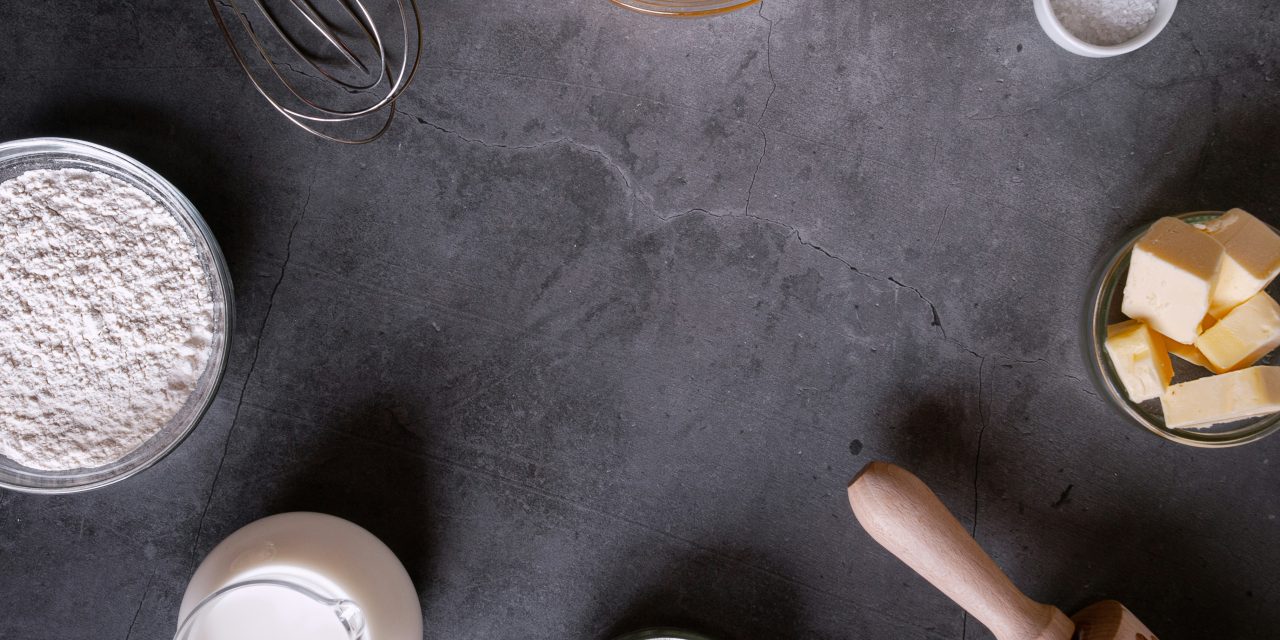
Baking is both an art and a science, where precision and technique play pivotal roles in achieving the desired outcome. The method employed in baking can significantly influence the texture, flavor, and overall quality of the final product. Understanding various baking techniques is essential for both novice and experienced bakers, as it allows for better control over the ingredients and the baking process. Each method has its unique characteristics, which can lead to different results even when using the same ingredients.
The choice of baking method can affect the incorporation of air, the development of gluten, and the moisture content of the batter or dough. For instance, some techniques emphasize aeration, while others focus on creating a dense structure. By mastering these methods, bakers can tailor their approach to suit specific recipes and desired outcomes, ensuring that each baked good meets high standards of quality and taste.
Creaming Method: The Foundation of Fluffy Cakes
The creaming method is a fundamental technique in baking that involves beating together fat (usually butter) and sugar until light and fluffy. This process is crucial for creating cakes with a tender crumb and a light texture. The incorporation of air during creaming helps to leaven the batter, resulting in a cake that rises beautifully during baking. The sugar granules create tiny air pockets within the fat, which expand when heated, contributing to the cake’s volume.
To execute the creaming method effectively, it is essential to use room temperature butter, as this allows for optimal aeration. The mixture should be beaten until it reaches a pale yellow color and a fluffy consistency. Following this step, eggs are typically added one at a time to maintain emulsion and prevent curdling. The dry ingredients are then incorporated gradually to avoid overmixing, which can lead to a dense cake due to gluten development.
Muffin Method: Quick and Easy Batter Mixing

The muffin method is celebrated for its simplicity and speed, making it an ideal choice for busy bakers. This technique involves mixing dry ingredients separately from wet ingredients before combining them to create a batter. The key to success with the muffin method lies in minimizing mixing; overmixing can lead to tough muffins due to excessive gluten formation.
To begin, dry ingredients such as flour, sugar, baking powder, and salt are whisked together in one bowl. In another bowl, wet ingredients like milk, eggs, and melted butter are combined. Once both mixtures are prepared, they are gently folded together until just combined. It is acceptable for the batter to remain slightly lumpy; this ensures that the muffins will be tender and moist once baked. The muffin method is versatile and can be adapted for various flavors by incorporating fruits, nuts, or spices.
Biscuit Method: Perfect for Flaky Pastries

The biscuit method is specifically designed for creating flaky pastries such as biscuits and scones. This technique relies on cutting cold fat into flour to create a crumbly texture that results in layers of flakiness when baked. The key to achieving this desirable texture is to keep the fat cold throughout the process, which prevents it from fully melting before baking.
To begin with the biscuit method, flour, baking powder, salt, and cold fat (usually butter or shortening) are combined in a bowl. Using a pastry cutter or fingers, the fat is worked into the flour until the mixture resembles coarse crumbs. Cold liquid ingredients are then added gradually until a soft dough forms. It is crucial not to overwork the dough; gentle handling ensures that the layers remain intact during baking. The result is a tender biscuit with a flaky texture that pairs perfectly with butter or jam.
Foaming Method: Light and Airy Sponge Cakes
The foaming method is essential for creating light and airy sponge cakes that rely on whipped eggs for leavening rather than chemical leaveners like baking powder or baking soda. This technique involves beating eggs (and often sugar) until they reach a thick, voluminous consistency known as “ribbon stage.” The incorporation of air during this process is what gives sponge cakes their characteristic lightness.
To execute the foaming method successfully, eggs should be at room temperature for optimal volume. They are beaten with sugar until they become pale and thickened. Once this stage is achieved, dry ingredients such as flour are gently folded in to maintain the airiness of the mixture. The batter is then poured into prepared pans and baked immediately to preserve the aeration achieved during whipping. The result is a delicate sponge cake that serves as an excellent base for layered desserts or can be enjoyed on its own.
Melting Method: Smooth and Moist Brownies
The melting method is particularly effective for creating rich and moist baked goods such as brownies and certain types of cakes. This technique involves melting fat (often butter or chocolate) before combining it with other ingredients. The melting process not only enhances flavor but also contributes to a fudgy texture that many bakers seek in brownies.
To utilize the melting method, fat is melted gently over low heat or in a microwave until fully liquefied. Once cooled slightly, it is combined with sugar and eggs before incorporating dry ingredients like flour and cocoa powder. This method allows for easy mixing and ensures that all ingredients blend seamlessly without overworking the batter. The result is a decadent brownie with a chewy texture that is sure to satisfy any chocolate lover’s cravings.
Rubbing-In Method: Ideal for Shortcrust Pastry
The rubbing-in method is a classic technique used primarily for making shortcrust pastry. This approach involves rubbing cold fat into flour until the mixture resembles breadcrumbs, which creates a tender pastry ideal for pies and tarts. The key to success with this method lies in maintaining cold temperatures throughout the process to prevent the fat from melting prematurely.
To begin, flour and salt are combined in a bowl before cold butter is added in small pieces. Using fingertips or a pastry cutter, the fat is rubbed into the flour until it reaches a crumbly consistency. Cold water is then added gradually until the dough comes together without being overworked. This gentle handling ensures that the pastry remains tender once baked. The resulting shortcrust pastry can be used for both sweet and savory dishes.
Whisking Method: Incorporating Air for Volume
The whisking method is an essential technique used primarily for recipes that require significant aeration, such as meringues or soufflés. This method involves vigorously whisking egg whites or whole eggs to incorporate air into the mixture, resulting in increased volume and lightness.
To achieve optimal results with the whisking method, it is crucial to use clean equipment free from grease or residue, as even small amounts can hinder egg whites from whipping properly. Egg whites are beaten until they form stiff peaks, indicating that sufficient air has been incorporated. For recipes requiring whole eggs, sugar may be added gradually while whisking to stabilize the mixture. The resulting airy batter can be folded into other ingredients or baked directly for light-textured desserts.
Folding Method: Gentle Mixing to Retain Air
The folding method is a delicate mixing technique used primarily when incorporating whipped cream or beaten egg whites into batters without deflating them. This approach ensures that air pockets remain intact, contributing to a light and airy final product.
To execute the folding method effectively, a spatula or large spoon is used to gently lift and turn the mixture over itself rather than stirring vigorously. This technique allows for even distribution of ingredients while preserving volume. It is essential to work quickly but gently to avoid losing air from the whipped components. The folding method is commonly employed in recipes such as soufflés or chiffon cakes where maintaining aeration is critical.
Kneading Method: Essential for Yeast Breads
Kneading is a fundamental technique used primarily in yeast bread making that develops gluten structure within doughs. This process involves working dough by hand or with a mixer until it becomes smooth and elastic—a sign that gluten has formed adequately.
To knead effectively, flour, water, yeast, salt, and any additional ingredients are combined into a cohesive dough before being turned out onto a floured surface. The dough is then pushed away with the heel of one hand while folding it back over itself with the other hand—a rhythmic motion that encourages gluten development. Kneading typically lasts between 8-10 minutes until the dough passes the “windowpane test,” where it stretches without tearing. Properly kneaded dough results in bread with excellent structure and chewiness once baked.
Blind Baking: Preparing Pie Crusts for Filling
Blind baking is an essential technique used primarily for preparing pie crusts before adding fillings that require little or no additional cooking time—such as custards or fresh fruit fillings. This process ensures that the crust remains crisp and prevents sogginess from wet fillings.
To blind bake effectively, pie dough is rolled out and placed into a pie dish before being chilled to firm up the fat within the crust. Once chilled, parchment paper or aluminum foil is placed over the crust along with pie weights or dried beans to prevent it from puffing up during baking. The crust is then baked at a moderate temperature until lightly golden before removing weights and returning it to the oven briefly if necessary for further browning.
Steaming Method: Moist and Tender Cakes
The steaming method is an innovative technique used primarily for creating moist cakes that retain their tenderness throughout baking—ideal for recipes such as Chinese sponge cakes or certain puddings. This approach involves cooking cakes in steam rather than direct heat, which helps maintain moisture levels.
To utilize steaming effectively, cake batter is poured into a heatproof dish before being placed in a steamer basket over simmering water—ensuring that steam circulates evenly around the cake during cooking time. This gentle cooking method prevents drying out while allowing flavors to develop fully within moist environments—resulting in cakes that are soft yet flavorful.
In summary, mastering various baking methods enhances one’s ability to create diverse baked goods with distinct textures and flavors. From creaming for fluffy cakes to steaming for moist desserts, each technique offers unique advantages tailored toward specific recipes—empowering bakers with knowledge essential for culinary success in their kitchens!
FAQs
What are the different baking methods?
There are several baking methods, including dry heat baking, steam baking, and convection baking. Dry heat baking involves using an oven to cook food with hot air, while steam baking incorporates moisture to create a softer texture. Convection baking uses a fan to circulate hot air, resulting in even cooking and browning.
How does temperature affect baking?
Temperature plays a crucial role in baking, as it influences the chemical reactions that occur during the process. Higher temperatures can lead to quicker browning and crust formation, while lower temperatures allow for more even cooking and moisture retention. It’s essential to follow recipe guidelines for optimal results.
What is the purpose of preheating an oven?
Preheating an oven ensures that it reaches the desired temperature before placing food inside. This step is vital for achieving consistent cooking and baking results, as it allows for proper rising, browning, and texture development in baked goods.
What is the difference between baking and roasting?
Baking and roasting are similar cooking methods, but they differ primarily in the type of food being prepared. Baking typically refers to cooking foods like bread, cakes, and pastries at lower temperatures, while roasting is used for meats and vegetables at higher temperatures to achieve caramelization and a crispy exterior.
Can baking methods be adapted for different dietary needs?
Yes, baking methods can be adapted to accommodate various dietary needs. For example, gluten-free flours can be used in place of traditional wheat flour, and alternative sweeteners can replace sugar. Additionally, techniques such as using lower-fat ingredients or adjusting cooking times can help meet specific dietary requirements.