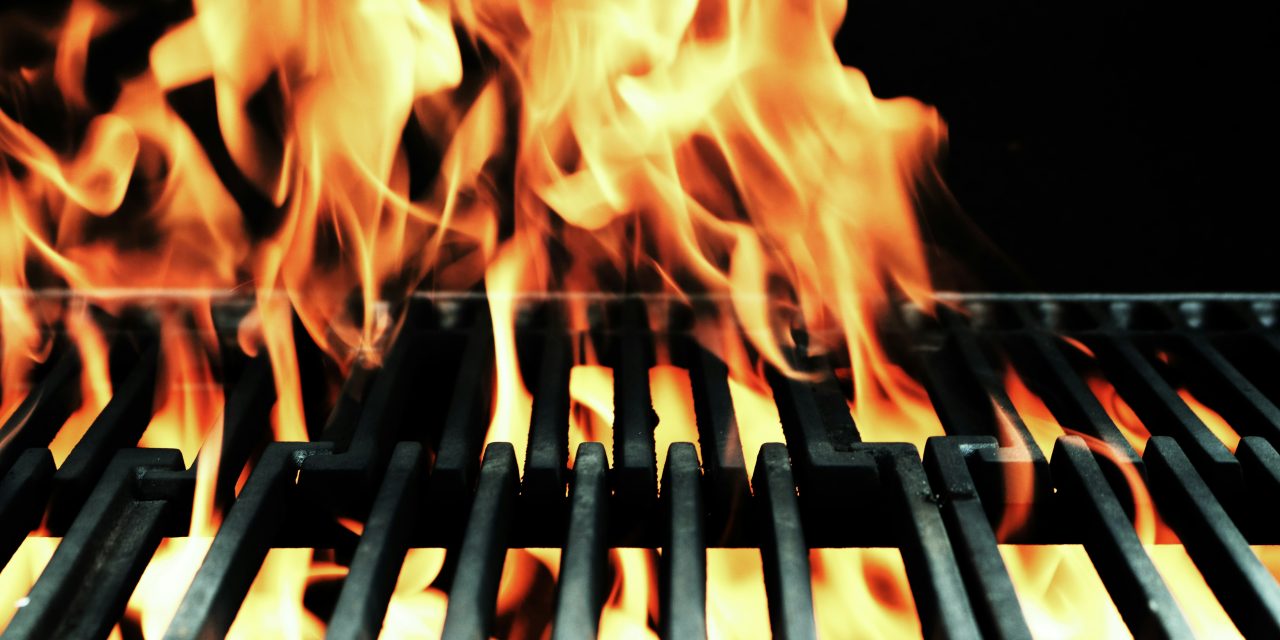
Selecting the appropriate grill is paramount for achieving the ultimate barbecue experience. The market offers a plethora of options, including gas, charcoal, electric, and pellet grills, each with distinct advantages and disadvantages. Gas grills are favored for their convenience and quick heat-up times, making them ideal for spontaneous gatherings. Conversely, charcoal grills are celebrated for imparting a rich, smoky flavor to meats, although they require more time and effort to ignite and maintain.
When considering a grill, it is essential to evaluate the size and cooking area. A larger grill accommodates more food, making it suitable for gatherings or family events. Additionally, features such as side burners, rotisserie attachments, and temperature gauges can enhance your grilling experience. Ultimately, the choice of grill should align with your cooking style, frequency of use, and personal preferences.
Preparing Your Grill for Optimal Heat
Before embarking on your grilling adventure, proper preparation of the grill is crucial for achieving optimal heat distribution. For gas grills, ensure that all burners are functioning correctly and that the propane tank is adequately filled. Preheating the grill is essential; typically, a temperature of around 400°F to 450°F is ideal for most grilling tasks. Allowing the grill to preheat for at least 10-15 minutes ensures that the grates reach the desired temperature.
For charcoal grills, the process involves lighting the charcoal and allowing it to burn until it reaches a consistent ash-gray color. This indicates that the coals are ready for cooking. Arranging the coals in a two-zone setup—one side for direct heat and the other for indirect heat—provides versatility in cooking methods. Proper preparation not only enhances flavor but also minimizes cooking time and ensures even heat distribution across the grilling surface.
Selecting Quality Meats and Ingredients

The foundation of any successful barbecue lies in the selection of high-quality meats and ingredients. When choosing meats, consider factors such as freshness, marbling, and cut type. Cuts with good marbling, such as ribeye or pork shoulder, tend to be more flavorful and tender when cooked. Additionally, sourcing meats from local farms or reputable butchers can ensure superior quality and taste.
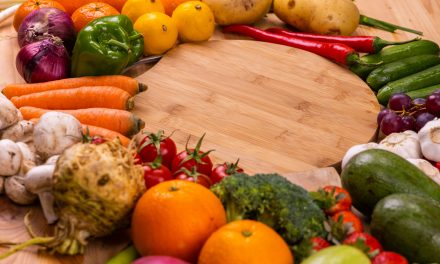
Incorporating fresh ingredients such as vegetables, herbs, and spices can elevate your barbecue experience. Opt for seasonal produce that complements your meat choices. For instance, grilled corn on the cob or marinated bell peppers can add vibrant flavors and textures to your meal. Prioritizing quality ingredients not only enhances taste but also contributes to a healthier dining experience.
Mastering the Art of Marinating and Seasoning

Marinating and seasoning are essential techniques that can significantly enhance the flavor profile of your grilled dishes. A well-crafted marinade typically consists of an acid (such as vinegar or citrus juice), oil, and various herbs and spices. The acid helps tenderize the meat while infusing it with flavor. Allowing the meat to marinate for several hours or overnight can yield remarkable results.
Seasoning is equally important; a simple blend of salt and pepper can work wonders, but experimenting with dry rubs or spice blends can add depth to your dishes. Consider using ingredients like garlic powder, paprika, or cumin to create unique flavor combinations. Mastering these techniques will not only improve taste but also showcase your culinary skills.
Understanding the difference between direct and indirect heat cooking is fundamental to mastering grilling techniques. Direct heat cooking involves placing food directly over the flame or heat source, making it ideal for quick-cooking items such as burgers, steaks, and vegetables. This method allows for a beautiful sear and caramelization on the exterior while keeping the interior juicy.
Indirect heat cooking, on the other hand, involves placing food away from the direct flame, allowing it to cook slowly and evenly. This technique is particularly useful for larger cuts of meat like whole chickens or briskets that require longer cooking times. Utilizing both methods effectively can enhance your grilling repertoire and ensure perfectly cooked dishes every time.
Controlling Grill Temperature for Consistent Results
Achieving consistent results on the grill hinges on effective temperature control. For gas grills, adjusting burner settings allows for precise temperature management. Utilizing a grill thermometer can help monitor internal temperatures accurately. For charcoal grills, managing airflow through vents is crucial; opening vents increases oxygen flow and raises temperatures, while closing them reduces heat.
Maintaining a stable temperature throughout the cooking process is vital for even cooking and preventing flare-ups. For larger cuts of meat cooked indirectly, consider using a meat thermometer to monitor internal temperatures accurately. This attention to detail will ensure that your grilled creations are cooked to perfection every time.
Timing Your Cooking for Perfect Doneness
Timing is critical when it comes to achieving perfect doneness in grilled meats. Each type of meat has its own recommended cooking times based on thickness and desired doneness levels. For instance, a medium-rare steak typically requires about 4-5 minutes per side on high heat, while chicken breasts may take 6-8 minutes per side depending on thickness.
Utilizing a reliable meat thermometer is essential for ensuring that meats reach safe internal temperatures without overcooking. For beef, aim for an internal temperature of 130°F for medium-rare; chicken should reach at least 165°F to ensure safety. Familiarizing yourself with these guidelines will help you serve perfectly cooked meats every time.
Using the Right Tools for Easy Handling
Equipping yourself with the right grilling tools can significantly enhance your barbecue experience. Essential tools include long-handled tongs for flipping meats without piercing them, a sturdy spatula for burgers and delicate items like fish, and a basting brush for applying marinades or sauces during cooking.
Investing in a quality meat thermometer is also crucial for monitoring internal temperatures accurately. Additionally, consider using grill baskets or skewers for vegetables to prevent them from falling through grates. Having these tools on hand will streamline your grilling process and contribute to successful outcomes.
Avoiding Common Grilling Mistakes
Even seasoned grillers can fall victim to common mistakes that hinder their barbecue success. One prevalent error is overcrowding the grill; placing too much food at once can lead to uneven cooking and flare-ups. It’s essential to leave adequate space between items to allow proper airflow.
Another frequent mistake is neglecting to preheat the grill adequately before cooking. Skipping this step can result in sticking food and uneven searing. Additionally, constantly flipping meats can prevent proper browning; allowing them to sear undisturbed will yield better results. Being mindful of these pitfalls will elevate your grilling game significantly.
Resting Meat for Juicy and Tender Results
Resting meat after grilling is a crucial step that many overlook but is vital for achieving juicy and tender results. When meat cooks, juices are pushed toward the center; allowing it to rest for 5-10 minutes after removing it from the grill enables these juices to redistribute throughout the meat.
Covering the resting meat loosely with foil helps retain warmth while preventing moisture loss. This simple yet effective technique ensures that each bite is flavorful and succulent, enhancing your overall dining experience.
Cleaning and Maintaining Your Grill After Use
Proper cleaning and maintenance of your grill are essential for longevity and optimal performance. After each use, allow the grill grates to cool slightly before scraping off any residue with a grill brush. For gas grills, check burners for blockages and clean drip trays regularly to prevent flare-ups.
Seasoning cast iron grates with oil after cleaning can help maintain their non-stick properties and prevent rusting. Additionally, performing routine inspections of hoses and connections on gas grills ensures safety during operation. By prioritizing maintenance, you can extend the life of your grill while ensuring consistently excellent results.
In summary, mastering barbecue techniques involves careful consideration of equipment selection, ingredient quality, cooking methods, timing, and maintenance practices. By understanding these elements thoroughly, you can elevate your grilling skills and create memorable culinary experiences that delight family and friends alike.
FAQs
What are the best types of grills for beginners?
For beginners, gas grills and electric grills are often recommended due to their ease of use and quick heating capabilities. Charcoal grills can also be a great option for those looking to learn traditional grilling techniques, but they require more time and skill to manage the heat.
How can I prevent food from sticking to the grill?
To prevent food from sticking, make sure to preheat the grill and oil the grates before placing food on them. You can use a paper towel dipped in oil and tongs to apply a thin layer of oil to the grates. Additionally, letting the food sear for a few moments before attempting to flip it can help reduce sticking.
What is the ideal temperature for grilling different types of meat?
The ideal grilling temperatures vary by meat type: for beef steaks, aim for 450-500°F; for chicken, 375-450°F; for pork, 350-400°F; and for fish, 350-400°F. Using a meat thermometer can help ensure that the meat is cooked to the appropriate internal temperature for safety and flavor.
How can I enhance the flavor of grilled foods?
Enhancing the flavor of grilled foods can be achieved through marinating, seasoning, and using wood chips for smoking. Marinades can add moisture and flavor, while dry rubs can create a flavorful crust. Additionally, incorporating herbs and spices can elevate the taste of your grilled dishes.
What safety precautions should I take while grilling?
Safety precautions while grilling include keeping the grill away from flammable materials, using long-handled tools to avoid burns, and ensuring proper ventilation if using a gas grill. Always have a fire extinguisher nearby and never leave the grill unattended while in use.