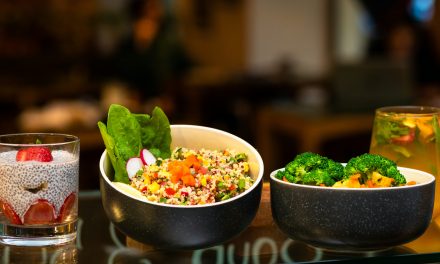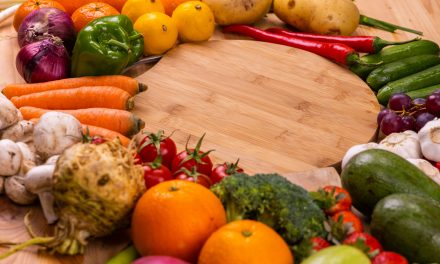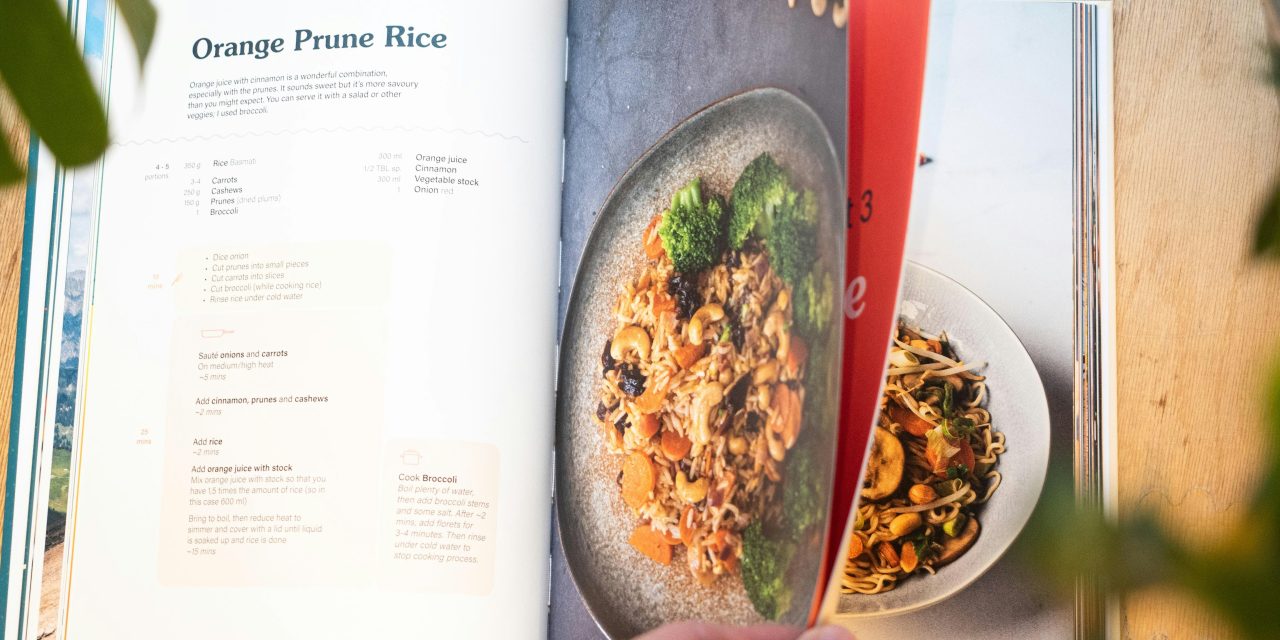
Selecting fresh, whole ingredients is fundamental to a nutritious diet. Whole foods, such as fruits, vegetables, whole grains, nuts, and seeds, are minimally processed and retain their natural nutrients. These foods are rich in vitamins, minerals, and antioxidants, which play a crucial role in maintaining optimal health. For instance, fresh fruits like berries and citrus are packed with vitamin C and flavonoids that bolster the immune system and combat oxidative stress. Whole grains, such as quinoa and brown rice, provide essential fiber that aids digestion and promotes satiety.
Incorporating fresh ingredients into daily meals not only enhances nutritional value but also improves flavor and texture. The vibrant colors and varied textures of whole foods can make meals more appealing and satisfying. When shopping for groceries, prioritize seasonal produce to ensure maximum freshness and flavor. Local farmers’ markets often offer a wide selection of fresh fruits and vegetables that are harvested at their peak ripeness. By choosing whole ingredients, individuals can significantly reduce their intake of preservatives and artificial additives commonly found in processed foods.
Incorporate a Variety of Colorful Vegetables
The inclusion of a diverse array of colorful vegetables in one’s diet is essential for achieving a well-rounded nutritional profile. Each color represents different phytonutrients that contribute to health benefits. For example, red vegetables like tomatoes and red bell peppers are rich in lycopene, which has been linked to reduced risk of certain cancers. Green vegetables such as spinach and kale are high in chlorophyll and vitamins A, C, and K, promoting healthy vision and bone strength.
To maximize the health benefits of vegetables, aim to fill half your plate with a variety of colors at each meal. This not only ensures a broad spectrum of nutrients but also enhances the visual appeal of dishes. Creative cooking methods such as roasting or grilling can bring out the natural sweetness of vegetables while preserving their nutritional integrity. Experimenting with different combinations can lead to exciting culinary experiences while promoting overall health.
Opt for Healthy Cooking Oils

The choice of cooking oils can significantly impact the nutritional quality of meals. Healthy fats are essential for various bodily functions, including hormone production and nutrient absorption. Oils such as olive oil, avocado oil, and coconut oil are excellent options due to their beneficial fatty acid profiles. Olive oil, particularly extra virgin olive oil, is rich in monounsaturated fats and antioxidants that support heart health and reduce inflammation.
When selecting cooking oils, it is crucial to consider their smoke points to prevent the formation of harmful compounds during cooking. For high-heat cooking methods like frying or sautéing, oils with higher smoke points such as avocado oil or refined coconut oil are preferable. Conversely, for dressings or low-heat applications, extra virgin olive oil is ideal due to its robust flavor and health benefits. By incorporating healthy oils into meals, individuals can enhance flavor while supporting overall well-being.
Use Herbs and Spices to Enhance Flavor

Herbs and spices are powerful allies in the kitchen that can elevate the flavor profile of dishes without the need for excessive salt or sugar. Many herbs and spices possess anti-inflammatory and antioxidant properties that contribute to overall health. For instance, turmeric contains curcumin, known for its potent anti-inflammatory effects, while garlic has been shown to support cardiovascular health.
Incorporating a variety of herbs and spices into cooking not only enhances taste but also encourages creativity in meal preparation. Fresh herbs like basil, cilantro, and parsley can add brightness to salads and sauces, while dried spices such as cumin, paprika, and cinnamon can transform the flavor of meats and grains. Experimenting with different combinations can lead to unique culinary creations that promote health without sacrificing taste.
Limit Added Sugars and Salt
Reducing the intake of added sugars and salt is crucial for maintaining optimal health and preventing chronic diseases. Excessive sugar consumption is linked to obesity, type 2 diabetes, and cardiovascular diseases. Foods high in added sugars often provide empty calories without essential nutrients. Instead of sugary snacks or beverages, opt for naturally sweet options like fruits or homemade smoothies.
Similarly, high sodium intake is associated with hypertension and increased risk of heart disease. To limit salt consumption, focus on using herbs, spices, and citrus juices to enhance flavor instead of relying on salt. Reading food labels can help identify hidden sources of added sugars and sodium in processed foods. By making conscious choices to limit these ingredients, individuals can significantly improve their overall health outcomes.
Practice Portion Control
Practicing portion control is vital for maintaining a healthy weight and preventing overeating. Understanding serving sizes can help individuals make informed decisions about how much food to consume at each meal. Utilizing smaller plates or bowls can create the illusion of a fuller plate while naturally reducing portion sizes.
Mindful eating practices also play a significant role in portion control. Taking time to savor each bite allows individuals to recognize hunger cues more effectively and prevents mindless eating. Paying attention to feelings of fullness can help prevent excessive calorie intake. By adopting portion control strategies, individuals can enjoy their favorite foods while maintaining a balanced diet.
Cook with Lean Proteins
Incorporating lean proteins into meals is essential for muscle maintenance and overall health. Lean protein sources such as chicken breast, turkey, fish, legumes, and tofu provide essential amino acids without excessive saturated fat. Fish like salmon is particularly beneficial due to its omega-3 fatty acids that support heart health.
When preparing meals, consider grilling, baking, or steaming proteins instead of frying to minimize added fats. Additionally, combining plant-based proteins with whole grains can create complete protein sources that provide all essential amino acids necessary for optimal health. By prioritizing lean proteins in meal planning, individuals can support muscle growth while promoting overall wellness.
Use Cooking Methods That Preserve Nutrients
The cooking methods employed can significantly affect the nutrient content of foods. Techniques such as steaming, sautéing, or roasting tend to preserve more vitamins and minerals compared to boiling or deep-frying. Steaming vegetables helps retain water-soluble vitamins like vitamin C that may be lost during prolonged cooking times.
Additionally, using minimal water during cooking can help preserve nutrients that leach into cooking water. When preparing grains or legumes, consider using broth instead of water for added flavor without sacrificing nutritional value. By choosing cooking methods that prioritize nutrient preservation, individuals can maximize the health benefits of their meals.
Prepare Meals in Advance for Better Choices
Meal preparation is an effective strategy for promoting healthier eating habits throughout the week. By dedicating time to plan and prepare meals in advance, individuals can avoid impulsive food choices driven by convenience or hunger. Preparing balanced meals ahead of time allows for better control over ingredients and portion sizes.
Batch cooking staples such as grains, proteins, and roasted vegetables can simplify meal assembly during busy weekdays. Storing pre-portioned meals in containers makes it easy to grab nutritious options on the go. Additionally, having healthy snacks readily available can prevent reaching for unhealthy alternatives when hunger strikes.
Avoid Processed and Pre-Packaged Foods
Processed and pre-packaged foods often contain high levels of preservatives, unhealthy fats, added sugars, and sodium that can detract from overall health. These foods typically lack essential nutrients found in whole foods and may contribute to chronic health issues over time. Instead of relying on convenience foods, focus on preparing meals from scratch using fresh ingredients.
Reading food labels carefully can help identify processed items that may seem healthy but contain hidden additives or excessive sodium levels. Opting for whole food alternatives not only enhances nutritional intake but also fosters a deeper connection with food preparation and cooking practices.
Stay Hydrated and Pair Meals with Healthy Beverages
Hydration plays a critical role in overall health and well-being. Water is essential for various bodily functions including digestion, nutrient absorption, and temperature regulation. It is recommended that adults consume at least 8-10 cups (2-2.5 liters) of water daily; however, individual needs may vary based on activity levels and climate.
Pairing meals with healthy beverages such as herbal teas or infused water can enhance hydration while providing additional nutrients without added sugars or calories. Avoid sugary drinks like sodas or energy drinks that contribute empty calories without nutritional benefits. By prioritizing hydration alongside nutritious meals, individuals can support optimal bodily functions.
In summary, adopting a holistic approach to nutrition involves selecting fresh ingredients, incorporating colorful vegetables, opting for healthy fats, utilizing herbs and spices for flavor enhancement while limiting added sugars and salt intake. Practicing portion control alongside cooking with lean proteins using nutrient-preserving methods contributes significantly to overall health outcomes. Preparing meals in advance while avoiding processed foods ensures better dietary choices while staying hydrated with healthy beverages supports bodily functions effectively. By implementing these strategies into daily routines, individuals can cultivate healthier eating habits that promote long-term wellness.
FAQs
What are the benefits of healthy cooking?
Healthy cooking can lead to numerous benefits, including improved overall health, weight management, and reduced risk of chronic diseases such as heart disease and diabetes. It also promotes better nutrition by incorporating a variety of fruits, vegetables, whole grains, and lean proteins into meals, which can enhance energy levels and improve mood.
What are some healthy cooking methods?
Some healthy cooking methods include steaming, grilling, baking, roasting, and sautéing with minimal oil. These techniques help retain nutrients in food while reducing the need for added fats and sugars, making meals healthier without sacrificing flavor.
How can I make my meals healthier without sacrificing taste?
You can make meals healthier by using herbs and spices for flavor instead of salt or sugar, opting for whole grains instead of refined grains, and incorporating more vegetables into your dishes. Experimenting with different cooking methods and recipes can also help maintain taste while enhancing nutritional value.
What ingredients should I focus on when cooking healthy meals?
When cooking healthy meals, focus on incorporating whole foods such as fresh fruits and vegetables, lean proteins (like chicken, fish, beans, and legumes), whole grains (such as brown rice and quinoa), and healthy fats (like olive oil and avocados). These ingredients provide essential nutrients and promote overall health.
Are there any specific dietary guidelines to follow for healthy cooking?
Yes, dietary guidelines often recommend balancing your plate with a variety of food groups: fill half your plate with fruits and vegetables, one-quarter with lean proteins, and one-quarter with whole grains. Additionally, limit added sugars, saturated fats, and sodium to promote better health outcomes.