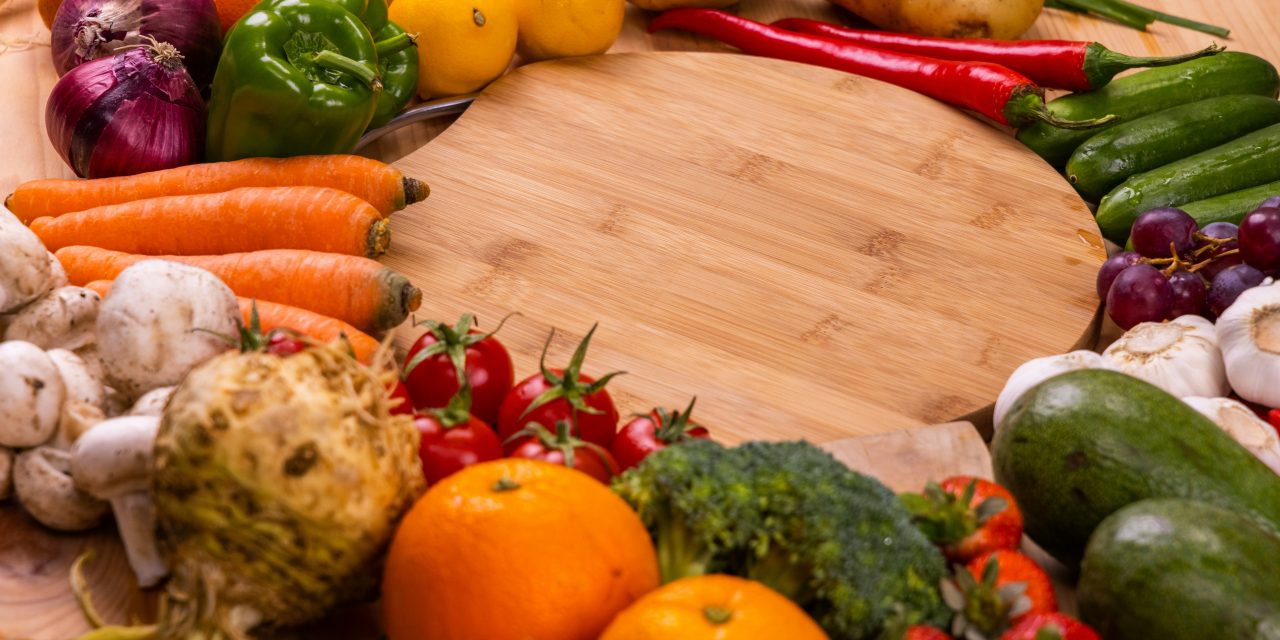
Food safety is a critical aspect of public health that encompasses various practices aimed at preventing foodborne illnesses. According to the World Health Organization (WHO), an estimated 600 million people fall ill after consuming contaminated food each year, leading to approximately 420,000 deaths globally. The significance of food safety cannot be overstated, as it directly impacts individual health, economic stability, and overall community well-being. Ensuring that food is safe to eat involves understanding the potential hazards associated with food production, preparation, and consumption.
The importance of food safety extends beyond individual households; it is a collective responsibility that involves farmers, manufacturers, distributors, and consumers. By adhering to established safety protocols, we can mitigate the risks associated with pathogens, chemicals, and allergens that may compromise food integrity. Education and awareness about food safety practices are essential in fostering a culture of prevention and vigilance against foodborne diseases.
Always Wash Your Hands Thoroughly
Hand hygiene is one of the most effective measures to prevent the transmission of pathogens in the kitchen. The Centers for Disease Control and Prevention (CDC) recommends washing hands with soap and water for at least 20 seconds before and after handling food, especially raw meat, poultry, or seafood. This simple yet crucial practice helps eliminate harmful microorganisms that can lead to foodborne illnesses.
In addition to washing hands before food preparation, it is equally important to wash them after using the restroom, handling pets, or touching any surfaces that may harbor bacteria. Utilizing hand sanitizers with at least 60% alcohol can serve as an additional layer of protection when soap and water are not readily available. By prioritizing hand hygiene, individuals can significantly reduce the risk of cross-contamination and safeguard their health.
Keep Raw and Cooked Foods Separate

Maintaining separation between raw and cooked foods is vital in preventing cross-contamination. Raw foods, particularly meats, poultry, and seafood, often harbor harmful bacteria such as Salmonella and E. coli. When these raw items come into contact with cooked foods or ready-to-eat items, there is a significant risk of transferring pathogens that can lead to severe gastrointestinal illnesses.
To effectively manage this risk, it is advisable to use separate cutting boards and utensils for raw and cooked foods. Color-coded cutting boards can be particularly useful in distinguishing between different food types. Additionally, storing raw meats on the bottom shelf of the refrigerator prevents any juices from dripping onto other foods. By implementing these practices, individuals can create a safer cooking environment and minimize the likelihood of foodborne illnesses.
Use a Food Thermometer to Ensure Proper Cooking

Cooking food to the appropriate internal temperature is essential for killing harmful bacteria that may be present. The USDA provides specific temperature guidelines for various types of food: poultry should reach an internal temperature of 165°F (74°C), ground meats should be cooked to at least 160°F (71°C), and whole cuts of beef, pork, lamb, and veal should reach a minimum of 145°F (63°C). Utilizing a food thermometer is the most reliable method for ensuring that foods are cooked thoroughly.
In addition to preventing foodborne illnesses, proper cooking temperatures also enhance the flavor and texture of dishes. Undercooked meats can result in a chewy or unpalatable experience, while overcooked items may become dry and less enjoyable. By investing in a quality food thermometer and adhering to recommended cooking temperatures, individuals can ensure both safety and satisfaction in their culinary endeavors.
Store Foods at Safe Temperatures
Proper food storage is crucial in maintaining food safety and quality. The USDA recommends keeping perishable foods refrigerated at or below 40°F (4°C) to inhibit bacterial growth. Additionally, cooked foods should be cooled down to room temperature before being placed in the refrigerator to prevent condensation that can promote bacterial proliferation.
Freezing is another effective method for preserving food safety. Foods should be stored at 0°F (-18°C) or lower to maintain their quality and prevent spoilage. It is essential to label frozen items with dates to ensure they are consumed within a safe timeframe. By adhering to these temperature guidelines, individuals can significantly reduce the risk of foodborne illnesses while extending the shelf life of their ingredients.
Avoid Cross-Contamination in the Kitchen
Cross-contamination occurs when harmful microorganisms are transferred from one surface or food item to another. This can happen through various means, such as using the same cutting board for raw meat and vegetables or failing to clean utensils between uses. To prevent cross-contamination, it is essential to implement strict kitchen hygiene practices.
One effective strategy is to designate specific utensils and cutting boards for raw foods versus ready-to-eat items. Additionally, regularly sanitizing surfaces with appropriate cleaning agents can help eliminate any lingering pathogens. It is also advisable to wash hands frequently during food preparation to minimize the risk of transferring bacteria from one item to another. By being vigilant about cross-contamination, individuals can create a safer cooking environment for themselves and their families.
Clean and Sanitize Kitchen Surfaces Regularly
Regular cleaning and sanitizing of kitchen surfaces are fundamental components of food safety practices. Bacteria can thrive on countertops, cutting boards, and other surfaces if not properly maintained. The CDC recommends using hot soapy water followed by a sanitizing solution—such as a mixture of one tablespoon of unscented liquid chlorine bleach per gallon of water—to effectively eliminate harmful microorganisms.
It is essential to clean surfaces before preparing any food items and after handling raw ingredients. High-touch areas such as faucet handles, refrigerator doors, and cabinet knobs should also be included in routine cleaning schedules. By establishing a consistent cleaning regimen, individuals can significantly reduce the risk of contamination and promote a healthier kitchen environment.
Properly Thaw Frozen Foods
Thawing frozen foods safely is crucial in preventing bacterial growth that can occur when foods are left at room temperature for extended periods. The USDA recommends three safe methods for thawing: in the refrigerator, in cold water, or in the microwave. Thawing in the refrigerator allows for gradual defrosting while maintaining a safe temperature; however, this method requires planning ahead due to longer thawing times.
Thawing in cold water involves sealing the food in a leak-proof plastic bag and submerging it in cold water, changing the water every 30 minutes until fully thawed. The microwave method is suitable for immediate cooking but requires careful monitoring to ensure even thawing without partially cooking the food. By following these guidelines for thawing frozen foods, individuals can minimize the risk of bacterial growth and ensure safe meal preparation.
Use Fresh and Quality Ingredients
The quality of ingredients plays a significant role in food safety and overall health. Fresh produce should be inspected for signs of spoilage or damage before purchase; bruised or moldy items may harbor harmful bacteria that can compromise safety. When selecting meats or dairy products, it is essential to choose items with clear expiration dates and proper packaging.
Incorporating fresh ingredients not only enhances flavor but also contributes to better nutritional value. Consuming high-quality foods reduces the likelihood of exposure to harmful additives or preservatives that may be present in processed items. By prioritizing fresh ingredients in meal preparation, individuals can promote both safety and health within their diets.
Be Mindful of Expiration Dates and Food Labels
Expiration dates serve as critical indicators of food safety and quality; however, many consumers often overlook them. Understanding different labeling terms—such as “sell by,” “use by,” and “best before”—is essential for making informed decisions about food consumption. “Sell by” dates indicate when products should be sold for optimal freshness; “use by” dates denote when items should be consumed for safety; while “best before” dates suggest peak quality but may not necessarily indicate spoilage.
It is advisable to regularly check pantry staples and refrigerated items for expiration dates before use. Discarding expired products helps prevent potential health risks associated with consuming spoiled or unsafe foods. By being vigilant about expiration dates and understanding food labels, individuals can make safer choices regarding their dietary habits.
Practice Safe Food Handling When Serving and Storing Leftovers
Leftovers are a common aspect of meal preparation; however, improper handling can lead to foodborne illnesses if not managed correctly. After serving meals, it is crucial to refrigerate leftovers within two hours to prevent bacterial growth. Foods should be stored in shallow containers to facilitate rapid cooling.
When reheating leftovers, it is essential to ensure they reach an internal temperature of 165°F (74°C) before consumption. This practice effectively kills any bacteria that may have developed during storage. Additionally, leftovers should be consumed within three to four days for optimal safety; otherwise, they should be discarded. By adhering to safe handling practices for leftovers, individuals can enjoy their meals while minimizing health risks.
In summary, understanding food safety is paramount in preventing foodborne illnesses that affect millions worldwide each year. Key practices include thorough handwashing, separating raw and cooked foods, using thermometers for proper cooking temperatures, storing foods at safe temperatures, avoiding cross-contamination, regularly cleaning surfaces, properly thawing frozen items, using fresh ingredients, being mindful of expiration dates, and practicing safe handling when serving leftovers. By implementing these strategies consistently, individuals can create a safer kitchen environment while promoting overall health and well-being within their households.
FAQs
What are the basic principles of food safety?
The basic principles of food safety include cleanliness, separation, cooking, and chilling. Cleanliness involves washing hands, surfaces, and fruits and vegetables to prevent contamination. Separation means keeping raw and cooked foods apart to avoid cross-contamination. Cooking refers to ensuring food is cooked to the appropriate temperature to kill harmful bacteria, while chilling involves storing food at safe temperatures to slow bacterial growth.
Why is it important to wash hands before handling food?
Washing hands before handling food is crucial because it helps remove dirt, bacteria, and viruses that can contaminate food. Proper hand hygiene reduces the risk of foodborne illnesses, which can occur when harmful pathogens are transferred from hands to food during preparation or serving.
What temperature should food be cooked to for safety?
Food should be cooked to specific internal temperatures to ensure safety. For example, poultry should reach an internal temperature of 165°F (74°C), ground meats should be cooked to at least 160°F (71°C), and whole cuts of beef, pork, and lamb should be cooked to a minimum of 145°F (63°C). Using a food thermometer is the best way to ensure these temperatures are achieved.
How should leftovers be stored to ensure food safety?
Leftovers should be stored in airtight containers and refrigerated within two hours of cooking. They should be kept at a temperature of 40°F (4°C) or below. Leftovers can be safely consumed within three to four days if stored properly. For longer storage, leftovers can be frozen, which can extend their shelf life for several months.
What are the signs of food spoilage?
Signs of food spoilage include changes in color, texture, and smell. For example, fruits and vegetables may become mushy or develop dark spots, while meat may turn a dull color or develop an off odor. Additionally, the presence of mold or an unusual taste can indicate that food has spoiled and should not be consumed.