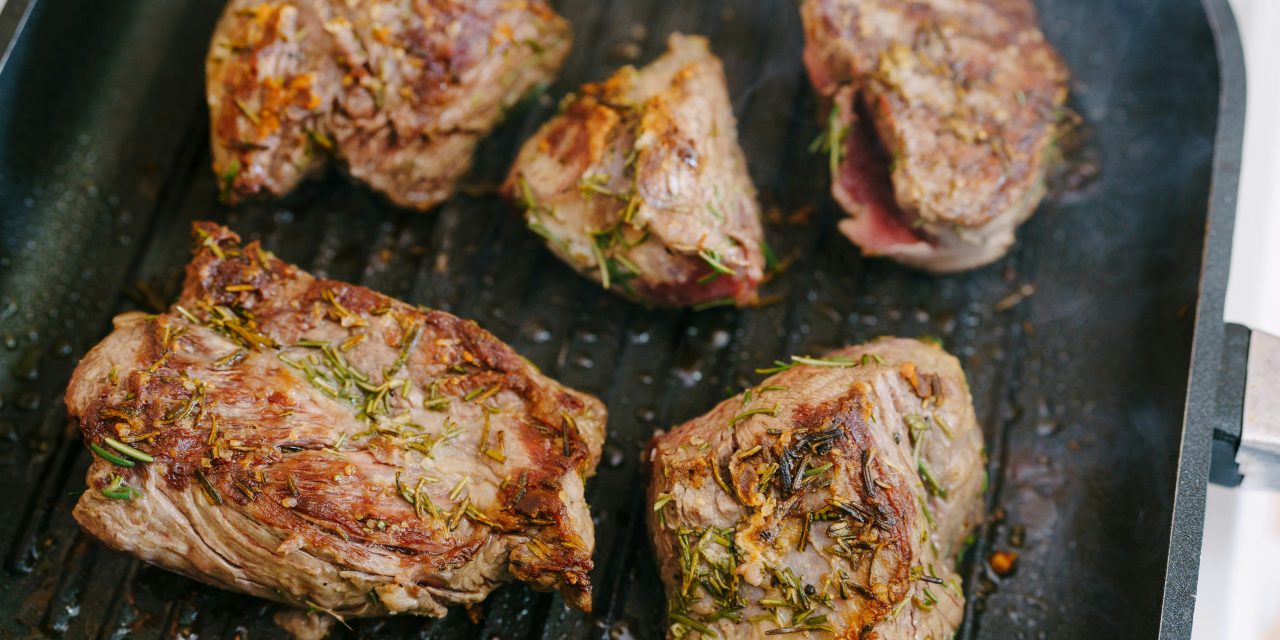
Resting meat is a culinary technique that involves allowing cooked meat to sit undisturbed for a specific period before slicing or serving. This practice is crucial for achieving optimal texture and flavor in various types of meat, including beef, pork, poultry, and lamb. The primary purpose of resting is to allow the juices within the meat to redistribute evenly throughout the muscle fibers, resulting in a more succulent and flavorful final product. When meat is cooked, the heat causes the proteins to contract, pushing the juices toward the center. If the meat is cut immediately after cooking, these juices will escape, leading to a dry and less palatable dish.
The concept of resting is not merely a suggestion but a fundamental principle in meat preparation that can significantly impact the overall dining experience. Understanding this process can elevate home cooking and professional culinary practices alike. By allowing meat to rest, cooks can ensure that each bite is tender and juicy, enhancing both flavor and texture. This technique is particularly important for larger cuts of meat, which require more time to rest compared to smaller pieces.
The Science Behind Meat Resting
The science behind resting meat is rooted in the principles of thermodynamics and fluid dynamics. When meat is subjected to high temperatures during cooking, the proteins undergo denaturation, causing them to lose their original structure. This process leads to the expulsion of moisture from the muscle fibers. As the meat cools during the resting phase, the proteins begin to relax, allowing the juices that were forced out during cooking to be reabsorbed into the fibers.
Research indicates that resting meat can lead to a significant reduction in moisture loss. Studies have shown that resting can decrease juice loss by up to 30%, depending on the type of meat and its size. This phenomenon occurs because the temperature gradient between the outer layers of meat and its core begins to equalize during resting. As a result, the outer layers cool down while the inner portions continue to cook slightly due to residual heat, a process known as carryover cooking.
How Resting Affects Meat Juiciness and Flavor

The impact of resting on meat juiciness and flavor cannot be overstated. When meat is allowed to rest, it retains more moisture, resulting in a juicier final product. Juiciness is a critical factor in determining the overall enjoyment of meat dishes; it enhances mouthfeel and contributes to a satisfying eating experience. Furthermore, resting allows for flavor compounds to meld and develop more fully, enriching the overall taste profile.
Flavor enhancement during resting occurs due to several factors. First, as juices redistribute throughout the meat, they carry with them concentrated flavors that were initially trapped within the muscle fibers. Second, resting allows for enzymatic reactions to continue, which can further enhance flavor complexity. For instance, certain enzymes break down proteins into amino acids and peptides that contribute to umami flavors. Therefore, allowing meat to rest not only preserves its moisture but also amplifies its inherent flavors.
Ideal Resting Times for Different Types of Meat

The ideal resting time varies depending on the type and size of the meat being cooked. For smaller cuts such as chicken breasts or pork chops, a resting period of 5 to 10 minutes is generally sufficient. In contrast, larger cuts like roasts or whole turkeys benefit from longer resting times, typically ranging from 15 to 30 minutes or even longer for particularly large pieces.
For example, a beef ribeye steak should rest for about 10 minutes after cooking, while a whole beef tenderloin may require up to 20 minutes. Poultry, such as a whole chicken or turkey, should rest for at least 20 minutes to allow juices to redistribute effectively. It is essential to consider both the size and thickness of the cut when determining resting times; thicker cuts will require longer periods compared to thinner ones.
Techniques for Resting Meat Properly
Proper techniques for resting meat can significantly influence the outcome of your dish. One effective method is to place the cooked meat on a cutting board or plate and cover it loosely with aluminum foil or parchment paper. This covering helps retain heat while preventing excessive moisture loss. It is crucial not to wrap the meat too tightly, as this can create steam and lead to sogginess.
Another technique involves using a warming drawer or an oven set to low temperatures (around 150°F or 65°C) to keep the meat warm while it rests. This method is particularly useful for larger cuts that require extended resting times. Additionally, placing a small dish of water in the oven can help maintain humidity levels, further preventing moisture loss during this critical phase.
The Role of Carryover Cooking During Rest
Carryover cooking refers to the phenomenon where food continues to cook even after being removed from heat due to residual heat retained within its structure. This effect is particularly pronounced in larger cuts of meat, where internal temperatures can rise by as much as 5°F (2-3°C) during resting. Understanding carryover cooking is essential for achieving desired doneness levels without overcooking.
To account for carryover cooking, it is advisable to remove meat from heat when it is approximately 5°F (2-3°C) below the target internal temperature. For instance, if you aim for a medium-rare steak at 135°F (57°C), you should take it off the grill or pan when it reaches around 130°F (54°C). This approach ensures that the final temperature aligns with your desired doneness while maximizing juiciness and flavor retention.
Common Mistakes to Avoid When Resting Meat
Several common mistakes can undermine the benefits of resting meat. One prevalent error is cutting into the meat too soon after cooking. This practice leads to significant juice loss and results in a dry texture. It is essential to resist the temptation to slice immediately; patience pays off in terms of flavor and juiciness.
Another mistake involves wrapping meat too tightly during resting. While covering helps retain heat, excessive wrapping can trap steam and create a soggy exterior. Instead, opt for loose coverings that allow some airflow while still providing insulation. Additionally, neglecting to account for carryover cooking can lead to overcooked meat; always monitor internal temperatures closely.
Using Foil and Other Coverings: Pros and Cons
Using aluminum foil or other coverings during resting has its advantages and disadvantages. On one hand, covering meat with foil helps retain warmth and prevents it from cooling too quickly. This method is particularly beneficial for larger cuts that require extended resting periods. However, if wrapped too tightly, foil can trap steam and lead to a loss of desirable texture.
Alternatives such as parchment paper or clean kitchen towels can also be effective for covering rested meat without creating excess moisture buildup. These materials allow for some airflow while still providing insulation. Ultimately, choosing the right covering depends on personal preference and the specific type of meat being rested.
Resting techniques may vary depending on the cooking method employed. For grilled meats, it is essential to allow them to rest on a cutting board or plate away from direct heat sources. This practice prevents continued cooking from residual grill heat while allowing juices to redistribute effectively.
In contrast, roasted meats benefit from being removed from the oven and placed on a cutting board or platter for resting. The oven’s residual heat can continue cooking the exterior while allowing internal juices to settle evenly throughout the cut. Regardless of cooking method, adhering to proper resting techniques ensures optimal flavor and texture in every dish.
How to Carve Meat After Resting for Best Results
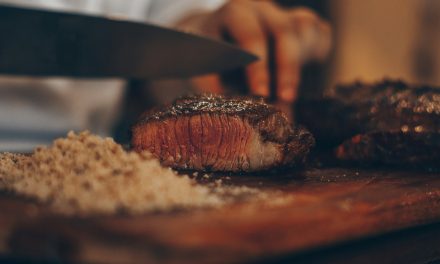
Carving rested meat requires careful attention to technique in order to maximize tenderness and presentation. Begin by using a sharp carving knife or chef’s knife; dull blades can tear fibers rather than slice cleanly. For larger cuts like roasts or turkeys, it is advisable to let them rest before carving into manageable portions.
When slicing against the grain—meaning perpendicular to the direction of muscle fibers—you enhance tenderness by shortening fiber lengths in each bite. For example, when carving beef roasts or pork loin, identify the grain direction before making your cuts. This technique ensures that each slice remains juicy and easy to chew.
Tips for Serving Rested Meat at Optimal Temperature
Serving rested meat at optimal temperature enhances both flavor and enjoyment during mealtime. Ideally, meats should be served warm but not hot; excessively high temperatures can mask flavors and make textures less enjoyable. Aim for serving temperatures around 130°F (54°C) for medium-rare beef or lamb and approximately 165°F (74°C) for poultry.
To maintain optimal serving temperatures without compromising quality, consider using warming trays or preheated serving platters when presenting dishes at gatherings or events. Additionally, avoid stacking slices too closely together on plates; this practice can trap heat and lead to overcooking.
In summary, understanding the importance of resting meat is essential for achieving juicy and flavorful results in culinary endeavors. By allowing cooked meats adequate time to rest before slicing or serving, cooks can enhance moisture retention and flavor development significantly. Employing proper techniques during this phase—such as covering loosely with foil or parchment paper—can further optimize outcomes across various cooking methods.
In conclusion, mastering the art of resting meat not only elevates home-cooked meals but also enhances professional culinary practices by ensuring that each dish served meets high standards of quality and taste.
FAQs
What does it mean to rest meat after cooking?
Resting meat refers to the practice of allowing cooked meat to sit for a period of time before slicing or serving. This process allows the juices within the meat to redistribute, resulting in a more flavorful and tender final product.
How long should meat be rested after cooking?
The resting time can vary depending on the size and type of meat. Generally, smaller cuts like steaks should rest for about 5 to 10 minutes, while larger cuts like roasts may benefit from resting for 15 to 30 minutes or even longer.
Why is resting meat important?
Resting meat is important because it helps to prevent the juices from running out when the meat is cut. When meat is cooked, the heat causes the juices to move toward the surface; resting allows these juices to redistribute throughout the meat, enhancing moisture and flavor.
Can resting meat improve its texture?
Yes, resting meat can improve its texture. As the meat rests, the muscle fibers relax, making the meat more tender. This is particularly beneficial for tougher cuts of meat that require longer cooking times.
Should meat be covered while resting?
It is generally recommended to loosely cover meat with aluminum foil while it rests. This helps retain heat without causing the meat to steam, which can lead to a loss of crispiness on the exterior.