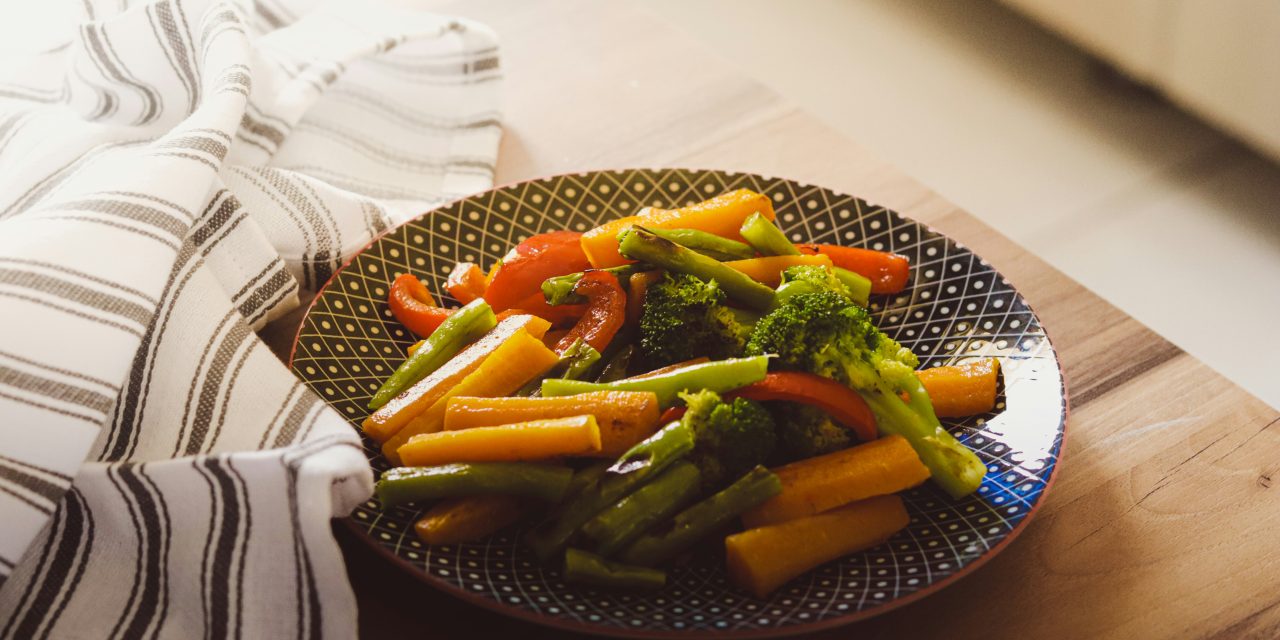
Selecting the appropriate vegetables is paramount for achieving a successful stir-fry. The ideal candidates are those that retain their texture and flavor when subjected to high heat. Cruciferous vegetables such as broccoli, cauliflower, and bok choy are excellent choices due to their sturdy structure. Leafy greens like spinach and kale can also be included, but they should be added later in the cooking process to prevent wilting. Other vegetables that work well include bell peppers, snap peas, carrots, and zucchini, which provide a vibrant color palette and a variety of textures.
When choosing vegetables, consider their cooking times. For instance, denser vegetables like carrots and bell peppers require longer cooking times compared to softer options like mushrooms or bean sprouts. A well-balanced stir-fry incorporates a mix of textures and flavors, ensuring that each bite is a delightful experience. Additionally, seasonal vegetables not only enhance the dish’s freshness but also contribute to sustainability by reducing the carbon footprint associated with transportation.
Preparing Vegetables: Cutting Techniques for Even Cooking
Proper preparation of vegetables is crucial for achieving uniform cooking in stir-frying. The way vegetables are cut can significantly influence their cooking time and texture. For instance, julienne cuts are ideal for carrots and bell peppers, as they allow for quick cooking while maintaining a satisfying crunch. On the other hand, larger chunks may be suitable for heartier vegetables like broccoli or cauliflower, which require more time to soften.
Moreover, consistency in size is essential; unevenly cut pieces can lead to some vegetables becoming overcooked while others remain underdone. A sharp knife is indispensable for achieving clean cuts, which not only enhances presentation but also aids in the cooking process. Additionally, using a cutting board with a non-slip surface can improve safety and efficiency during preparation.
The Importance of Drying Vegetables Before Cooking

Before embarking on the stir-frying journey, it is vital to ensure that vegetables are adequately dried. Excess moisture can lead to steaming rather than frying, resulting in a soggy texture that detracts from the overall quality of the dish. After washing vegetables, pat them dry with a clean kitchen towel or use a salad spinner to remove any residual water.
In some cases, particularly with leafy greens or mushrooms, it may be beneficial to let them air dry for a few minutes before cooking. This step not only enhances the crispness of the final product but also allows for better absorption of flavors from sauces and seasonings. By prioritizing this simple yet effective technique, cooks can elevate their stir-fry dishes significantly.
Selecting the Best Oil for High-Heat Stir-Frying

The choice of oil plays a pivotal role in the success of stir-frying. Oils with high smoke points are essential for achieving that signature sear without imparting burnt flavors to the dish. Common options include peanut oil, grapeseed oil, and canola oil, all of which can withstand high temperatures without breaking down.
Peanut oil is particularly favored in Asian cuisine due to its nutty flavor and high smoke point of approximately 450°F (232°C). Alternatively, avocado oil has gained popularity for its health benefits and versatility, boasting a smoke point of around 520°F (271°C). When selecting an oil, consider both flavor profiles and health aspects; oils rich in monounsaturated fats can contribute positively to heart health while enhancing the dish’s overall taste.
Preheating the Wok or Pan Properly
Preheating the wok or pan is a critical step that should not be overlooked. A properly heated cooking surface ensures that vegetables sear quickly upon contact, sealing in their natural juices and flavors. To achieve optimal results, heat the wok or pan over medium-high heat for several minutes before adding oil.
Once the oil is added, it should shimmer but not smoke excessively; this indicates that it has reached the ideal temperature for stir-frying. A well-preheated surface allows for even cooking and prevents sticking, making it easier to achieve that coveted crispy texture. Investing time in this step will yield significant dividends in terms of flavor and presentation.
Cooking Vegetables in Batches to Avoid Overcrowding
Overcrowding the pan is a common mistake that can lead to uneven cooking and undesirable textures. When too many vegetables are added at once, they release moisture, resulting in steaming rather than frying. To avoid this pitfall, it is advisable to cook vegetables in batches.
By dividing the ingredients into smaller portions, each piece has ample space to sear properly. This technique not only enhances flavor but also preserves the vibrant colors and crispness of the vegetables. After cooking each batch, transfer them to a plate while continuing with the next portion; this ensures that all components maintain their integrity until combined at the end.
Using High Heat to Seal in Crispness
High heat is essential for achieving that signature stir-fry crispness. The intense temperature allows for rapid cooking while sealing in moisture and flavor within each vegetable piece. When stir-frying, aim for a temperature range between 400°F (204°C) and 450°F (232°C) to achieve optimal results.
Utilizing high heat also facilitates the Maillard reaction, which enhances flavor development through browning. This reaction occurs when amino acids and sugars react under heat, creating complex flavors that elevate the dish’s overall profile. However, it is crucial to monitor cooking closely; high heat requires constant attention to prevent burning or overcooking.
Timing: Adding Vegetables in the Right Order
The order in which vegetables are added during stir-frying significantly impacts their texture and flavor development. Start with denser vegetables that require longer cooking times, such as carrots or broccoli. After a few minutes, gradually introduce softer options like bell peppers or snap peas.
Leafy greens should be added last since they wilt quickly and require minimal cooking time. This strategic approach ensures that each vegetable reaches its ideal level of doneness without compromising texture or flavor. By mastering timing, cooks can create harmonious blends of ingredients that showcase each vegetable’s unique characteristics.
Stirring Techniques to Prevent Sogginess
Stirring techniques are vital for maintaining crispness during stir-frying. A common mistake is stirring too frequently or aggressively, which can lead to mushy vegetables. Instead, employ gentle tossing motions using a spatula or wooden spoon to ensure even cooking without damaging delicate pieces.
Allowing vegetables to sit undisturbed for brief intervals enables them to develop a slight char while retaining their crunchiness. This technique not only enhances flavor but also contributes to an appealing visual presentation. By mastering stirring techniques, cooks can achieve that perfect balance between tenderness and crispness.
Incorporating Sauces Without Diluting the Texture
Sauces are integral to enhancing flavor in stir-fried dishes; however, incorporating them requires finesse to avoid diluting texture. Begin by adding sauces towards the end of cooking when vegetables are nearly done; this prevents over-saturation and maintains crispness.
Consider using cornstarch slurry or reduced sauces to thicken consistency without compromising texture. A well-balanced sauce should complement rather than overpower the natural flavors of the vegetables. Experimenting with various combinations of soy sauce, oyster sauce, or sesame oil can yield delightful results while preserving the integrity of each ingredient.
Finishing Touches: Enhancing Flavor Without Moisture Build-Up
The final touches can elevate a stir-fry from ordinary to extraordinary without introducing excess moisture. Consider garnishing with fresh herbs such as cilantro or basil just before serving; these aromatic additions enhance flavor profiles without compromising texture.
Additionally, toasted sesame seeds or crushed nuts can provide a satisfying crunch while adding depth to the dish. A drizzle of citrus juice or a sprinkle of zest can brighten flavors without introducing unwanted moisture. By focusing on finishing touches that enhance rather than detract from texture, cooks can create memorable stir-fry experiences.
In summary, mastering the art of stir-frying involves careful selection of vegetables, precise cutting techniques, proper drying methods, and thoughtful incorporation of oils and sauces. By preheating pans adequately and avoiding overcrowding through batch cooking, one can achieve optimal results with high heat while maintaining crispness and flavor integrity throughout the process. Timing plays a crucial role in ensuring even cooking among various vegetable types while employing gentle stirring techniques prevents sogginess. Finally, finishing touches enhance flavor without compromising texture—creating an unforgettable culinary experience that celebrates vibrant ingredients and harmonious flavors.
FAQs
What is the best type of oil to use for stir-frying vegetables?
The best types of oil for stir-frying vegetables are those with a high smoke point, such as vegetable oil, canola oil, peanut oil, or grapeseed oil. These oils can withstand high temperatures without burning, which is essential for achieving a good stir-fry texture.
How can I prevent vegetables from becoming soggy during stir-frying?
To prevent vegetables from becoming soggy, ensure that they are cut into uniform sizes for even cooking, avoid overcrowding the pan, and use high heat. Additionally, cooking in small batches allows for better heat distribution and moisture evaporation.
Should I blanch vegetables before stir-frying?
Blanching vegetables before stir-frying can help maintain their color and texture. Briefly boiling them and then plunging them into ice water can partially cook them, making them crispier when stir-fried. However, this step is optional and depends on the type of vegetable and personal preference.
What types of vegetables are best for stir-frying?
Vegetables that are best for stir-frying include bell peppers, broccoli, snap peas, carrots, and zucchini. These vegetables tend to retain their crunch and flavor when cooked quickly at high temperatures, making them ideal for this cooking method.
How long should I stir-fry vegetables for optimal texture?
The optimal stir-frying time for vegetables typically ranges from 3 to 7 minutes, depending on the type and size of the vegetables. It’s important to stir frequently and monitor them closely to achieve a tender-crisp texture without overcooking.