Cooking white rice is a fundamental culinary skill that serves as a cornerstone in various cuisines worldwide. This staple food is not only versatile but also provides a blank canvas for an array of flavors and textures. White rice, primarily composed of carbohydrates, is a quick source of energy and is often enriched with vitamins and minerals. Understanding the basic principles of cooking this grain can elevate your culinary repertoire and ensure that you achieve the perfect texture and flavor every time.
The process of cooking white rice involves several critical steps, each contributing to the final outcome. From selecting the right type of rice to mastering the cooking technique, every detail matters. The goal is to achieve fluffy, separate grains that are neither mushy nor undercooked. Mastering these fundamentals will not only enhance your cooking skills but also allow you to appreciate the nuances of this simple yet essential ingredient.
Choosing the Right Type of White Rice
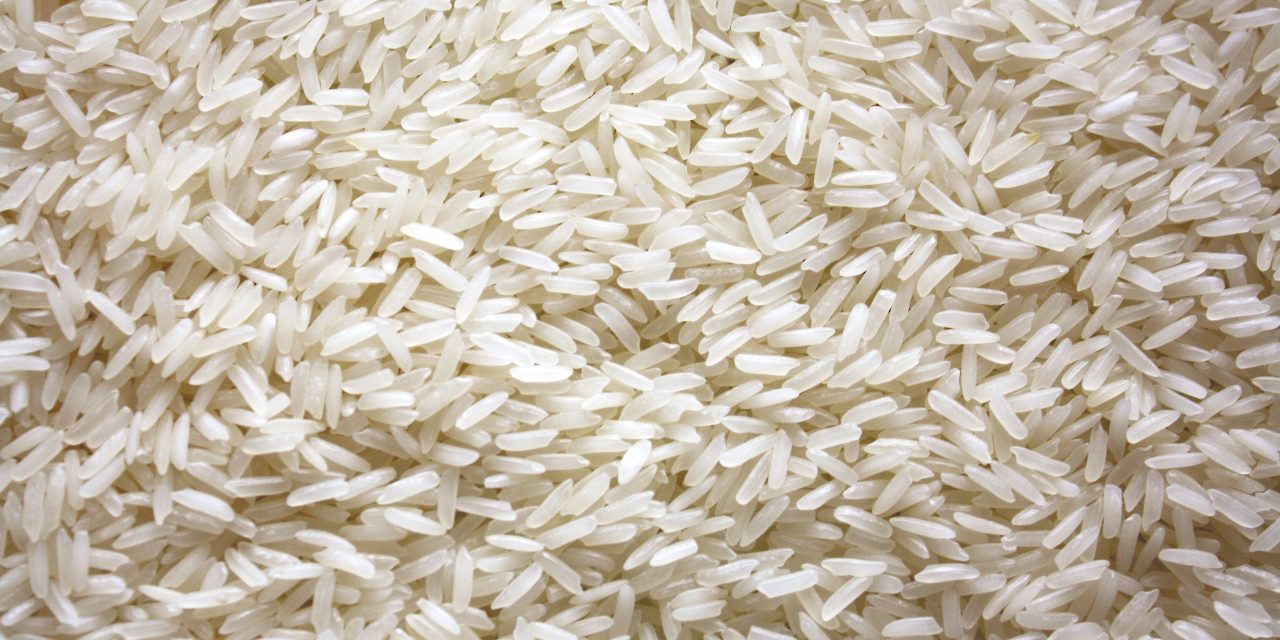
Selecting the appropriate type of white rice is crucial for achieving the desired texture and flavor in your dishes. There are several varieties available, each with unique characteristics. Long-grain rice, such as Basmati or Jasmine, tends to remain fluffy and separate when cooked, making it ideal for pilafs or as a side dish. Medium-grain rice, like Arborio, is often used in risottos due to its creamy texture when cooked. Short-grain rice, such as sushi rice, is sticky and clumps together, making it perfect for sushi or rice balls.
When choosing white rice, consider the dish you plan to prepare. For instance, if you’re making a stir-fry, long-grain rice would be preferable for its ability to remain distinct. Conversely, if you’re preparing a comforting risotto, medium-grain rice will provide the creaminess you desire. Additionally, consider factors such as cooking time and nutritional content; some varieties may require longer cooking times or have different levels of starch.
Pre-Rinsing: Why and How to Wash Your Rice

Pre-rinsing white rice is an essential step that can significantly impact the final texture of your dish. Washing the rice removes excess surface starch, which can cause the grains to become gummy during cooking. By rinsing, you ensure that each grain remains distinct and fluffy, enhancing the overall quality of your meal.
To properly rinse your rice, place it in a fine-mesh strainer or bowl and run cold water over it. Gently agitate the grains with your fingers to help release the starch. Continue rinsing until the water runs clear, indicating that most of the excess starch has been removed. This simple yet effective technique can make a noticeable difference in the final product, ensuring that your white rice is light and airy.
Measuring the Perfect Rice-to-Water Ratio

Achieving the ideal rice-to-water ratio is paramount for successful cooking. The general guideline for white rice is a 1:2 ratio—one cup of rice to two cups of water. However, this can vary depending on the type of rice and your desired texture. For instance, some long-grain varieties may require slightly less water, while short-grain types may need a bit more.
To ensure accuracy, use a measuring cup specifically designed for dry ingredients. Additionally, consider factors such as altitude and humidity, which can affect cooking times and water absorption. Experimenting with different ratios can help you find the perfect balance for your preferred type of rice and cooking method.
Selecting the Ideal Cooking Pot and Lid
The choice of cooking pot plays a significant role in how well your white rice cooks. A heavy-bottomed pot with a tight-fitting lid is ideal for even heat distribution and moisture retention. Stainless steel or non-stick pots are excellent options, as they prevent sticking and allow for easy cleanup.
When selecting a lid, ensure it fits snugly to trap steam effectively during cooking. This steam is crucial for proper hydration of the rice grains. Avoid using a lid that allows steam to escape, as this can lead to uneven cooking and dry rice. Investing in quality cookware will enhance your cooking experience and yield better results.
Bringing Water to a Boil Before Adding Rice
Bringing water to a rolling boil before adding rice is an essential step that ensures even cooking and optimal texture. When water reaches boiling point, it creates an environment conducive to rapid hydration of the grains. This initial burst of heat helps to cook the outer layer of the rice quickly while allowing the interior to absorb moisture gradually.
To achieve this, bring your measured water to a boil in your chosen pot over high heat. Once boiling, add a pinch of salt for flavor if desired, then carefully add the rinsed rice. Stir briefly to prevent clumping before covering with the lid and reducing the heat to low. This technique sets the stage for perfectly cooked white rice.
Cooking Rice on Low Heat for Even Cooking
Once you’ve added the rice to boiling water, reducing the heat to low is crucial for even cooking. Cooking on low heat allows for gentle simmering, which promotes uniform hydration of each grain without causing them to burst or become mushy. This method also helps maintain the integrity of the grains while allowing them to absorb moisture gradually.
Covering the pot with a tight-fitting lid during this phase traps steam and heat inside, creating an ideal cooking environment. Avoid lifting the lid during cooking, as this releases steam and disrupts the cooking process. Allowing the rice to cook undisturbed ensures that each grain reaches its full potential.
Avoiding Stirring to Prevent Rice from Sticking
One common mistake when cooking white rice is stirring it during the cooking process. While it may seem intuitive to stir for even distribution, doing so can lead to broken grains and a sticky texture. The agitation releases starch from the grains, resulting in clumping rather than separation.
To prevent sticking, once you’ve added the rinsed rice to boiling water and covered it with a lid, resist the urge to stir until after cooking is complete. Allowing the rice to cook undisturbed will yield fluffy grains that are perfectly cooked and ready for serving.
Using a Timer for Accurate Cooking Duration
Timing is critical when it comes to cooking white rice accurately. Overcooking can lead to mushy grains, while undercooking can result in hard centers. To achieve perfect results every time, use a timer to monitor cooking duration closely.
For most types of white rice, a cooking time of approximately 18-20 minutes on low heat is standard; however, this may vary based on specific varieties or personal preferences. Once you set your timer, avoid lifting the lid until time is up—this will help maintain consistent temperature and moisture levels throughout the cooking process.
Letting the Rice Rest After Cooking
After your timer goes off, it’s essential to let the cooked rice rest before serving. This resting period allows residual steam to continue hydrating any remaining uncooked grains while also allowing excess moisture to evaporate. As a result, you’ll achieve an ideal texture that is neither too wet nor too dry.
To rest your rice effectively, remove it from heat but keep it covered for an additional 5-10 minutes. This step enhances flavor and texture while ensuring that each grain remains distinct and fluffy.
Fluffing the Rice Properly Before Serving
Fluffing cooked white rice is an important final step that enhances its presentation and texture before serving. Using a fork or a rice paddle, gently separate the grains without mashing them together. This technique helps release any trapped steam while ensuring that each grain remains intact.
Start from the edges of the pot and work your way toward the center using a gentle lifting motion rather than stirring vigorously. Fluffing not only improves appearance but also allows any remaining moisture to escape, resulting in perfectly cooked white rice ready for your favorite dishes.
In summary, mastering the art of cooking white rice involves understanding its fundamentals—from selecting the right type and pre-rinsing to achieving accurate measurements and timing during cooking. By following these detailed steps and techniques, you can consistently produce fluffy, delicious white rice that serves as an excellent accompaniment or base for various meals. Whether you’re preparing a simple side dish or an elaborate entrée, these principles will elevate your culinary skills and enhance your dining experience.
FAQs
What type of rice is best for cooking on the stove?
Long-grain white rice, such as basmati or jasmine, is often recommended for stove-top cooking as it tends to be less sticky compared to short-grain varieties. However, medium-grain rice can also work well if cooked properly.
How much water should I use for cooking white rice?
A common ratio for cooking white rice is 1 part rice to 2 parts water. For example, if you are cooking 1 cup of rice, you should use 2 cups of water. Adjustments may be needed based on the specific type of rice and your desired texture.
What steps can I take to prevent rice from sticking?
To prevent rice from sticking, rinse the rice under cold water before cooking to remove excess starch. Additionally, using a pot with a tight-fitting lid and allowing the rice to steam properly can help achieve a fluffy texture without sticking.
How long should I cook white rice on the stove?
White rice typically takes about 18-20 minutes to cook on the stove. After bringing the water to a boil, reduce the heat to low, cover the pot, and let it simmer until the water is absorbed and the rice is tender.
Can I add flavor to the rice while cooking?
Yes, you can enhance the flavor of the rice by cooking it in broth instead of water, or by adding seasonings such as salt, garlic, or herbs. Just be sure to adjust the liquid ratio accordingly if using broth.