Brown rice, a whole grain, is a staple in many diets around the world, revered for its nutritional profile and health benefits. Unlike its white counterpart, brown rice retains the bran and germ layers, which are rich in essential nutrients. This unrefined grain is an excellent source of dietary fiber, providing approximately 3.5 grams per cup when cooked. Fiber is crucial for digestive health, aiding in regular bowel movements and promoting a feeling of fullness, which can assist in weight management.
In addition to fiber, brown rice is packed with vital vitamins and minerals. It contains significant amounts of magnesium, phosphorus, and B vitamins such as niacin and thiamine. Magnesium plays a pivotal role in over 300 enzymatic reactions in the body, including energy production and muscle function. However, cooking brown rice can present challenges due to its tougher texture and longer cooking time compared to white rice. Understanding these aspects is essential for achieving the desired tenderness and flavor.
Choosing the Right Type of Brown Rice for Tender Results
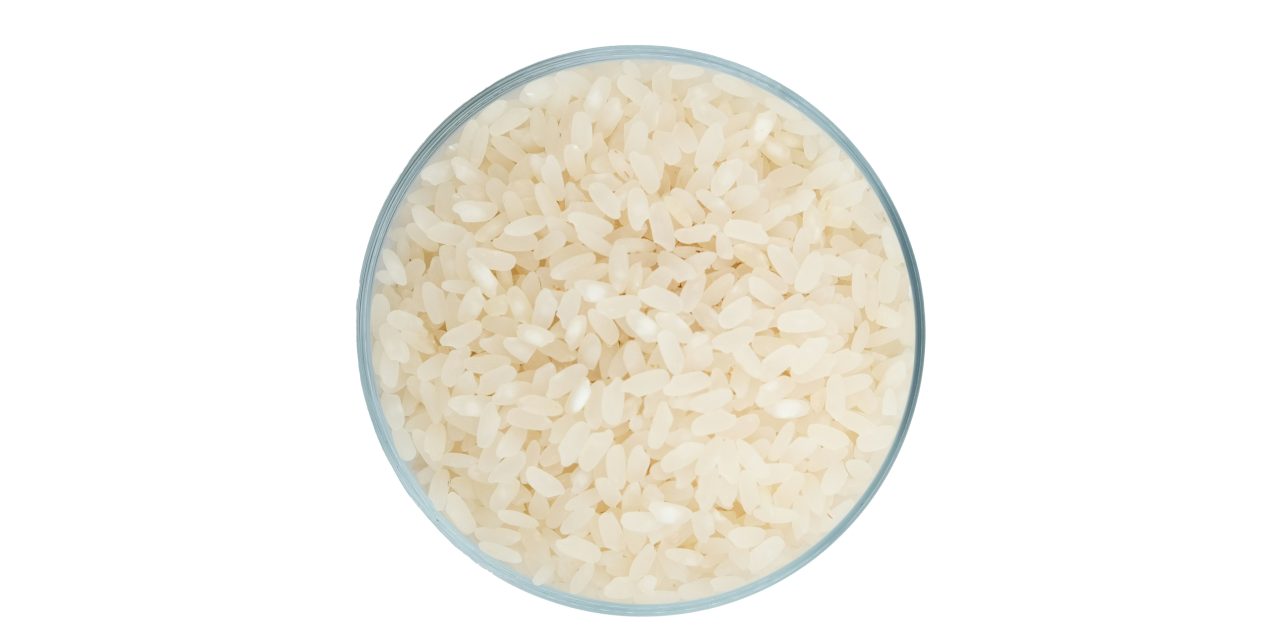
When selecting brown rice, it is important to consider the variety, as different types can yield varying textures and flavors. The most common varieties include long-grain, medium-grain, and short-grain brown rice. Long-grain brown rice, such as Basmati or Jasmine, tends to remain fluffy and separate when cooked, making it ideal for pilafs or salads. Medium-grain varieties are slightly stickier and are often used in dishes like risottos or sushi. Short-grain brown rice is the stickiest of all and is perfect for creamy dishes or desserts.
Another factor to consider is whether the rice is organic or conventionally grown. Organic brown rice is cultivated without synthetic pesticides or fertilizers, which may appeal to health-conscious consumers. Additionally, some brands offer pre-cooked or parboiled brown rice, which can significantly reduce cooking time while still retaining much of its nutritional value. Choosing the right type of brown rice based on your culinary needs will ensure optimal results in terms of texture and flavor.
Pre-Rinsing Brown Rice: Why It Matters

Pre-rinsing brown rice is a crucial step that many home cooks overlook. This process involves washing the grains under cold water before cooking to remove excess starch and impurities. Rinsing helps to prevent clumping during cooking, resulting in a more desirable texture. The removal of surface starch also contributes to a cleaner taste, allowing the nutty flavor of brown rice to shine through.
Moreover, rinsing can help eliminate any residual contaminants from processing or packaging. While most commercially available brown rice is cleaned before packaging, rinsing adds an extra layer of assurance regarding cleanliness. To rinse effectively, place the rice in a fine-mesh strainer and run cold water over it until the water runs clear. This simple step can significantly enhance the overall quality of your cooked brown rice.
Soaking Brown Rice: How It Improves Texture and Cooking Time

Soaking brown rice prior to cooking can dramatically improve its texture and reduce cooking time. By allowing the grains to absorb water before cooking, you initiate the hydration process, which softens the tough outer bran layer. This pre-soaking method can cut down cooking time by approximately 20-30%, making it a valuable technique for busy cooks.
In addition to reducing cooking time, soaking enhances the digestibility of brown rice by breaking down some of the complex carbohydrates and phytic acid present in the grains. Phytic acid can inhibit mineral absorption; therefore, soaking can help improve nutrient bioavailability. To soak brown rice effectively, cover it with water and let it sit for at least 30 minutes or up to several hours before cooking. This simple practice can yield tender grains that are easier to digest.
Measuring Water to Rice Ratio for Perfect Tenderness
Achieving the perfect tenderness in brown rice hinges on the correct water-to-rice ratio. Generally, a ratio of 2:1 (two cups of water for every cup of brown rice) is recommended for stovetop cooking. However, this ratio may vary slightly depending on the specific variety of brown rice used and personal preference for texture.
For instance, some cooks prefer a slightly firmer texture and may opt for a 1.75:1 ratio instead. Conversely, if you enjoy softer rice, increasing the water to 2.25:1 may be beneficial. It is essential to experiment with these ratios to find what works best for your taste buds while keeping in mind that factors such as altitude and humidity can also affect cooking times and water absorption.
Selecting the Best Cooking Method: Stovetop, Rice Cooker, or Instant Pot
The method chosen for cooking brown rice can significantly impact its final texture and flavor profile. The stovetop method is traditional and allows for greater control over the cooking process; however, it requires careful attention to prevent overcooking or burning. A rice cooker offers convenience and consistency, automatically adjusting cooking times based on moisture levels.
The Instant Pot has gained popularity due to its speed and efficiency; it can cook brown rice in a fraction of the time required by traditional methods while producing tender results. Each method has its advantages; therefore, selecting one depends on personal preferences and available kitchen equipment. Understanding these options will empower cooks to choose the best method for their needs.
Step-by-Step Stovetop Cooking Instructions for Tender Brown Rice
To achieve perfectly tender brown rice using the stovetop method, follow these detailed instructions:
1. **Rinse**: Begin by rinsing one cup of brown rice under cold water until the water runs clear.
2. **Soak**: If time permits, soak the rinsed rice in water for at least 30 minutes.
3. **Combine**: In a medium saucepan, combine the soaked (or unsoaked) rice with two cups of water.
4. **Boil**: Bring the mixture to a rolling boil over high heat.
5. **Simmer**: Once boiling, reduce heat to low, cover with a tight-fitting lid, and simmer for 45-50 minutes.
6. **Rest**: After cooking time is complete, remove from heat but keep covered for an additional 10 minutes.
7. **Fluff**: Finally, use a fork to fluff the rice gently before serving.
Following these steps will yield fluffy and tender brown rice that complements various dishes.
Tips for Using a Rice Cooker to Achieve Fluffy Brown Rice
Using a rice cooker simplifies the process of preparing brown rice while ensuring consistent results. Here are some tips to maximize your success:
1. **Rinse Thoroughly**: Always rinse your brown rice before adding it to the cooker to remove excess starch.
2. **Water Ratio**: Use a 2:1 water-to-rice ratio unless your specific cooker instructions suggest otherwise.
3. **Soaking**: If possible, soak the rice beforehand to enhance texture and reduce cooking time.
4. **Flavor Enhancements**: Consider adding a pinch of salt or a splash of olive oil to enhance flavor during cooking.
5. **Let It Rest**: After cooking completes, allow the rice to rest in the cooker for about 10 minutes before opening the lid.
By following these tips, you can achieve perfectly fluffy brown rice every time with minimal effort.
How to Cook Brown Rice in an Instant Pot for Quick and Tender Results
The Instant Pot offers an efficient way to prepare brown rice without sacrificing quality. Here’s how to do it:
1. **Rinse**: Start by rinsing one cup of brown rice under cold water until clear.
2. **Combine**: Place the rinsed rice into the Instant Pot along with one and a half cups of water.
3. **Season**: Add salt or other seasonings if desired.
4. **Seal**: Close the lid securely and ensure that the pressure valve is set to sealing.
5. **Cook**: Select the manual setting and set the timer for 22-24 minutes on high pressure.
6. **Natural Release**: Once cooking is complete, allow for a natural pressure release for about 10 minutes before carefully switching to quick release.
7. **Fluff**: Open the lid and fluff with a fork before serving.
This method yields tender brown rice in approximately half the time compared to traditional stovetop methods.
Resting and Fluffing Brown Rice After Cooking
Resting cooked brown rice is an essential step that should not be overlooked. Allowing it to sit covered for about 10 minutes after cooking enables residual steam to continue softening the grains while preventing them from becoming gummy or mushy.
Once rested, fluffing with a fork helps separate any grains that may have stuck together during cooking. This technique enhances presentation and ensures an appealing texture when served alongside other dishes.
Troubleshooting Common Issues: Fixing Mushy or Undercooked Brown Rice
Even experienced cooks may encounter issues when preparing brown rice; however, solutions exist for common problems:
1. **Mushy Rice**: If your brown rice turns out mushy or overly sticky, it may have been cooked with too much water or for too long. To salvage it, spread it out on a baking sheet and let it cool slightly; this will help evaporate excess moisture.
2. **Undercooked Rice**: If your brown rice remains hard or chewy after cooking time has elapsed, add a small amount of boiling water (about ¼ cup) and cover it again for an additional 5-10 minutes on low heat until fully cooked.
By understanding these troubleshooting techniques, you can ensure that your brown rice consistently meets your expectations.
In summary, mastering the art of cooking brown rice involves understanding its nutritional benefits, selecting appropriate varieties, employing effective preparation techniques such as rinsing and soaking, measuring water ratios accurately, choosing suitable cooking methods like stovetop or Instant Pot, allowing resting time post-cooking, and troubleshooting common issues effectively. With practice and attention to detail, anyone can achieve perfectly tender brown rice that enhances their meals nutritionally and culinarily.
FAQs
What is the ideal water-to-brown rice ratio for cooking?
The ideal water-to-brown rice ratio is typically 2.5 cups of water for every 1 cup of brown rice. This ratio helps ensure that the rice cooks thoroughly and becomes tender.
How long does it take to cook brown rice?
Brown rice usually takes about 45 to 50 minutes to cook. It’s important to allow it to simmer gently and to avoid lifting the lid too often, as this can disrupt the cooking process.
Should I soak brown rice before cooking?
Soaking brown rice for at least 30 minutes to a few hours can help reduce cooking time and improve its texture. However, it is not strictly necessary; rinsing the rice before cooking can also help remove excess starch.
What cooking method is best for brown rice?
The absorption method is often recommended for cooking brown rice. This involves bringing water to a boil, adding the rice, reducing the heat to low, covering the pot, and allowing it to simmer until the water is absorbed.
How can I tell when brown rice is done cooking?
Brown rice is done cooking when it is tender and the grains have absorbed all the water. You can check for doneness by tasting a few grains; they should be chewy but not hard. If there is still water left, continue cooking for a few more minutes.