Reheating chicken can often lead to a disappointing culinary experience, primarily due to the meat’s propensity to dry out. This phenomenon occurs because of the structural changes that chicken undergoes during cooking. When chicken is initially cooked, the proteins denature and coagulate, which allows moisture to be retained. However, upon reheating, especially at high temperatures, these proteins can further contract, squeezing out moisture and resulting in a dry texture. The Maillard reaction, which contributes to the browning and flavor of cooked chicken, can also exacerbate this issue when reheated improperly.
Moreover, the method of reheating plays a crucial role in moisture retention. High heat can cause rapid evaporation of water content, leading to a loss of juiciness. Additionally, the type of chicken cut influences how well it retains moisture. Dark meat, such as thighs and drumsticks, tends to be more forgiving than white meat, like breasts, which are leaner and more susceptible to drying out. Understanding these factors is essential for anyone looking to enjoy leftover chicken without compromising its quality.
Choosing the Right Storage Method for Leftover Chicken
Proper storage is paramount in preserving the quality of leftover chicken. The first step is to ensure that the chicken is cooled down to room temperature before refrigeration. Placing hot chicken directly into the fridge can raise the internal temperature of the appliance, potentially leading to bacterial growth. Once cooled, it should be stored in an airtight container or tightly wrapped in aluminum foil or plastic wrap to minimize exposure to air, which can lead to oxidation and spoilage.
For longer-term storage, freezing is an excellent option. Chicken can be frozen for up to four months without significant loss of quality. When freezing, it is advisable to portion the chicken into meal-sized servings and label them with the date for easy identification later. Vacuum sealing is another effective method that removes air and prevents freezer burn, ensuring that the chicken retains its moisture and flavor when reheated.
Preparing Leftover Chicken for Reheating

Before reheating leftover chicken, it is essential to prepare it properly to enhance its moisture retention. Start by removing the chicken from its storage container and allowing it to sit at room temperature for about 20-30 minutes. This step helps to ensure even reheating throughout the meat. If the chicken has been refrigerated, bringing it closer to room temperature reduces the risk of overcooking the outer layers while trying to heat the center.
Additionally, consider slicing or shredding larger pieces of chicken into smaller portions. This not only speeds up the reheating process but also allows for more uniform heating. If desired, marinating or seasoning the chicken with a bit of oil or butter can help lock in moisture during reheating. Incorporating herbs and spices can also enhance flavor without adding excessive calories.
Using the Oven to Reheat Chicken Without Drying

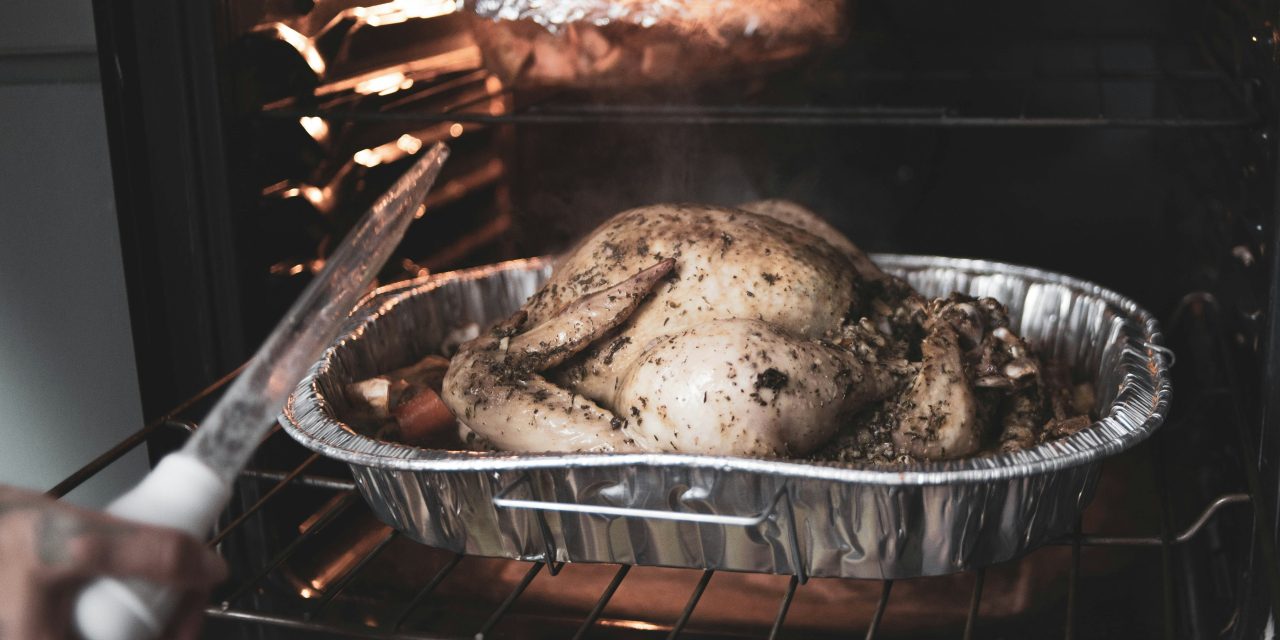
Reheating chicken in the oven is one of the most effective methods for retaining moisture while achieving a desirable texture. Preheat your oven to a low temperature, ideally around 325°F (163°C). This gentle heat allows the chicken to warm through without cooking it further. Place the chicken on a baking sheet lined with parchment paper or in a baking dish.
To prevent drying out, cover the chicken with aluminum foil. This creates a steam effect that helps maintain moisture levels. Depending on the size and thickness of the chicken pieces, reheating may take anywhere from 15 to 30 minutes. It is advisable to check the internal temperature with a meat thermometer; it should reach at least 165°F (74°C) for safe consumption. For an added touch of crispiness, remove the foil during the last few minutes of reheating.
Reheating Chicken on the Stovetop for Moist Results
The stovetop method is another excellent option for reheating chicken while preserving its juiciness. Begin by placing a skillet over medium heat and adding a small amount of oil or butter to prevent sticking. Once heated, add the chicken pieces and cover the skillet with a lid. The lid traps steam and helps keep the chicken moist.
For optimal results, consider adding a splash of broth or water to the skillet before covering it. This additional liquid creates steam that further enhances moisture retention during reheating. Depending on the thickness of the chicken pieces, this method typically takes about 5-10 minutes. As always, use a meat thermometer to ensure that the internal temperature reaches 165°F (74°C).
Microwave Techniques to Keep Chicken Juicy
While microwaving is often viewed as a quick but less effective method for reheating chicken, there are techniques that can help maintain its moisture content. Start by placing the chicken on a microwave-safe plate and covering it with a damp paper towel or microwave-safe lid. This covering traps steam and prevents excessive drying.
Set your microwave to medium power rather than high; this allows for more even heating without overcooking any parts of the chicken. Heat in short intervals of 30 seconds, checking frequently until heated through. The goal is to reach an internal temperature of 165°F (74°C) without causing further protein contraction that leads to dryness.
Reheating Chicken with a Steamer for Maximum Moisture
Using a steamer is one of the most effective methods for reheating chicken while ensuring maximum moisture retention. This technique involves placing the chicken in a steamer basket over boiling water, allowing steam to circulate around the meat without direct contact with water. This gentle heating method prevents protein over-contraction and helps maintain juiciness.
To begin, fill a pot with water and bring it to a boil before placing your steamer basket on top. Arrange the chicken pieces in a single layer within the basket and cover with a lid. Steam for approximately 10-15 minutes or until heated through, checking periodically for doneness with a meat thermometer.
Adding Moisture: Broth, Sauce, and Other Liquids
Incorporating additional liquids during reheating can significantly enhance moisture retention in leftover chicken. Broth is an excellent choice; simply pour a small amount into your baking dish or skillet before reheating. The broth not only adds flavor but also creates steam that helps keep the meat moist.
Sauces can also be beneficial; consider using barbecue sauce, teriyaki sauce, or even a homemade gravy to coat your chicken before reheating. These liquids not only contribute moisture but also infuse additional flavors into the meat, making it more enjoyable upon serving.
Covering and Wrapping Methods to Retain Juices
Covering or wrapping chicken during reheating is crucial for retaining juices and preventing dryness. Whether using aluminum foil in the oven or a lid on the stovetop, these methods create an environment where steam can circulate around the meat. This steam helps keep moisture levels high while preventing direct heat from causing rapid evaporation.
When using aluminum foil in the oven, ensure that it is tightly sealed around the edges of your baking dish or tray to trap steam effectively. On the stovetop, using a lid not only retains moisture but also allows for even heating throughout all parts of the chicken.
Monitoring Temperature to Avoid Overcooking
Monitoring internal temperature is vital when reheating chicken to avoid overcooking and drying out the meat. The USDA recommends that all poultry should reach an internal temperature of 165°F (74°C) for safe consumption. Using an instant-read meat thermometer can provide accurate readings without needing to cut into your chicken.
To ensure even heating without overcooking, consider checking multiple pieces if they vary in size or thickness. Remove from heat as soon as they reach the desired temperature; residual heat will continue cooking them slightly even after being taken off heat.
Tips for Reheating Different Chicken Cuts and Dishes
Different cuts of chicken require tailored approaches when it comes to reheating effectively. For instance, bone-in pieces such as thighs or drumsticks may benefit from longer reheating times at lower temperatures compared to boneless breasts which require more careful monitoring due to their lean nature.
When dealing with dishes like casseroles or soups containing chicken, stirring occasionally during reheating ensures even distribution of heat throughout all ingredients while preventing any sections from becoming overly dry or overcooked.
In summary, understanding how to properly reheat leftover chicken can significantly enhance your dining experience while minimizing waste. By employing appropriate storage methods, utilizing various reheating techniques such as oven baking or steaming, and incorporating additional moisture through broths or sauces, you can enjoy flavorful and juicy chicken every time you revisit those leftovers.
In conclusion, proper techniques for reheating leftover chicken are essential for maintaining its quality and flavor while preventing dryness. By understanding storage methods and employing various reheating strategies—such as using an oven, stovetop, microwave, or steamer—you can ensure that your leftover chicken remains juicy and delicious every time you serve it again.
FAQs
What is the best method to reheat leftover chicken without drying it out?
The best method to reheat leftover chicken without drying it out is to use the oven. Preheat the oven to 350°F (175°C), place the chicken in an oven-safe dish, and cover it with aluminum foil to retain moisture. Heat for about 20-30 minutes, or until the internal temperature reaches 165°F (74°C).
Can I use a microwave to reheat chicken without drying it out?
Yes, you can use a microwave to reheat chicken without drying it out. Place the chicken on a microwave-safe plate, cover it with a damp paper towel, and heat in short intervals of 1-2 minutes, checking frequently to avoid overcooking.
Should I add liquid when reheating chicken?
Adding a small amount of liquid, such as broth or water, can help keep the chicken moist during reheating. If using the oven, you can add a splash of broth to the dish before covering it with foil. In the microwave, a few teaspoons of broth can be added to the plate.
How can I tell when reheated chicken is safe to eat?
Reheated chicken is safe to eat when it reaches an internal temperature of 165°F (74°C). Using a food thermometer is the most accurate way to check the temperature. Additionally, the chicken should be hot throughout and not cold in the center.
Is it safe to reheat chicken multiple times?
It is generally safe to reheat chicken multiple times, but it is best to limit reheating to once to maintain quality and safety. Each time chicken is reheated, it can lose moisture and flavor, and the risk of bacterial growth increases if not handled properly.