Roof leaks can be a homeowner’s worst nightmare, leading to extensive damage if not addressed promptly. Understanding the underlying causes is crucial for effective prevention and repair. The primary culprits behind roof leaks include weather-related factors, structural issues, and material degradation. For instance, heavy rainfall, snow accumulation, and high winds can compromise the integrity of roofing materials, leading to leaks. Additionally, improper installation or maintenance can exacerbate these issues, allowing water to infiltrate the home.
Another significant factor contributing to roof leaks is the aging of roofing materials. Over time, shingles can become brittle and lose their protective granules, making them susceptible to damage. Flashing, which seals joints and prevents water intrusion, can also deteriorate due to exposure to the elements. Identifying these causes early on can help homeowners take proactive measures to mitigate potential leaks.
Common Signs That Indicate a Roof Leak
Detecting a roof leak early can save homeowners from costly repairs and extensive damage. Common signs include water stains on ceilings or walls, which often indicate that water has penetrated the roofing system. Homeowners may also notice mold or mildew growth in areas where moisture has accumulated, signaling a persistent leak. Additionally, peeling paint or wallpaper can be indicative of underlying moisture issues.
Another telltale sign is the presence of missing or damaged shingles. If shingles are cracked, curled, or completely missing, they may no longer provide adequate protection against water intrusion. Homeowners should also inspect their attic for signs of moisture or daylight peeking through the roof, as these can be clear indicators of a compromised roofing system.
Factors Influencing Roof Leak Repair Costs

Several factors influence the overall cost of repairing a roof leak. The extent of the damage is a primary consideration; minor leaks may require simple patching, while extensive damage could necessitate a complete roof replacement. The type of roofing material also plays a significant role in determining repair costs. For example, asphalt shingles are generally less expensive to repair than slate or tile roofs.
Labor costs vary based on geographic location and the complexity of the repair. In urban areas, labor rates tend to be higher due to increased demand for skilled tradespeople. Additionally, the time of year can impact pricing; contractors may charge more during peak seasons when demand for roofing services is high. Homeowners should consider these factors when budgeting for repairs.
Average Cost Range for Minor Roof Leak Repairs

For minor roof leak repairs, homeowners can expect to pay between $150 and $500 on average. This range typically covers small leaks that require minimal intervention, such as resealing flashing or replacing a few damaged shingles. The cost may vary depending on the specific materials used and the contractor’s labor rates.
It’s essential to address minor leaks promptly to prevent them from escalating into more significant issues. Regular inspections and maintenance can help identify potential problems before they become costly repairs. Homeowners should also consider obtaining multiple quotes from contractors to ensure they receive a fair price for their repair needs.
Cost Implications of Major Roof Leak Repairs
Major roof leak repairs can be significantly more expensive, often ranging from $1,000 to $3,000 or more. These costs typically arise when extensive damage has occurred, requiring substantial repairs or even partial roof replacement. Factors contributing to higher costs include the complexity of the repair, the type of roofing material involved, and any necessary structural reinforcements.
In some cases, homeowners may find that addressing major leaks involves additional expenses related to water damage restoration within the home. This could include repairing drywall, replacing insulation, or addressing mold growth—all of which can add to the overall financial burden associated with major roof repairs.
How Roof Type Affects Repair Expenses
The type of roofing material significantly influences repair expenses. Asphalt shingles are among the most affordable options for repairs due to their widespread availability and ease of installation. In contrast, more specialized materials such as slate or tile can incur higher costs due to their unique installation requirements and limited availability.
Additionally, flat roofs often present unique challenges when it comes to repairs. These roofs may require specialized materials and techniques to ensure proper drainage and waterproofing. Homeowners should consider the long-term implications of their roofing material choice when budgeting for potential repairs.
The Role of Roof Age in Repair Pricing
The age of a roof plays a critical role in determining repair pricing. Older roofs are more likely to experience wear and tear, leading to an increased likelihood of leaks and other issues. As roofs age, homeowners may find that repairs become more frequent and costly due to the cumulative effects of weather exposure and material degradation.
In some cases, it may be more cost-effective to replace an aging roof rather than continually invest in repairs. Homeowners should assess the overall condition of their roof and consult with professionals to determine whether repair or replacement is the most prudent financial decision.
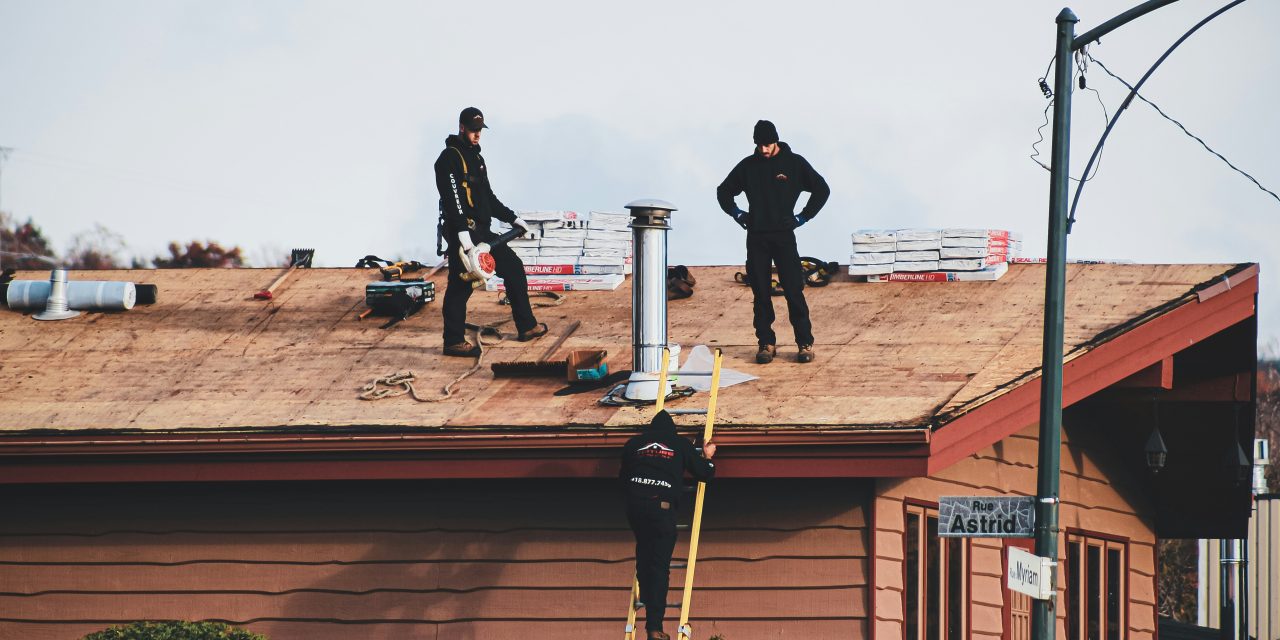
When faced with a roof leak, homeowners often grapple with the decision between DIY repairs and hiring a professional contractor. DIY repairs can save money upfront; however, they come with inherent risks. Without proper knowledge and experience, homeowners may inadvertently exacerbate existing issues or fail to address underlying problems effectively.
Professional contractors bring expertise and specialized tools to the table, ensuring that repairs are completed correctly and efficiently. While hiring a professional may involve higher initial costs—typically ranging from $200 to $1,500 depending on the severity of the leak—homeowners can benefit from warranties on workmanship and materials used.
Additional Expenses: Inspection, Materials, and Labor
In addition to direct repair costs, homeowners should account for additional expenses associated with roof leak repairs. Inspection fees may range from $100 to $300, depending on the complexity of the assessment and the contractor’s rates. Materials required for repairs can also vary widely based on the type of roofing system in place; for example, high-quality shingles or specialized sealants may increase overall costs.
Labor costs are another significant factor in repair expenses. Contractors typically charge hourly rates ranging from $50 to $150 per hour based on their experience and geographic location. Homeowners should factor in these additional expenses when budgeting for roof leak repairs.
Tips for Saving Money on Roof Leak Repairs
Homeowners looking to save money on roof leak repairs can implement several strategies. Regular maintenance is key; conducting routine inspections and addressing minor issues promptly can prevent costly repairs down the line. Additionally, investing in high-quality roofing materials during initial installation can reduce long-term maintenance costs.
Obtaining multiple quotes from contractors allows homeowners to compare prices and services offered. It’s also beneficial to ask about warranties on both materials and workmanship; this can provide peace of mind and protect against future expenses related to repairs.
When to Consider Roof Replacement Instead of Repair
In some situations, homeowners may find that replacing their roof is more cost-effective than continuing to invest in repairs. If a roof is nearing the end of its expected lifespan—typically 20-30 years for asphalt shingles—frequent leaks may indicate that replacement is necessary. Additionally, if extensive damage has occurred due to water intrusion or structural issues, a new roof may be warranted.
Consulting with a professional roofing contractor can provide valuable insights into whether repair or replacement is the best course of action based on the specific circumstances surrounding each individual case.
In summary, understanding the causes and signs of roof leaks is essential for effective management and prevention strategies. Various factors influence repair costs, including the extent of damage, type of roofing material, and labor rates in different regions. Homeowners should weigh their options carefully between DIY repairs and hiring professionals while considering additional expenses associated with inspections and materials. Ultimately, proactive maintenance and timely interventions can save homeowners significant money in both short-term repairs and long-term investments in their roofing systems.
FAQs
What is the average cost of roof leak repair?
The average cost of roof leak repair typically ranges from $300 to $1,500, depending on the severity of the leak, the type of roofing material, and the location of the damage. Minor repairs may cost less, while extensive damage could lead to higher expenses.
What factors influence the cost of roof leak repairs?
Several factors influence the cost of roof leak repairs, including the extent of the damage, the type of roofing material (asphalt shingles, metal, tile, etc.), labor costs in your area, and whether additional repairs or replacements are needed for underlying structures.
Are there any additional costs homeowners should consider?
Yes, homeowners should consider additional costs such as potential water damage repairs, the need for a roof inspection, and possible upgrades to roofing materials or insulation. If the leak has caused mold or structural damage, remediation costs may also apply.
Can homeowners perform roof leak repairs themselves to save money?
While some minor repairs can be done by homeowners, it is generally recommended to hire a professional, especially for significant leaks or complex roofing systems. DIY repairs may lead to further damage if not done correctly, potentially increasing overall costs.
How can homeowners prevent future roof leaks?
Homeowners can prevent future roof leaks by regularly inspecting their roofs for damage, maintaining gutters and downspouts, ensuring proper ventilation, and scheduling professional roof inspections at least once a year. Promptly addressing any signs of wear can also help mitigate future issues.