A water heater is an essential appliance in modern households, providing hot water for various daily activities such as bathing, cooking, and cleaning. Its proper functioning is crucial not only for comfort but also for maintaining hygiene standards. A malfunctioning water heater can lead to significant inconveniences, including cold showers and disrupted routines. Moreover, leaks from a faulty water heater can cause extensive water damage, mold growth, and increased utility bills. Understanding the importance of a well-maintained water heater is vital for homeowners to ensure safety and efficiency.
The significance of a properly functioning water heater extends beyond mere convenience. It plays a pivotal role in energy efficiency, as an inefficient unit can lead to higher energy consumption and costs. Regular maintenance and timely repairs can prolong the lifespan of the appliance, ultimately saving homeowners money in the long run. This article delves into common causes of water heater leaks, how to identify them, warning signs to watch for, immediate actions to take, and preventative measures to avoid future issues.
Common Causes of Water Heater Leaks
Water heater leaks can arise from various sources, each requiring specific attention and resolution. One prevalent cause is corrosion, which occurs when the internal tank or external pipes deteriorate over time due to prolonged exposure to water and minerals. This degradation can lead to small holes or cracks that allow water to escape. Additionally, sediment buildup at the bottom of the tank can create pressure that exacerbates wear and tear on the unit.
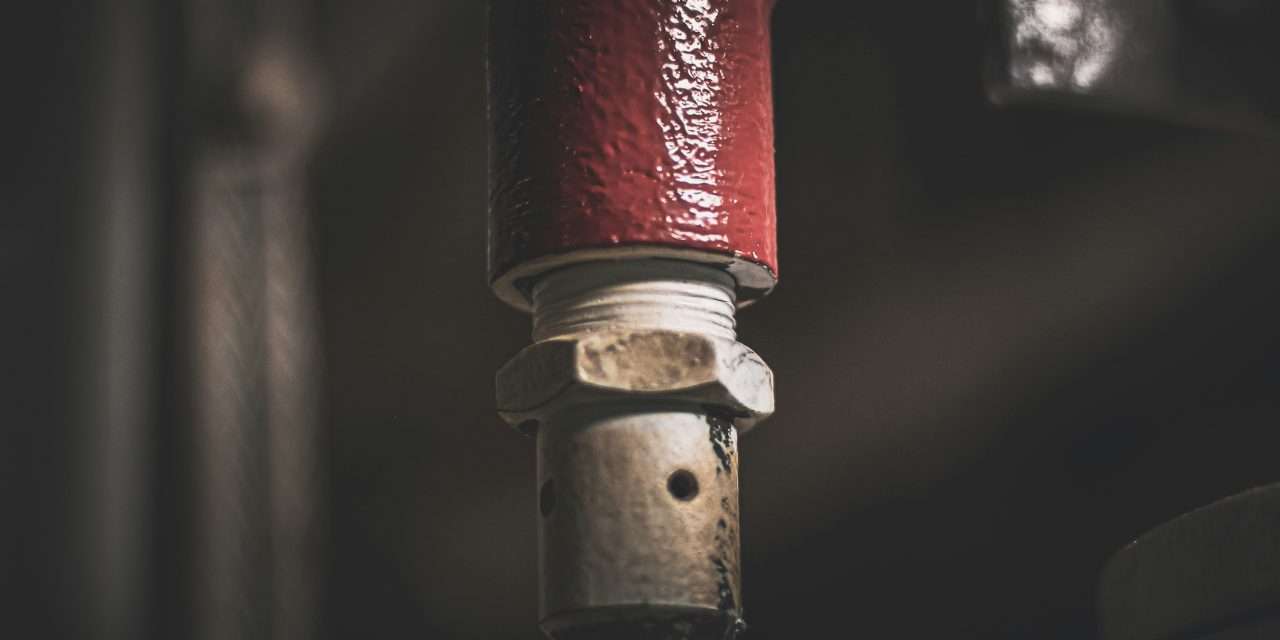
Another common culprit is faulty connections. Over time, fittings and connections may loosen due to thermal expansion and contraction during heating cycles. This loosening can result in leaks at the joints where pipes connect to the tank or other plumbing fixtures. Furthermore, temperature and pressure relief valves (TPR valves) can malfunction, leading to leaks if they fail to release excess pressure or temperature within the tank.
Determining whether the leak originates from the tank itself or from connections is crucial for effective troubleshooting and repair. If water is pooling around the base of the heater, it may indicate a leak from the tank. In contrast, if water is dripping from pipes or fittings connected to the heater, the issue likely lies with those connections.
To accurately identify the source of a leak, homeowners should conduct a thorough inspection. Begin by examining the tank for any visible signs of rust or corrosion, which may indicate internal damage. Next, inspect all connections and fittings for moisture or dripping water. Utilizing a flashlight can help illuminate hard-to-see areas. If the leak appears to be coming from the tank itself, it may require replacement rather than repair.
Warning Sign 1: Visible Water Around the Base of the Heater

One of the most apparent warning signs of a leaking water heater is visible water accumulation around its base. This pooling can occur due to various reasons, including tank failure or loose connections. Homeowners should take this sign seriously, as it often indicates that water is escaping from the unit.
If you notice water around your heater, it is essential to act promptly. First, turn off the power supply to the unit to prevent any electrical hazards. Next, shut off the cold water supply valve to stop further leakage. Assessing the situation quickly can minimize potential damage to flooring and surrounding areas while also preventing mold growth.
Warning Sign 2: Rust or Corrosion on the Tank or Pipes

Rust or corrosion on either the tank or pipes is another critical warning sign that should not be overlooked. The presence of rust indicates that metal components are deteriorating due to prolonged exposure to moisture and minerals in the water supply. This deterioration can lead to leaks and ultimately compromise the integrity of the entire system.
Homeowners should regularly inspect their water heaters for signs of rust or corrosion. If rust is detected on the tank’s exterior or around fittings and pipes, it may be time to consider repairs or replacement. Ignoring these signs can lead to more severe issues down the line, including complete tank failure and significant water damage.
Warning Sign 3: Unusual Noises or Water Temperature Fluctuations
Unusual noises emanating from a water heater can signal underlying problems that may lead to leaks. Sounds such as popping, rumbling, or hissing often indicate sediment buildup within the tank. As sediment accumulates at the bottom, it can create pressure that causes unusual noises during heating cycles.
Additionally, fluctuations in water temperature can also be indicative of issues within the unit. If hot water suddenly turns cold or vice versa, it may suggest that the heating element is malfunctioning or that there are issues with thermostat calibration. Both scenarios warrant immediate attention to prevent further complications that could result in leaks.
Warning Sign 4: Reduced Water Pressure or Water Quality Issues
Reduced water pressure or compromised water quality are significant warning signs that should prompt homeowners to investigate their water heater’s condition. A decrease in pressure may indicate blockages within pipes or sediment buildup in the tank that restricts flow. This blockage can lead to increased strain on the system and potential leaks.
Water quality issues such as discoloration, foul odors, or unusual tastes can also signal problems with the water heater. These issues may arise from corrosion within the tank or contamination from external sources. Addressing these concerns promptly is essential for maintaining safe drinking water and preventing further damage to plumbing systems.
Immediate Steps to Take When You Notice a Leak
Upon discovering a leak from your water heater, immediate action is crucial to mitigate damage and ensure safety. First and foremost, turn off the power supply to the unit if it is electric; for gas heaters, turn off the gas supply valve. This step prevents electrical hazards and reduces fire risks associated with gas leaks.
Next, shut off the cold water supply valve located near the top of the heater to stop further leakage. If possible, place a bucket or container under the leak to catch any dripping water temporarily. It is also advisable to drain some hot water from the tank using a garden hose connected to the drain valve at the bottom of the unit; this action reduces pressure within the tank.
When to Call a Professional Plumber
While some minor leaks may be manageable for homeowners, others require professional intervention. If you are unable to identify the source of a leak or if it appears to be coming from within the tank itself, it is essential to call a licensed plumber immediately. Professionals possess specialized tools and expertise necessary for diagnosing complex issues accurately.
Additionally, if you notice persistent leaks despite attempting repairs or if your unit is older than ten years, seeking professional assistance is advisable. A plumber can assess whether repairs are feasible or if replacement is necessary based on your specific situation.
Preventative Maintenance Tips to Avoid Future Leaks
Preventative maintenance plays a vital role in extending your water heater’s lifespan and minimizing leak risks. Regularly flushing your tank every six months helps remove sediment buildup that can cause corrosion and pressure issues. Additionally, inspecting connections and fittings for signs of wear can prevent loose joints from developing into leaks.
Another essential maintenance tip involves checking your TPR valve annually to ensure it functions correctly. This valve releases excess pressure and temperature within the tank; if it malfunctions, it could lead to catastrophic failures. Lastly, consider scheduling annual professional inspections for your water heater; these assessments can identify potential problems before they escalate into significant issues.
Ensuring Safety and Longevity of Your Water Heater
In conclusion, understanding how to identify and address potential leaks in your water heater is crucial for maintaining safety and efficiency in your home. By recognizing warning signs such as visible water accumulation, rust or corrosion, unusual noises, and reduced water pressure, homeowners can take proactive measures to mitigate damage and ensure their units function optimally.
Implementing preventative maintenance strategies will not only prolong your water heater’s lifespan but also enhance its performance while reducing energy costs. Should you encounter persistent issues or complex problems beyond your expertise, do not hesitate to contact a professional plumber for assistance. By prioritizing maintenance and timely repairs, you can ensure your water heater remains a reliable source of hot water for years to come.
In summary, regular inspections and maintenance are key components in preventing leaks in your water heater system while ensuring its longevity and efficiency in providing hot water for daily needs.
FAQs
What are the common causes of a leaking water heater?
Common causes of a leaking water heater include a faulty temperature and pressure relief valve, a corroded tank, loose connections, or a damaged drain valve. Additionally, sediment buildup can lead to overheating and tank failure, resulting in leaks.
How can I identify the source of the leak?
To identify the source of the leak, inspect the water heater for visible signs of water pooling or dripping. Check the connections, valves, and the tank itself for corrosion or damage. You may also need to look for leaks in the pipes leading to and from the heater.
What should I do if my water heater is leaking?
If your water heater is leaking, first turn off the power supply and the water supply to prevent further damage. Then, drain the tank if necessary and contact a professional plumber to assess the situation and perform repairs or replacements as needed.
Can I fix a leaking water heater myself?
While some minor leaks, such as those from loose connections or fittings, can be fixed by homeowners, it is generally recommended to consult a professional plumber for significant leaks or issues with the tank itself. Attempting to repair complex problems without proper knowledge can lead to further damage or safety hazards.
How can I prevent my water heater from leaking in the future?
To prevent future leaks, perform regular maintenance on your water heater, including flushing the tank to remove sediment buildup, checking the pressure relief valve, and inspecting connections for wear. Additionally, consider replacing older units before they reach the end of their lifespan to avoid unexpected leaks.