Maintaining the integrity of your home during winter months begins with a thorough inspection and cleaning of gutters and downspouts. Clogged gutters can lead to water overflow, which may cause significant damage to your roof, siding, and foundation. Ice dams can form when water backs up in the gutters, freezing and creating a barrier that prevents proper drainage. This can lead to leaks and structural issues within your home. To prevent these complications, it is essential to remove leaves, twigs, and other debris from gutters and downspouts.
Using a sturdy ladder, inspect the entire length of the gutter system for blockages. A garden trowel or gutter scoop can be effective tools for removing debris. After clearing the gutters, flush them with water to ensure proper flow through the downspouts. If you notice any leaks or damage during your inspection, consider sealing joints with waterproof caulk or replacing damaged sections to maintain optimal functionality.
Check and Seal Windows and Doors
Windows and doors are critical components of your home’s energy efficiency, especially during the colder months. Drafts can significantly increase heating costs and reduce comfort levels inside your home. Begin by inspecting all windows and doors for gaps or cracks that may allow cold air to infiltrate. A simple visual inspection may reveal visible wear or damage, but a more thorough approach involves using a candle or incense stick to detect drafts.
Once identified, sealing these gaps is crucial. Weatherstripping is an effective solution for movable components like doors and windows, while caulking can be used for stationary frames. Ensure that all seals are tight and intact to prevent heat loss. Additionally, consider installing storm windows or thermal curtains for added insulation, which can further enhance energy efficiency.
Service Your Heating System

A well-functioning heating system is vital for maintaining a comfortable indoor environment during winter months. Regular servicing of your heating system not only ensures optimal performance but also extends its lifespan. Begin by scheduling an annual inspection with a qualified HVAC technician who can assess the system’s efficiency and safety.
During the service, the technician will check for any potential issues such as gas leaks, worn-out components, or airflow restrictions. They will also clean or replace filters, which is essential for maintaining air quality and system efficiency. Homeowners should also take proactive measures by regularly changing filters every one to three months, depending on usage. This simple task can significantly improve heating efficiency and reduce energy costs.
Inspect the Roof for Damage and Ice Dams

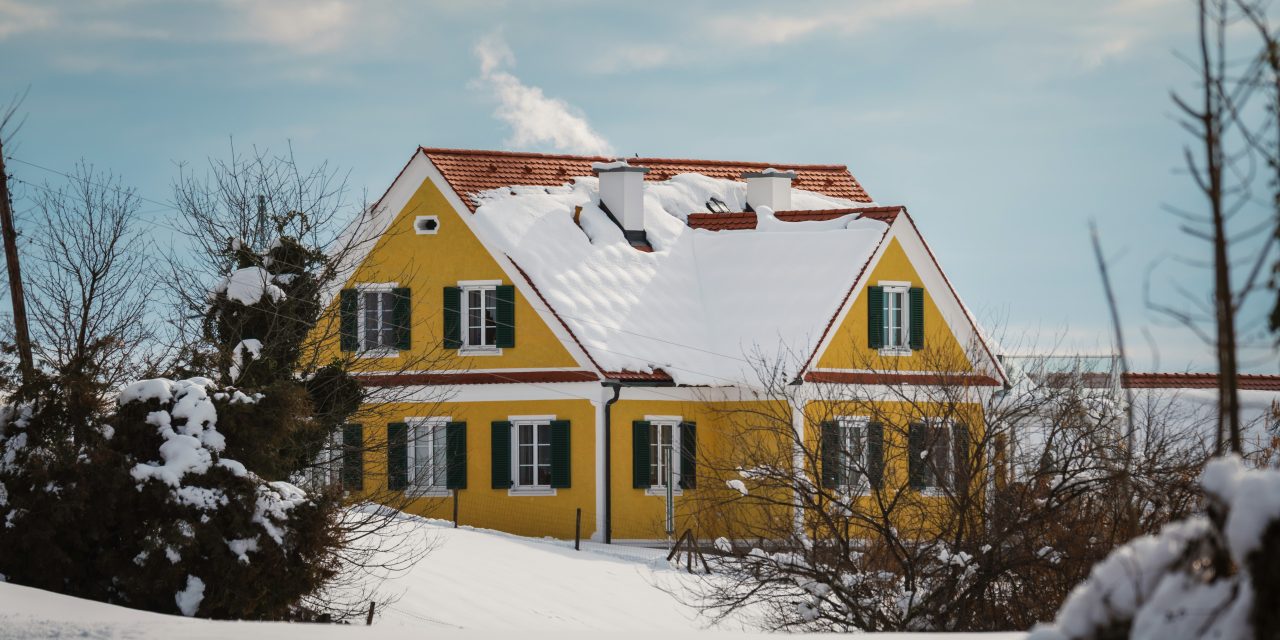
The roof is your home’s first line of defense against harsh winter weather. Inspecting it for damage before winter sets in is crucial to prevent leaks and structural issues. Look for missing shingles, cracks, or signs of wear that could compromise the roof’s integrity. Pay special attention to areas around chimneys, vents, and skylights where leaks are more likely to occur.
Ice dams can form when snow melts on the roof due to heat escaping from the attic and then refreezes at the eaves. This can lead to water pooling under shingles and causing leaks inside your home. To prevent ice dams, ensure that your attic is properly insulated and ventilated to maintain a consistent temperature across the roof surface. If ice dams do form, avoid removing them with sharp tools; instead, use a roof rake to gently remove snow from the roof’s edge.
Protect Pipes from Freezing
Frozen pipes can lead to significant water damage and costly repairs. To prevent this issue, it is essential to insulate exposed pipes in unheated areas such as basements, attics, and crawl spaces. Foam pipe insulation sleeves are an effective solution that can be easily installed around vulnerable pipes.
In addition to insulation, consider allowing faucets to drip during extreme cold spells. This keeps water moving through the pipes, reducing the likelihood of freezing. If you plan to be away from home during winter months, ensure that your thermostat is set to at least 55°F (13°C) and that all pipes are adequately insulated.
Test Smoke and Carbon Monoxide Detectors
Safety should always be a priority in any household, particularly during winter when heating systems are in heavy use. Smoke detectors and carbon monoxide (CO) detectors are essential devices that can save lives by alerting occupants to potential dangers. Regular testing of these devices is crucial; press the test button on each unit monthly to ensure they are functioning correctly.
In addition to testing, replace batteries at least once a year or whenever you hear a chirping sound indicating low battery power. It is also advisable to replace smoke detectors every ten years and CO detectors every five years to ensure optimal performance. Installing detectors on every level of your home, especially near sleeping areas, enhances safety measures significantly.
Clean and Store Outdoor Equipment
As winter approaches, it is essential to clean and store outdoor equipment properly to prolong its lifespan and ensure readiness for future use. Begin by thoroughly cleaning items such as lawnmowers, garden tools, and outdoor furniture. Remove any dirt or debris that may cause rust or deterioration over time.
Once cleaned, store equipment in a dry location such as a garage or shed. For items like lawnmowers, consider draining fuel or adding a fuel stabilizer to prevent engine issues when spring arrives. Additionally, cover outdoor furniture with protective tarps or store them indoors to shield them from harsh weather conditions.
Trim Trees and Remove Dead Branches
Winter storms can wreak havoc on trees, leading to fallen branches that may damage property or pose safety hazards. To mitigate these risks, inspect trees surrounding your home for dead or overhanging branches that could break under the weight of snow or ice. Pruning these branches before winter sets in reduces the likelihood of damage during storms.
When trimming trees, use proper techniques to avoid harming the tree’s health. Make clean cuts at an angle just above a bud or branch junction to promote healing. If you are unsure about how to proceed safely, consider hiring a certified arborist who can assess tree health and perform necessary maintenance.
Winterize Outdoor Faucets and Sprinkler Systems
Preparing outdoor faucets and sprinkler systems for winter is crucial in preventing freezing and subsequent damage. Begin by shutting off the water supply to outdoor faucets and draining any remaining water from the lines. This step prevents water from freezing inside pipes, which could lead to ruptures.
For sprinkler systems, follow manufacturer guidelines for winterization procedures. This often involves blowing out the system with compressed air to remove any residual water. Additionally, insulate exposed pipes with foam covers or insulation tape to provide extra protection against freezing temperatures.
Check Insulation in Attics and Crawl Spaces
Proper insulation plays a vital role in maintaining energy efficiency within your home during winter months. Insufficient insulation in attics and crawl spaces can lead to heat loss, increased energy bills, and discomfort indoors. Begin by inspecting these areas for adequate insulation levels; ideally, attics should have at least 12-15 inches of insulation material.
If you find that insulation is lacking or has settled over time, consider adding more insulation material such as fiberglass batts or blown-in cellulose. Ensure that ventilation is also adequate in these spaces to prevent moisture buildup that could lead to mold growth or structural damage.
Prepare Emergency Supplies and Backup Power Options
Winter storms can lead to power outages and hazardous conditions that require preparedness on your part as a homeowner. Assemble an emergency supply kit containing essentials such as non-perishable food items, bottled water, flashlights with extra batteries, blankets, first aid supplies, and necessary medications.
Additionally, consider backup power options such as portable generators or battery-powered devices that can keep essential appliances running during outages. Familiarize yourself with safe generator usage practices to avoid carbon monoxide poisoning or electrical hazards.
In summary, preparing your home for winter involves a comprehensive approach that includes inspecting gutters, sealing windows and doors, servicing heating systems, checking roofs for damage, protecting pipes from freezing, testing smoke detectors, cleaning outdoor equipment, trimming trees, winterizing faucets and sprinkler systems, checking insulation levels, and preparing emergency supplies. By taking these proactive measures, homeowners can ensure safety, comfort, and efficiency throughout the colder months ahead.
FAQs
What are the key tasks to include in a winter home maintenance checklist?
A winter home maintenance checklist should include tasks such as inspecting and cleaning gutters, checking the roof for leaks or damage, sealing windows and doors to prevent drafts, servicing the heating system, and insulating pipes to prevent freezing.
Why is it important to insulate pipes during winter?
Insulating pipes is crucial during winter because it helps prevent them from freezing and bursting due to extreme cold temperatures. Burst pipes can lead to significant water damage and costly repairs, making insulation a vital preventive measure.
How can homeowners prevent ice dams on their roofs?
Homeowners can prevent ice dams by ensuring proper insulation and ventilation in the attic, which helps maintain a consistent roof temperature. Additionally, clearing snow from the roof after heavy snowfall can also reduce the risk of ice dams forming.
What should be done to prepare the heating system for winter?
To prepare the heating system for winter, homeowners should schedule a professional inspection and maintenance check, replace air filters, and ensure that vents and radiators are unobstructed. This helps ensure the system operates efficiently and safely throughout the cold months.
How can sealing windows and doors save energy during winter?
Sealing windows and doors helps to eliminate drafts and air leaks, which can significantly reduce heat loss in a home. By improving the airtightness of a home, homeowners can save on heating costs and maintain a more comfortable indoor temperature during winter.