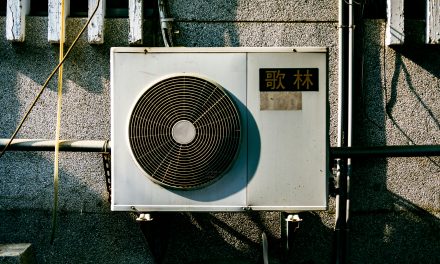
The air conditioning system is a crucial component of maintaining indoor comfort, especially during the sweltering summer months. Regular inspection and cleaning of these systems are essential to ensure optimal performance and energy efficiency. A well-maintained air conditioning unit can significantly reduce energy costs, improve air quality, and extend the lifespan of the equipment. Begin by checking the air filters; dirty filters can restrict airflow, leading to increased energy consumption and potential system failure. It is advisable to replace or clean filters every one to three months, depending on usage and environmental factors.
In addition to filters, the evaporator and condenser coils should be inspected for dirt accumulation. Dirty coils can hinder heat exchange, causing the system to work harder and consume more energy. Cleaning these coils with a soft brush or a specialized coil cleaner can enhance efficiency. Furthermore, ensure that the condensate drain is clear of obstructions to prevent water damage and mold growth. Regular maintenance checks by a certified HVAC technician can identify potential issues before they escalate, ensuring that your air conditioning system operates smoothly throughout the season.
Check and Seal Windows and Doors
Windows and doors are critical points of entry for air leaks, which can lead to significant energy loss in homes. Inspecting these areas for gaps or cracks is vital for maintaining a comfortable indoor environment and reducing energy bills. Use a flashlight to check for light seeping through frames, indicating potential leaks. Weather stripping and caulking are effective solutions for sealing these gaps. Weather stripping can be applied around movable parts of doors and windows, while caulk is ideal for stationary areas.
In addition to sealing gaps, consider upgrading to energy-efficient windows if your current ones are outdated. Double or triple-pane windows provide better insulation than single-pane options, reducing heat transfer and improving overall energy efficiency. Regular maintenance of window screens is also essential; clean them periodically to ensure unobstructed airflow while keeping insects at bay. By addressing these areas, homeowners can significantly enhance their home’s energy efficiency and comfort levels.
Service Ceiling Fans and Portable Fans

Ceiling fans and portable fans play an essential role in enhancing indoor air circulation, providing relief during hot weather. To ensure these devices operate efficiently, regular servicing is necessary. Start by cleaning the blades of ceiling fans to remove dust and debris that can impede airflow. A damp cloth or a specialized fan blade cleaner can effectively eliminate buildup. Additionally, check that the fan is securely mounted and that all screws are tightened to prevent wobbling or noise during operation.
For portable fans, inspect the power cord for any signs of wear or damage. Replace any frayed cords immediately to prevent electrical hazards. Cleaning the fan’s grill and blades will also improve airflow and reduce allergens in the air. Consider using fans in conjunction with air conditioning systems; this combination can enhance cooling efficiency while allowing for higher thermostat settings, ultimately saving on energy costs.
Clean and Maintain Gutters and Downspouts

Gutters and downspouts are vital components of a home’s drainage system, directing rainwater away from the foundation to prevent water damage. Regular cleaning is essential to ensure they function correctly. Clogged gutters can lead to overflow, causing water to pool around the foundation, which may result in structural damage or mold growth. It is recommended to clean gutters at least twice a year—once in the spring and once in the fall—removing leaves, twigs, and other debris.
In addition to cleaning, inspect gutters for signs of damage such as rust, holes, or sagging sections. Any damaged sections should be repaired or replaced promptly to maintain proper drainage. Installing gutter guards can also help minimize debris accumulation, reducing the frequency of cleaning required. Proper maintenance of gutters and downspouts not only protects the home from water damage but also enhances its overall longevity.
Inspect Roof for Damage and Leaks
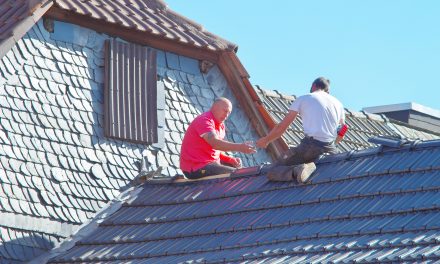
The roof serves as the first line of defense against environmental elements, making regular inspections crucial for maintaining its integrity. Begin by visually inspecting the roof for missing shingles, cracks, or signs of wear. Pay close attention to areas around chimneys, vents, and skylights where leaks are more likely to occur. If any damage is detected, it is advisable to consult a professional roofing contractor for repairs.
Additionally, check the attic for signs of water intrusion or mold growth, which may indicate roof leaks. Proper ventilation in the attic is also essential; inadequate ventilation can lead to heat buildup and moisture accumulation, resulting in roof damage over time. Regular inspections and timely repairs can extend the lifespan of your roof while safeguarding your home from potential water damage.
Trim Trees and Shrubs Away from the House
Landscaping plays a significant role in home aesthetics but can also impact its safety and maintenance needs. Overgrown trees and shrubs can pose risks during storms, potentially damaging roofs or windows if branches break off. Regularly trimming trees and shrubs away from the house not only enhances curb appeal but also reduces fire hazards by creating defensible space around the property.
When trimming trees, ensure that branches are at least three feet away from the roofline to minimize contact during windy conditions. Additionally, consider removing any dead or diseased branches that could fall unexpectedly. Maintaining a clear space around windows allows for better natural light penetration while reducing pest access points. By proactively managing landscaping, homeowners can protect their property while enhancing its visual appeal.
Test Smoke and Carbon Monoxide Detectors
Smoke detectors and carbon monoxide detectors are critical safety devices that should be tested regularly to ensure functionality. Smoke detectors should be tested monthly by pressing the test button; if it does not sound an alarm, replace the batteries immediately or consider replacing the unit if it is over ten years old. Carbon monoxide detectors should also be tested monthly; these devices are essential for detecting this odorless gas that can be lethal in high concentrations.
In addition to testing, it is crucial to install detectors in appropriate locations throughout the home—smoke detectors should be placed on every level of the home and inside each bedroom, while carbon monoxide detectors should be installed near sleeping areas. Regular maintenance of these devices can save lives by providing early warnings in case of fire or carbon monoxide exposure.
Prepare Outdoor Living Spaces and Decks
Outdoor living spaces enhance enjoyment during warmer months but require preparation before use each season. Begin by inspecting decks for any signs of wear or damage; look for loose boards, protruding nails, or signs of rot that could pose safety hazards. Cleaning decks thoroughly with a pressure washer can remove dirt, mold, or mildew buildup that may have accumulated over time.
Consider applying a protective sealant to wooden decks to prevent moisture damage and prolong their lifespan. Additionally, inspect outdoor furniture for wear; clean cushions and surfaces before use to ensure a pleasant experience. By preparing outdoor spaces adequately, homeowners can create inviting environments for relaxation and entertainment while ensuring safety.
Inspect and Maintain Plumbing for Heat Stress
Plumbing systems are often overlooked during seasonal maintenance but are crucial for preventing heat stress-related issues during warmer months. Begin by inspecting pipes for signs of leaks or corrosion; even minor leaks can lead to significant water waste over time. Ensure that all faucets are functioning correctly and that there are no drips when turned off.
Additionally, consider insulating exposed pipes in unconditioned spaces such as attics or basements to prevent heat stress during extreme temperatures. Insulation helps maintain consistent water temperatures while reducing energy costs associated with heating water. Regular plumbing inspections can identify potential issues early on, preventing costly repairs down the line.
Clean and Store Winter Equipment
As warmer weather approaches, it is essential to clean and store winter equipment properly to prolong its lifespan and ensure readiness for future use. Begin by thoroughly cleaning snow blowers, shovels, and other winter tools; remove any debris or rust that may have accumulated during use. For gas-powered equipment like snow blowers, drain fuel tanks before storage to prevent fuel degradation.
Store equipment in a dry location away from direct sunlight to prevent deterioration from UV exposure. Consider using protective covers for larger items like snow blowers or outdoor furniture to shield them from dust and moisture during off-seasons. Proper storage practices not only protect your investment but also ensure that equipment remains functional when winter returns.
Review and Update Emergency Preparedness Supplies
Emergency preparedness is an essential aspect of home safety that should not be overlooked as seasons change. Review emergency supplies regularly to ensure they are up-to-date and accessible in case of natural disasters or other emergencies. Essential items include non-perishable food items, bottled water (at least one gallon per person per day), first aid kits, flashlights with extra batteries, and important documents stored in waterproof containers.
Consider creating an emergency plan that includes evacuation routes and communication strategies with family members in case of separation during an emergency event. Regularly practicing emergency drills can help ensure everyone knows what to do when faced with unexpected situations. By maintaining preparedness supplies and plans, homeowners can enhance their resilience against unforeseen challenges.
In summary, seasonal maintenance is vital for ensuring home safety, comfort, and efficiency throughout the year. From inspecting air conditioning systems to preparing outdoor spaces and reviewing emergency supplies, proactive measures can prevent costly repairs while enhancing overall quality of life within the home environment. Regular inspections combined with timely maintenance practices create a safe haven for families while protecting their investments in property.
FAQs
What are the essential tasks to include in a summer home maintenance checklist?
Essential tasks for a summer home maintenance checklist include inspecting and cleaning air conditioning units, checking and sealing windows and doors for drafts, cleaning gutters and downspouts, inspecting the roof for damage, and servicing outdoor equipment like grills and lawnmowers.
How often should I clean my air conditioning unit during the summer?
It is recommended to clean your air conditioning unit at least once a month during the summer. This includes changing or cleaning the air filters, checking the condenser coils, and ensuring that the drainage system is clear to maintain optimal efficiency.
Why is it important to check for drafts in windows and doors?
Checking for drafts in windows and doors is important because it helps to improve energy efficiency, reduce cooling costs, and maintain a comfortable indoor temperature. Sealing drafts can prevent cool air from escaping and hot air from entering your home.
What should I do to prepare my outdoor spaces for summer?
To prepare outdoor spaces for summer, you should clean and inspect patios and decks, check outdoor furniture for wear and tear, ensure that grills are clean and in good working order, and maintain landscaping by trimming bushes and mowing the lawn.
How can I ensure my roof is ready for summer weather?
To ensure your roof is ready for summer weather, inspect it for missing or damaged shingles, check for signs of leaks or water damage, clean out any debris from gutters, and consider applying a protective coating to reflect sunlight and reduce heat absorption.