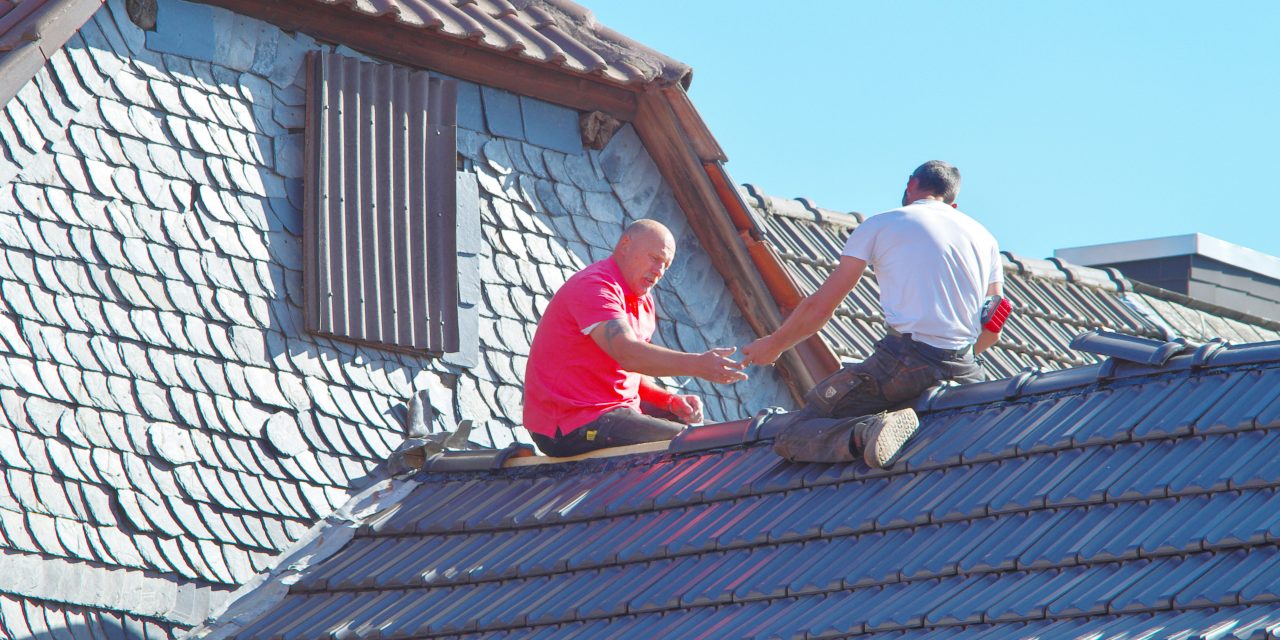
Before embarking on a roof inspection, it is paramount to prioritize safety. The first step involves evaluating the condition of the roof and the surrounding environment. Inspectors should assess the weather conditions; clear skies are ideal, while high winds or rain can pose significant hazards. Additionally, it is crucial to ensure that the ladder used for access is stable and positioned on a flat surface. Inspectors should wear appropriate personal protective equipment (PPE), including non-slip footwear, helmets, and harnesses if necessary.
Furthermore, it is essential to be aware of potential electrical hazards. Inspectors should identify any overhead power lines that may pose a risk during the inspection process. Establishing a safe perimeter around the work area can help mitigate risks associated with falling debris or accidental slips. By taking these precautions, inspectors can significantly reduce the likelihood of accidents and ensure a thorough and safe evaluation of the roof.
Gathering Necessary Tools and Equipment
Equipping oneself with the right tools is vital for an effective roof inspection. A comprehensive toolkit should include a sturdy ladder, a tape measure, a flashlight, and a digital camera for documentation purposes. Additionally, having a notepad or mobile device for taking notes can be beneficial for recording observations during the inspection.
Specialized tools such as a moisture meter can help detect hidden water damage within roofing materials. A pry bar may be necessary for inspecting shingles or flashing, while a caulking gun can assist in making temporary repairs if needed. Having these tools readily available ensures that inspectors can conduct a thorough examination without unnecessary delays or interruptions.
Conducting a Visual Inspection from the Ground

A visual inspection from the ground serves as an initial assessment of the roof’s condition. Inspectors should begin by observing the overall appearance of the roof, looking for any obvious signs of wear or damage. This includes checking for missing shingles, discoloration, or sagging areas that may indicate structural issues.
Additionally, it is important to examine the surrounding landscape for potential hazards. Overhanging branches or debris can pose risks during the inspection process and may also contribute to roof damage over time. By conducting a thorough visual assessment from the ground, inspectors can identify areas that require closer examination and prioritize their efforts accordingly.
Checking for Missing or Damaged Shingles

One of the most common issues encountered during roof inspections is missing or damaged shingles. Inspectors should carefully examine each section of the roof for signs of wear, such as curling, cracking, or granule loss. These indicators can suggest that shingles are nearing the end of their lifespan and may require replacement.
In addition to visual inspection, it is advisable to gently tap on shingles to assess their integrity. Loose or brittle shingles may indicate underlying issues that need to be addressed promptly. If significant damage is detected, inspectors should document their findings and recommend appropriate repair or replacement options to homeowners.
Inspecting Flashing and Roof Seals
Flashing plays a critical role in preventing water intrusion at vulnerable points on the roof, such as chimneys, vents, and valleys. Inspectors should closely examine flashing for signs of rust, cracks, or improper installation. Any gaps or deterioration in flashing can lead to leaks and subsequent water damage within the home.
Roof seals around vents and other protrusions should also be inspected for integrity. Inspectors should look for signs of wear or deterioration in sealants that could compromise waterproofing. If any issues are identified, it is essential to recommend repairs or resealing to maintain the roof’s protective barrier against moisture intrusion.
Looking for Signs of Water Damage Inside the Attic
Water damage within the attic can be indicative of underlying roofing issues that require immediate attention. Inspectors should access the attic space and look for signs of moisture, such as water stains on rafters or insulation. Mold growth is another critical indicator that moisture has penetrated the roofing system.
Additionally, inspectors should check for proper ventilation in the attic. Inadequate ventilation can lead to heat buildup and condensation, exacerbating water damage issues. If any signs of water damage are detected, it is crucial to address both the source of the leak and any resulting damage to prevent further complications.
Examining Gutters and Downspouts for Debris
Gutters and downspouts play a vital role in directing water away from the roof and foundation of a home. Inspectors should examine these components for debris accumulation, such as leaves, twigs, or dirt that can obstruct proper drainage. Clogged gutters can lead to water pooling on the roof, increasing the risk of leaks and structural damage.
Inspectors should also assess the condition of gutters and downspouts themselves. Look for signs of rust, sagging, or separation from the roofline that could compromise their effectiveness. If any issues are identified, it is essential to recommend cleaning and repairs to ensure optimal functionality.
Identifying Structural Damage or Sagging Areas
Structural integrity is paramount when assessing a roof’s condition. Inspectors should look for sagging areas that may indicate underlying issues with rafters or trusses. A sagging roof can be a sign of excessive weight from snow accumulation or water damage that has compromised structural components.
Additionally, inspectors should check for visible cracks in walls or ceilings inside the home that may correlate with structural issues in the roof. If significant structural damage is suspected, it is crucial to recommend further evaluation by a structural engineer or qualified roofing professional to determine necessary repairs.
Documenting Damage for Insurance Purposes
Thorough documentation is essential when addressing roof damage for insurance claims. Inspectors should take detailed photographs of any identified issues, including missing shingles, damaged flashing, and signs of water intrusion. These images serve as visual evidence when filing claims with insurance providers.
In addition to photographs, inspectors should compile written reports outlining their findings and recommendations for repairs. This documentation can facilitate communication with insurance adjusters and ensure that homeowners receive appropriate compensation for necessary repairs.
Knowing When to Call a Professional Roofer
While many homeowners may feel comfortable conducting basic inspections themselves, there are instances when professional assistance is warranted. If significant damage is identified during an inspection or if structural concerns arise, it is advisable to consult with a licensed roofing contractor.
Professional roofers possess specialized knowledge and experience in assessing roofing systems comprehensively. They can provide accurate estimates for repairs or replacements and ensure that work is completed safely and effectively according to local building codes.
Preventative Maintenance Tips After Storm Damage
After experiencing storm damage, homeowners should take proactive steps to maintain their roofs and prevent future issues. Regular inspections following severe weather events can help identify potential problems early on before they escalate into costly repairs.
Homeowners should also consider implementing routine maintenance practices such as cleaning gutters regularly, trimming overhanging branches, and ensuring proper ventilation in attics. Additionally, applying protective coatings or sealants can enhance the longevity of roofing materials and provide an extra layer of defense against harsh weather conditions.
In summary, conducting a thorough roof inspection involves assessing safety measures, gathering necessary tools, and systematically evaluating various components of the roofing system. By identifying potential issues early on and documenting findings accurately, homeowners can take proactive steps toward maintaining their roofs effectively while knowing when to seek professional assistance if needed. Regular preventative maintenance practices can further enhance the longevity and performance of roofing systems after storm damage occurs.
### FAQ Section
1. **How often should I inspect my roof?**
– It is recommended to inspect your roof at least twice a year—once in spring and once in fall—as well as after severe weather events.
2. **What are common signs of roof damage?**
– Common signs include missing shingles, sagging areas, water stains on ceilings or walls, mold growth in attics, and clogged gutters.
3. **Can I perform a roof inspection myself?**
– Yes, homeowners can conduct basic inspections; however, significant damage or structural concerns should be evaluated by a professional roofer.
4. **What tools do I need for a roof inspection?**
– Essential tools include a sturdy ladder, flashlight, tape measure, digital camera for documentation, moisture meter, pry bar, and caulking gun.
5. **How do I know if my flashing needs repair?**
– Look for rust spots, cracks, gaps between flashing and roofing materials, or signs of water intrusion around chimneys and vents.
6. **What should I do if I find water damage in my attic?**
– Address both the source of the leak and any resulting damage immediately; consider consulting with a professional roofer for repairs.
7. **How can I prevent future roof damage?**
– Regular maintenance practices such as cleaning gutters, trimming trees near your home, ensuring proper ventilation in attics, and applying protective coatings can help prevent future issues.
8. **When should I call a professional roofer?**
– If you identify significant damage during your inspection or have concerns about structural integrity, it’s best to consult with a licensed roofing contractor.
9. **What documentation do I need for an insurance claim?**
– Take detailed photographs of all identified issues and compile written reports outlining your findings and recommendations for repairs.
10. **Are there any specific maintenance tips after storm damage?**
– Conduct regular inspections after storms, clean gutters frequently, trim overhanging branches, ensure proper attic ventilation, and consider applying protective coatings to enhance durability.
In conclusion, maintaining a safe and effective roofing system requires diligence in inspections and proactive measures against potential damage. By understanding how to assess roofs properly and knowing when to seek professional help, homeowners can protect their investments while ensuring long-term safety and functionality.
FAQs
What are the signs of roof damage after a thunderstorm?
Signs of roof damage can include missing or damaged shingles, leaks inside the home, visible cracks or holes, and debris accumulation on the roof. Additionally, check for any sagging areas or unusual granule loss in gutters, which can indicate shingle deterioration.
How soon should I inspect my roof after a severe thunderstorm?
It is advisable to inspect your roof as soon as it is safe to do so after the storm has passed. Waiting too long can lead to further damage, especially if there are leaks or compromised areas that could worsen with subsequent rain.
What safety precautions should I take while inspecting my roof?
When inspecting your roof, ensure you use a sturdy ladder and wear non-slip shoes. Avoid inspecting during wet or windy conditions, and consider using a harness if you need to access steep areas. If you are uncomfortable or unsure, it is best to hire a professional.
Should I document the damage, and how can I do that?
Yes, documenting the damage is important for insurance claims. Take clear photographs of any visible damage from multiple angles, and make notes of specific issues you observe. This documentation can help expedite the claims process with your insurance provider.
When should I call a professional for roof repairs?
If you notice significant damage, such as large areas of missing shingles, structural issues, or persistent leaks, it is best to call a professional roofer. Additionally, if you are unsure about the extent of the damage or how to safely make repairs, a professional can provide a thorough assessment and necessary repairs.