Homeownership is a rewarding journey, but it often comes with its fair share of challenges. From minor repairs to significant renovations, having the right tools at your disposal can make all the difference. Essential repair tools not only empower homeowners to tackle projects with confidence but also save time and money by reducing reliance on professional services. A well-equipped toolbox is an investment in your home’s longevity and functionality, enabling you to address issues promptly and effectively.
Understanding the importance of essential repair tools is crucial for every homeowner. These tools serve as the foundation for maintaining and enhancing your living space. Whether you are hanging a picture frame, assembling furniture, or fixing a leaky faucet, having the right equipment ensures that tasks are completed efficiently and safely. In this article, we will explore ten indispensable tools that every homeowner should have in their arsenal, detailing their functions, benefits, and best practices for use.
Hammer: The Foundation of Every Toolbox
The hammer is arguably the most fundamental tool in any homeowner’s toolkit. This versatile instrument is primarily used for driving nails into various materials, such as wood, drywall, and even masonry. Hammers come in various types, including claw hammers, sledgehammers, and ball-peen hammers, each designed for specific applications. The claw hammer, with its dual functionality of driving and removing nails, is particularly essential for general repairs and construction tasks.
When selecting a hammer, consider factors such as weight, grip comfort, and material. A standard 16-ounce claw hammer is ideal for most household tasks, providing a balance between power and control. Proper technique is crucial when using a hammer; ensure that you maintain a firm grip and strike with precision to avoid damaging surfaces or injuring yourself. Regular maintenance, such as checking for loose heads or worn grips, will prolong the life of your hammer and enhance its performance.
Screwdrivers: Flathead and Phillips for Versatility

Screwdrivers are another cornerstone of any repair toolkit, offering versatility in fastening and loosening screws. The two most common types are flathead and Phillips screwdrivers. Flathead screwdrivers feature a single flat blade that fits into the slot of a screw head, while Phillips screwdrivers have a cross-shaped tip designed to provide better grip and torque. Having both types on hand allows homeowners to tackle a wide range of tasks, from assembling furniture to repairing appliances.
When choosing screwdrivers, consider investing in a set that includes various sizes to accommodate different screw types. Ergonomic handles can enhance comfort during prolonged use, reducing hand fatigue. Additionally, magnetic tips can be beneficial for holding screws in place while working in tight or awkward spaces. Regularly inspect your screwdrivers for wear and tear; replacing damaged tools will ensure optimal performance and prevent potential accidents.
Adjustable Wrench: For Tightening and Loosening Nuts

An adjustable wrench is an essential tool for any homeowner dealing with plumbing or mechanical repairs. This versatile tool features a movable jaw that allows it to grip nuts and bolts of various sizes securely. The ability to adjust the jaw width makes it an invaluable asset when working on different projects without needing multiple fixed-size wrenches.
When using an adjustable wrench, ensure that the jaw is properly adjusted to fit the fastener snugly. Applying excessive force can lead to slipping or stripping the fastener, resulting in damage or injury. For optimal performance, choose a wrench made from durable materials such as chrome vanadium steel, which offers strength and resistance to corrosion. Regularly clean your adjustable wrench to remove debris and lubricate moving parts to maintain smooth operation.
Tape Measure: Precision in Every Project
Precision is paramount in home repairs and renovations, making a tape measure an indispensable tool for any homeowner. This flexible measuring device allows for accurate measurements of length, width, and height, ensuring that projects are executed with precision. Tape measures typically feature both metric and imperial units, catering to various preferences and project requirements.
When selecting a tape measure, consider factors such as length (typically ranging from 12 to 25 feet), durability (look for reinforced cases), and ease of use (a locking mechanism can enhance accuracy). Regularly check your tape measure for accuracy by measuring known lengths; this will help ensure that your measurements remain reliable over time. Proper storage is also essential; keeping your tape measure in a dry environment will prevent rusting and prolong its lifespan.
Utility Knife: Cutting with Confidence
A utility knife is an essential cutting tool that every homeowner should have on hand. This versatile instrument is ideal for various tasks, including cutting cardboard, trimming wallpaper, or opening packages. Utility knives typically feature retractable blades that can be easily replaced when dull or damaged, ensuring consistent cutting performance.
When using a utility knife, always prioritize safety by cutting away from your body and using a stable surface as a cutting board. Consider investing in a knife with an ergonomic handle for improved grip and comfort during extended use. Regularly inspect the blade for sharpness; dull blades can lead to accidents as users apply excessive force while cutting. Proper storage of your utility knife is crucial; consider using a sheath or designated drawer to prevent accidental injuries.
Cordless Drill: Power and Convenience Combined
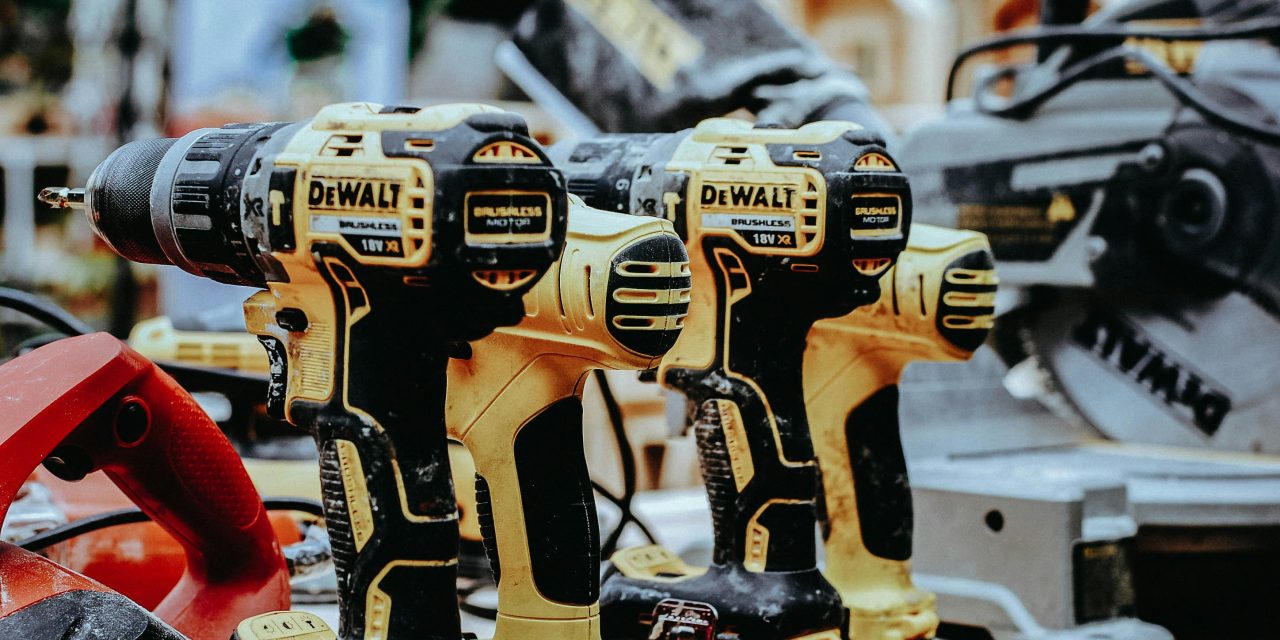
A cordless drill is one of the most powerful tools in any homeowner’s toolkit, combining convenience with versatility. This battery-operated device allows for drilling holes and driving screws without the constraints of cords or outlets. Cordless drills come equipped with various features such as adjustable speed settings, torque control, and interchangeable drill bits, making them suitable for a wide range of applications.
When selecting a cordless drill, consider factors such as battery life (lithium-ion batteries are preferred for their longevity), weight (lighter models are easier to handle), and chuck size (typically 1/2 inch for standard applications). Regular maintenance includes cleaning the drill after use and checking battery connections for corrosion. Proper usage techniques—such as applying consistent pressure while drilling—will enhance performance and prolong the life of your drill.
Level: Ensuring Perfect Alignment
Achieving perfect alignment is crucial in many home improvement projects, making a level an essential tool for homeowners. Levels come in various forms, including spirit levels (with liquid-filled vials) and digital levels (which provide electronic readings). These tools help ensure that shelves are straight, pictures are hung evenly, and furniture is assembled correctly.
When using a level, place it on the surface you wish to measure and adjust until the bubble is centered between the lines (for spirit levels) or until the digital display indicates level (for digital levels). Regularly calibrate your level to ensure accuracy; this may involve checking against known level surfaces or using calibration tools if available. Proper storage—keeping levels in protective cases—will prevent damage during transport or storage.
Pliers: Gripping, Bending, and Cutting Made Easy
Pliers are versatile hand tools that every homeowner should include in their repair kit. They come in various types—such as needle-nose pliers for precision work, slip-joint pliers for gripping irregular shapes, and wire cutters for cutting wires—each designed for specific tasks. Pliers are invaluable when working with electrical components, plumbing fixtures, or general repairs around the house.
When selecting pliers, consider ergonomics; cushioned grips can enhance comfort during prolonged use. Regularly inspect your pliers for wear or damage; replacing worn tools will ensure optimal performance and safety during use. Proper technique is essential; always use pliers at their pivot point for maximum leverage while avoiding excessive force that could lead to slipping or injury.
Stud Finder: Locating Support Behind Walls
A stud finder is an essential tool for homeowners looking to hang heavy items such as shelves or televisions securely on walls. This device detects wooden or metal studs behind drywall or plaster surfaces, ensuring that fasteners are anchored into solid support rather than hollow spaces that could lead to accidents or damage.
When using a stud finder, follow the manufacturer’s instructions carefully; most devices require calibration before use. Move the stud finder horizontally across the wall until it indicates the presence of a stud—usually through lights or audible signals. Regularly check batteries to ensure optimal performance; dead batteries can lead to inaccurate readings. Understanding wall construction can also enhance effectiveness; knowing where electrical wiring may be located will help avoid potential hazards during installation.
Safety Gear: Protecting Yourself During Repairs
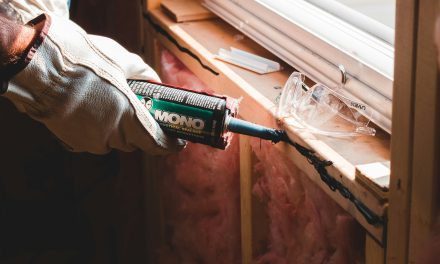
Safety should always be a priority when undertaking home repairs; therefore, investing in appropriate safety gear is essential for every homeowner. Basic safety equipment includes safety goggles to protect your eyes from debris, gloves to shield your hands from cuts or abrasions, and ear protection when using loud power tools.
When selecting safety gear, ensure that it meets relevant safety standards; look for certifications indicating compliance with industry regulations. Regularly inspect your gear for wear or damage; replacing compromised equipment will ensure optimal protection during repairs. Additionally, familiarize yourself with safe practices—such as maintaining a clean workspace—to minimize risks associated with home improvement projects.
Building Your Ultimate Home Repair Kit
In conclusion, equipping yourself with essential repair tools is vital for every homeowner looking to maintain their property effectively. From hammers and screwdrivers to safety gear and stud finders, each tool plays a crucial role in ensuring successful home repairs and improvements. By investing in quality equipment and understanding proper usage techniques, homeowners can tackle projects confidently while enhancing their living spaces.
Building an ultimate home repair kit involves not only acquiring these essential tools but also committing to regular maintenance and safety practices. As you embark on your home improvement journey, remember that preparation is key—having the right tools at your disposal will empower you to address challenges head-on while fostering a sense of accomplishment in caring for your home.
In summary:
– Essential repair tools empower homeowners to tackle projects confidently.
– Key tools include hammers, screwdrivers (flathead & Phillips), adjustable wrenches, tape measures, utility knives, cordless drills, levels, pliers, stud finders, and safety gear.
– Proper selection, usage techniques, maintenance practices, and safety precautions are crucial for effective home repairs.
– Investing in quality equipment enhances efficiency while ensuring safety during projects.
– A well-equipped toolbox fosters independence in home maintenance while promoting long-term property value.
FAQs
What are the essential tools needed for basic home repairs?
Essential tools for basic home repairs typically include a hammer, screwdrivers (both flathead and Phillips), pliers, a tape measure, a utility knife, a level, and a set of wrenches. Additionally, having a cordless drill and a stud finder can be very helpful for various tasks.
How can I choose the right power tools for home repair projects?
When choosing power tools for home repair projects, consider the types of tasks you will be performing. Look for tools that are versatile, durable, and easy to use. Brands with good warranties and customer support are also recommended. Start with basic tools like a drill, saw, and sander, and expand your collection as needed.
What safety equipment should I use while performing home repairs?
Safety equipment is crucial when performing home repairs. Recommended safety gear includes safety goggles to protect your eyes, gloves to protect your hands, a dust mask or respirator for respiratory protection, and ear protection if you are using loud power tools. Additionally, wearing sturdy footwear can help prevent injuries.
How do I maintain my home repair tools and equipment?
To maintain your home repair tools and equipment, regularly clean them after use to remove dirt and debris. Store them in a dry place to prevent rust and damage. For power tools, check the batteries and cords for wear, and lubricate moving parts as needed. Following the manufacturer’s instructions for maintenance can also prolong the life of your tools.
Where can I find reliable information on using home repair tools?
Reliable information on using home repair tools can be found in various sources, including home improvement books, online tutorials, and instructional videos on platforms like YouTube. Additionally, many hardware stores offer workshops and classes that can provide hands-on experience and guidance on using specific tools effectively.