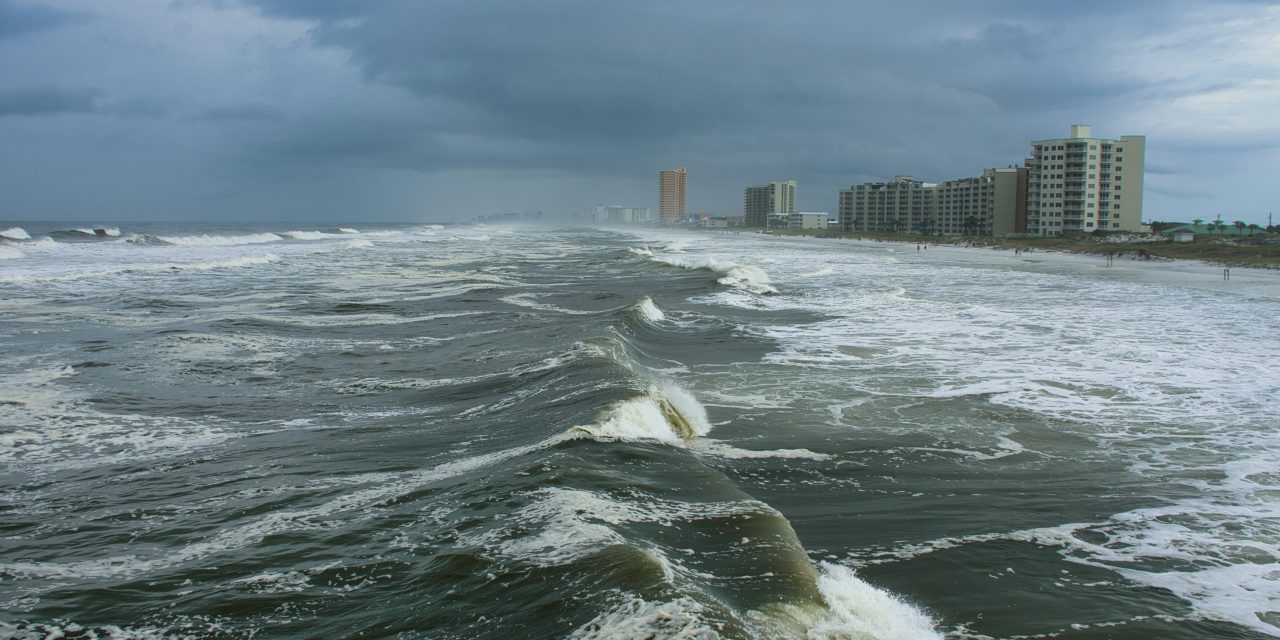
Hurricanes are formidable natural disasters characterized by intense winds, heavy rainfall, and storm surges that can lead to catastrophic damage. Understanding the risks associated with hurricanes in your area is crucial for effective preparedness. The National Oceanic and Atmospheric Administration (NOAA) categorizes hurricanes into five categories based on their wind speeds and potential for destruction. For instance, Category 1 hurricanes have wind speeds of 74-95 mph, while Category 5 storms exceed 157 mph, causing devastating impacts on infrastructure and ecosystems.
To assess the risk level in your locality, consider factors such as geographical location, historical hurricane data, and local topography. Coastal regions are particularly vulnerable due to their proximity to the ocean, which can exacerbate storm surges. Additionally, areas with low elevation may experience flooding more severely than higher ground. Utilize resources like FEMA’s Flood Map Service Center to determine flood zones and potential hazards specific to your region. Understanding these risks enables you to develop a tailored emergency plan that addresses the unique challenges posed by hurricanes in your vicinity.
Creating a Family Emergency Communication Plan
A well-structured family emergency communication plan is essential for ensuring that all members remain connected during a hurricane. Begin by designating a primary point of contact outside your immediate area, such as a relative or friend, who can relay information if local communication systems fail. This individual should be aware of your family’s specific needs and locations.
Next, establish a clear communication strategy that includes multiple methods of contact—text messages, social media, and phone calls—since some channels may be more reliable than others during a disaster. Conduct regular family meetings to review the plan and practice emergency scenarios, ensuring that everyone understands their roles and responsibilities. Additionally, consider utilizing mobile applications designed for emergency alerts and communication to stay informed about weather updates and evacuation orders.
Stocking Up on Essential Supplies and Provisions

Preparation for a hurricane necessitates the accumulation of essential supplies and provisions to sustain your family during and after the storm. The Federal Emergency Management Agency (FEMA) recommends assembling a disaster supply kit that includes non-perishable food items, water (one gallon per person per day for at least three days), medications, first aid supplies, flashlights, batteries, and hygiene products.
In addition to these basics, consider including items specific to your family’s needs, such as baby formula, pet food, or specialized medical equipment. It is advisable to store supplies in waterproof containers to protect them from potential flooding. Regularly check expiration dates on food and medications to ensure they remain viable when needed. By proactively stocking up on these essentials, you can mitigate the stress of last-minute shopping during an impending storm.
Securing Important Documents and Valuables

In the chaos of a hurricane, safeguarding important documents and valuables is paramount. Create a comprehensive list of essential documents such as identification cards, insurance policies, medical records, property deeds, and financial statements. Store these documents in a waterproof container or a fireproof safe to protect them from water damage or fire.
Additionally, consider digitizing important paperwork by scanning them into secure cloud storage or external hard drives. This ensures that you have access to critical information even if physical copies are lost or damaged. Furthermore, take inventory of valuable possessions by photographing them and noting their condition. This documentation can be invaluable for insurance claims following a disaster.
Preparing Your Home’s Exterior: Windows, Doors, and Roof
The exterior of your home plays a significant role in its ability to withstand hurricane conditions. Begin by reinforcing windows and doors with storm shutters or plywood boards to prevent shattering from high winds and flying debris. Ensure that all entry points are securely fastened and consider installing impact-resistant doors for added protection.
Inspect your roof for any vulnerabilities such as loose shingles or leaks. A well-maintained roof is crucial for preventing water intrusion during heavy rainfall. If necessary, consult with a roofing professional to assess the integrity of your roof and make any necessary repairs or reinforcements. Additionally, trim overhanging branches that could pose a risk of falling onto your home during strong winds.
Clearing Gutters, Drains, and Outdoor Debris
Proper drainage is vital for minimizing flooding risks during a hurricane. Regularly clear gutters and downspouts of leaves and debris to ensure that rainwater can flow freely away from your home’s foundation. Clogged gutters can lead to water pooling around your property, increasing the likelihood of water damage.
In addition to gutters, inspect outdoor drains and ensure they are unobstructed. Remove any debris from driveways, patios, and yards that could become projectiles in high winds. Secure or bring indoors any outdoor furniture or decorations that could be blown away or cause damage during the storm. Taking these proactive measures can significantly reduce the risk of flooding and property damage.
Inspecting and Reinforcing Your Home’s Structural Integrity
A thorough inspection of your home’s structural integrity is essential for hurricane preparedness. Begin by examining the foundation for cracks or signs of weakness that could compromise stability during severe weather events. If you identify any issues, consult with a structural engineer for recommendations on reinforcement techniques.
Additionally, assess the overall construction quality of your home. Homes built to modern building codes are typically better equipped to withstand hurricanes than older structures. Consider retrofitting your home with hurricane straps or ties that secure the roof to the walls, enhancing its ability to resist uplift forces during high winds. Investing in these improvements can provide peace of mind knowing that your home is better prepared for potential hurricane impacts.
Setting Up Backup Power Sources and Emergency Lighting
Power outages are common during hurricanes due to downed power lines and infrastructure damage. To ensure your family remains safe and comfortable during these outages, consider investing in backup power sources such as generators or solar-powered systems. Generators can provide electricity for essential appliances like refrigerators and medical devices but require proper installation and maintenance to operate safely.
In addition to backup power sources, equip your home with emergency lighting options such as battery-operated lanterns or solar-powered lights. These alternatives provide illumination during power outages without relying on traditional electricity sources. Ensure that you have an adequate supply of batteries on hand for flashlights and other devices. By preparing for power disruptions ahead of time, you can maintain safety and comfort during a hurricane.
Protecting Pets and Livestock During a Hurricane
Pets and livestock are integral members of many families; therefore, their safety during a hurricane should not be overlooked. Begin by creating an emergency plan specifically for your animals that includes provisions for food, water, shelter, and transportation. Ensure that pets are microchipped or wear identification tags with updated contact information in case they become separated from you during an evacuation.
If you have livestock, identify safe locations where they can be sheltered from high winds and flooding. Stock up on feed and water supplies in advance to ensure their needs are met during emergencies when access may be limited. Additionally, familiarize yourself with local animal shelters or evacuation centers that accept pets so you can make informed decisions about where to go if evacuation becomes necessary.
Planning Evacuation Routes and Safe Shelters
Having a well-defined evacuation plan is critical for ensuring the safety of your family during a hurricane. Research local evacuation routes designated by authorities and familiarize yourself with alternative paths in case primary routes become impassable due to flooding or debris. Keep an updated map in your emergency kit that highlights these routes.
Identify safe shelters within your community where you can seek refuge if evacuation becomes necessary. Local schools, community centers, or designated emergency shelters often serve as safe havens during disasters. Before an emergency arises, contact these facilities to understand their policies regarding pets and what supplies you should bring along when evacuating.
Reviewing Insurance Policies and Documenting Property Condition
Reviewing your insurance policies is an essential step in hurricane preparedness that can save you significant financial stress after a disaster strikes. Ensure that your homeowners’ insurance covers hurricane-related damages such as windstorm damage or flooding; if not, consider purchasing additional coverage or flood insurance through the National Flood Insurance Program (NFIP).
Documenting the condition of your property before a hurricane occurs is equally important for insurance claims processing post-disaster. Take detailed photographs or videos of your home’s interior and exterior features along with valuable possessions. Store this documentation securely online or in a waterproof container alongside important documents so it remains accessible when needed.
In summary, preparing for hurricanes involves understanding risks specific to your area while creating comprehensive plans for communication, supplies, home security, pet safety, evacuation routes, insurance coverage, and property documentation. By taking proactive measures across these areas, families can enhance their resilience against hurricanes while ensuring safety during these unpredictable natural events.
FAQs
What items should be included in a hurricane emergency kit?
A hurricane emergency kit should include essential items such as non-perishable food, water (at least one gallon per person per day for three days), a flashlight, batteries, a first aid kit, medications, important documents, cash, and a multi-tool. Additionally, consider including items like a whistle, dust masks, moist towelettes, and a manual can opener.
How can homeowners protect their windows during a hurricane?
Homeowners can protect their windows by installing storm shutters, using plywood boards to cover windows, or applying impact-resistant window film. It’s important to secure these protections well in advance of a hurricane to ensure they are effective against high winds and flying debris.
What steps should be taken to secure outdoor items before a hurricane?
Before a hurricane, homeowners should secure outdoor items by bringing in or anchoring down furniture, grills, and decorations. This includes securing potted plants, bicycles, and any other loose items that could become projectiles in high winds. If possible, store these items in a garage or shed.
How can homeowners prepare their roofs for a hurricane?
Homeowners can prepare their roofs by inspecting for loose or damaged shingles and making necessary repairs. It’s also advisable to clear gutters and downspouts of debris to prevent water buildup. Additionally, consider reinforcing the roof structure and ensuring that it is securely attached to the walls of the house.
What should homeowners do if they need to evacuate during a hurricane?
If evacuation is necessary, homeowners should have a plan in place that includes a designated safe location, a packed emergency kit, and a means of transportation. It’s important to stay informed through local news and weather updates, and to leave early to avoid traffic and ensure safety. Make sure to inform family members of your plans and check on neighbors who may need assistance.