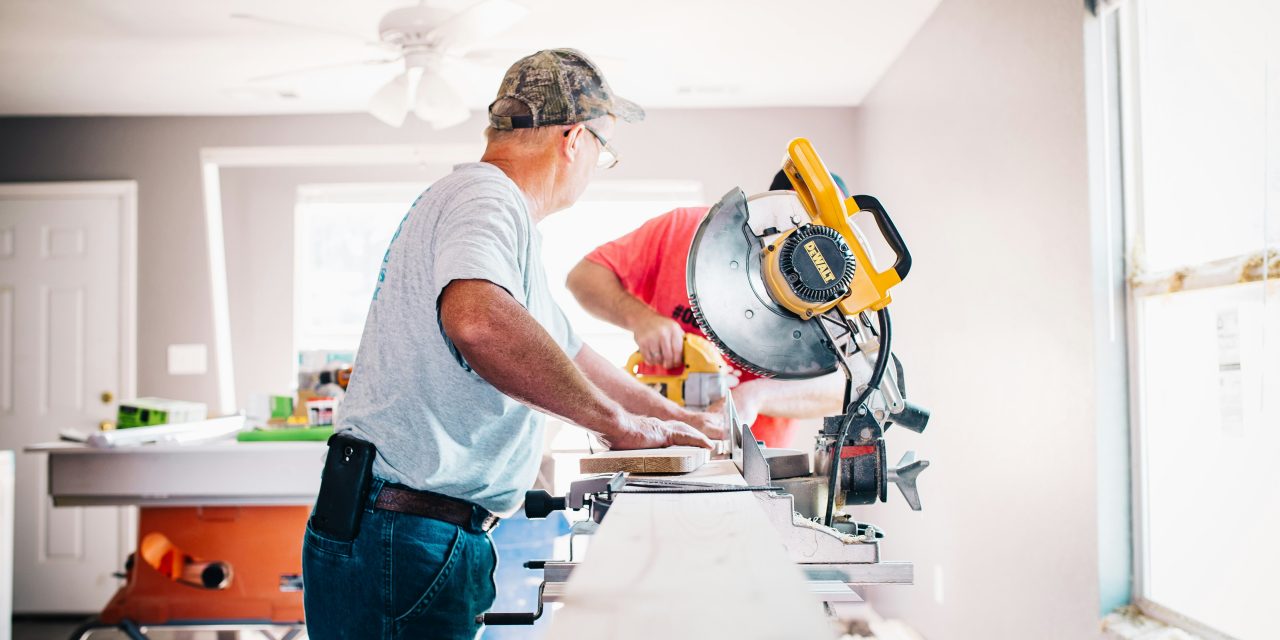
Every homeowner should be equipped with a fundamental set of tools that can address a variety of common household tasks. A well-stocked toolbox not only empowers individuals to tackle minor repairs but also fosters a sense of independence and confidence in home maintenance. Essential tools include a hammer, screwdrivers (both flathead and Phillips), pliers, a tape measure, and a utility knife. These items form the backbone of any DIY toolkit, enabling homeowners to perform basic tasks such as hanging pictures, assembling furniture, or tightening loose screws.
In addition to these basics, more specialized tools can enhance your repair capabilities. A cordless drill is invaluable for drilling holes and driving screws quickly and efficiently. A level ensures that shelves and frames are hung straight, while a stud finder helps locate wall studs for secure mounting. Investing in a quality set of wrenches can also be beneficial for plumbing repairs. By having these essential tools on hand, homeowners can effectively manage routine maintenance and minor repairs, ultimately saving time and money.
How to Identify Common Household Problems Early
Early detection of household issues can prevent minor inconveniences from escalating into significant problems. Regular inspections of your home can help identify potential issues before they become costly repairs. For instance, checking for signs of water damage, such as discoloration on ceilings or walls, can indicate leaks that need immediate attention. Additionally, inspecting windows and doors for drafts can reveal issues with insulation or sealing that may lead to increased energy costs.
Another common problem is the presence of pests. Regularly checking for signs of infestations, such as droppings or nests, can help homeowners take proactive measures before the situation worsens. Furthermore, monitoring appliances for unusual noises or performance issues can signal the need for maintenance or replacement. By being vigilant and conducting routine checks, homeowners can address problems early, ensuring a safe and comfortable living environment.
Quick Fixes for Leaky Faucets to Prevent Water Waste

Leaky faucets are not only annoying but also contribute to significant water waste over time. A single drip can waste over 3,000 gallons of water annually, making it crucial to address this issue promptly. The first step in fixing a leaky faucet is to identify the type of faucet you have—compression, cartridge, ball, or ceramic disk—as each type has different components that may require replacement.
To fix a leaky faucet, start by turning off the water supply and draining any remaining water from the faucet. Disassemble the faucet carefully, taking note of the order of components for reassembly. Common culprits for leaks include worn washers or O-rings, which can be replaced easily with parts available at hardware stores. After replacing the faulty components, reassemble the faucet and turn the water supply back on to check for leaks. This simple fix not only conserves water but also reduces your utility bills.
Simple Wall Repair Techniques for Cracks and Holes

Walls endure wear and tear over time, leading to cracks and holes that detract from the aesthetic appeal of your home. Fortunately, repairing these imperfections is a straightforward process that can be accomplished with minimal tools and materials. For small cracks, a tube of spackling compound or joint compound can be used to fill in the gaps. Simply apply the compound with a putty knife, smoothing it out to match the surrounding wall texture.
For larger holes, a patching kit may be necessary. Begin by cutting away any loose drywall around the hole and then apply a patch using adhesive mesh tape or a pre-made patch. Once secured, cover the patch with joint compound, feathering it out to blend with the existing wall surface. After drying, sand the area smooth and repaint as needed. These simple wall repair techniques can significantly enhance your home’s appearance while preserving its structural integrity.
DIY Electrical Safety Tips Before Starting Repairs
Electrical repairs can be daunting and potentially hazardous if proper safety precautions are not taken. Before embarking on any electrical project, it is essential to prioritize safety by turning off power at the circuit breaker to prevent accidental shocks. Use a voltage tester to confirm that the power is off before touching any wires or fixtures.
Wearing appropriate personal protective equipment (PPE), such as insulated gloves and safety goggles, is also crucial when working with electrical components. Additionally, familiarize yourself with local electrical codes and regulations to ensure compliance during repairs. If you encounter complex wiring issues or feel uncertain about your abilities, it is advisable to consult a licensed electrician rather than risking injury or damage.
Efficient Ways to Unclog Drains Without Harsh Chemicals
Clogged drains are a common household nuisance that can lead to unpleasant odors and slow drainage. While chemical drain cleaners are often marketed as quick solutions, they can be harmful to both plumbing systems and the environment. Instead, consider using natural methods to unclog drains effectively.
One efficient method involves using a mixture of baking soda and vinegar. Pour half a cup of baking soda down the drain followed by half a cup of vinegar. Allow the mixture to fizz for about 30 minutes before flushing it with hot water. This combination helps break down grease and debris without damaging pipes. For more stubborn clogs, a plunger or a plumber’s snake can be employed to dislodge blockages mechanically. These eco-friendly alternatives not only clear drains but also promote healthier plumbing systems.
Maintaining Your HVAC System to Avoid Costly Breakdowns
Regular maintenance of your HVAC system is essential for ensuring optimal performance and longevity while preventing costly breakdowns. Homeowners should schedule annual inspections by certified technicians who can assess system efficiency and identify potential issues before they escalate. During these inspections, technicians will clean coils, check refrigerant levels, and inspect electrical components.
In addition to professional maintenance, homeowners can take proactive steps to care for their HVAC systems. Changing air filters regularly—typically every 1-3 months—ensures proper airflow and improves indoor air quality. Keeping outdoor units clear of debris and vegetation allows for efficient operation while monitoring thermostat settings can help optimize energy usage. By prioritizing HVAC maintenance, homeowners can enjoy comfortable living conditions year-round while minimizing repair costs.
Easy Door and Window Repairs to Improve Energy Efficiency
Drafty doors and windows can significantly impact energy efficiency in your home, leading to increased heating and cooling costs. Simple repairs can enhance insulation and reduce energy loss effectively. Start by inspecting weather stripping around doors and windows; if it appears worn or damaged, replace it with new material available at hardware stores.
Another effective method is applying caulk around window frames and door edges to seal gaps that allow air infiltration. For sliding doors or windows that stick, lubricating tracks with silicone spray can improve functionality while preventing further wear. These easy repairs not only enhance energy efficiency but also contribute to a more comfortable living environment.
How to Patch and Paint Like a Pro on a Budget
Patching and painting walls can dramatically transform the appearance of any room without breaking the bank. To achieve professional-looking results on a budget, start by gathering quality materials such as primer, paintbrushes, rollers, painter’s tape, and drop cloths.
Begin by patching any holes or cracks using spackling compound or joint compound as previously discussed. Once repairs are complete and dry, apply primer to ensure even paint coverage—especially important when transitioning between different colors or finishes. When painting, use painter’s tape along edges for clean lines and avoid drips by applying multiple thin coats rather than one thick layer. By following these steps meticulously, homeowners can achieve stunning results while staying within budget constraints.
When to DIY and When to Call a Professional
Determining when to tackle home repairs yourself versus when to enlist professional help is crucial for ensuring safety and quality outcomes. Simple tasks such as painting walls or changing light fixtures are typically manageable for most homeowners with basic skills and tools. However, more complex projects—such as electrical work or major plumbing repairs—should be left to licensed professionals due to safety concerns and potential code violations.
Additionally, if you find yourself overwhelmed by a project or lacking the necessary skills or tools, it may be wise to consult an expert rather than risking injury or subpar results. Ultimately, understanding your limitations will help you make informed decisions about home repairs while ensuring your safety and satisfaction.
Tips for Organizing Your Home Repair Projects to Save Time
Effective organization is key to managing home repair projects efficiently while minimizing stress and wasted time. Start by creating a comprehensive list of tasks that need attention throughout your home; prioritize them based on urgency and complexity. This approach allows you to focus on one project at a time without feeling overwhelmed by multiple responsibilities.
Gather all necessary tools and materials before starting each project to avoid interruptions during work sessions. Designate specific areas in your garage or storage space for tools and supplies so they are easily accessible when needed. Additionally, consider setting realistic timelines for each project based on your availability and skill level; this will help you stay motivated while ensuring quality results.
In summary, being proactive about home maintenance empowers homeowners to address common issues effectively while saving time and money in the long run. By understanding essential tools, identifying problems early, implementing quick fixes for leaks or clogs, maintaining HVAC systems diligently, and organizing repair projects efficiently, individuals can create a safe and comfortable living environment that enhances their quality of life.
FAQs
What are some basic tools needed for DIY home repairs?
Basic tools for DIY home repairs typically include a hammer, screwdrivers (both flathead and Phillips), pliers, a tape measure, a utility knife, a level, and a drill. Having these tools on hand can help you tackle a variety of common repair tasks around the house.
How can I fix a leaky faucet?
To fix a leaky faucet, first turn off the water supply. Then, remove the faucet handle and unscrew the packing nut to access the cartridge or washer. Replace any worn parts, reassemble the faucet, and turn the water supply back on to check for leaks.
What are some tips for patching drywall?
To patch drywall, start by cutting out the damaged area in a square or rectangle shape. Use a piece of new drywall to fill the hole, securing it with screws. Apply joint compound over the seams, feathering it out to blend with the surrounding wall. Once dry, sand it smooth and paint to match the existing wall.
How do I unclog a drain without chemicals?
To unclog a drain without chemicals, try using a plunger to create suction and dislodge the blockage. If that doesn’t work, you can use a mixture of baking soda and vinegar. Pour half a cup of baking soda followed by half a cup of vinegar down the drain, let it sit for 30 minutes, then flush with hot water.
What safety precautions should I take during DIY repairs?
When performing DIY repairs, always wear appropriate safety gear such as gloves and goggles. Ensure your workspace is well-lit and free of hazards. If using power tools, read the instructions carefully and follow all safety guidelines. Additionally, be cautious when working with electricity or plumbing, and consider turning off power or water supplies as needed.