Early detection of roof leaks is paramount for maintaining the structural integrity of a home. A seemingly minor leak can escalate into significant damage if left unaddressed, leading to costly repairs and potential health hazards due to mold growth. The roof serves as the first line of defense against environmental elements, and any breach can compromise not only the roofing material but also the underlying structures, insulation, and interior finishes.
Moreover, early identification of leaks can save homeowners substantial amounts of money in the long run. According to the National Roofing Contractors Association (NRCA), the average cost of roof repairs can range from $300 to $1,500, depending on the severity of the damage. However, if a leak is detected early, repairs may only cost a fraction of that amount. Therefore, understanding the importance of proactive measures in leak detection is essential for every homeowner.
Common Signs of a Roof Leak Inside Your Home
Identifying the signs of a roof leak early can prevent extensive damage and costly repairs. Homeowners should be vigilant for several indicators that may suggest a leak is present. One of the most common signs is water stains on ceilings or walls, which often appear as yellowish or brownish discolorations. These stains can indicate that water has penetrated through the roofing material and is pooling within the structure.
Another telltale sign is the presence of mold or mildew, which thrives in damp environments. If you notice a musty odor or visible mold growth in areas such as bathrooms or attics, it may be a sign that water is infiltrating your home. Additionally, peeling paint or wallpaper can also indicate moisture issues, as water can cause these materials to lose adhesion and deteriorate over time. Recognizing these signs promptly can lead to timely interventions and prevent further complications.
Inspecting Your Attic for Water Damage Indicators

The attic is often the first area where signs of a roof leak become apparent. Homeowners should conduct regular inspections of this space to identify potential water damage indicators. Look for damp insulation, which may feel heavy or appear discolored. Wet insulation loses its effectiveness, leading to increased energy costs and potential structural issues.
Additionally, check for any visible signs of mold growth on wooden beams or rafters. Mold can spread rapidly in humid conditions, posing health risks to occupants. Homeowners should also inspect for any rust on metal components, such as nails or brackets, as this can indicate prolonged exposure to moisture. By regularly inspecting the attic for these indicators, homeowners can catch leaks early and mitigate further damage.
Checking Roof Shingles and Flashing for Visible Damage

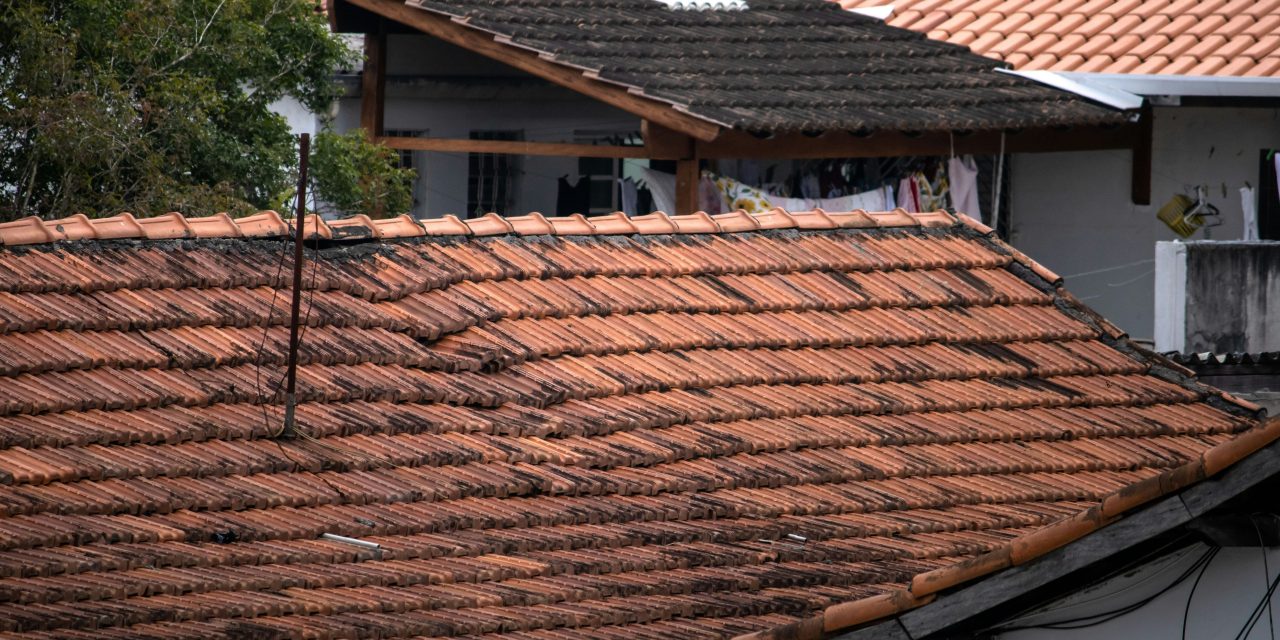
A thorough examination of roof shingles and flashing is crucial in identifying potential leaks. Shingles should be inspected for any signs of curling, cracking, or missing pieces. Damaged shingles compromise the roof’s ability to shed water effectively, increasing the risk of leaks. Homeowners should also pay attention to areas where shingles meet other structures, such as chimneys or vents, as these are common points of failure.
Flashing, which is typically made from metal or plastic, serves as a barrier against water intrusion at joints and seams. Inspecting flashing for rust, gaps, or deterioration is essential in preventing leaks. If any damage is detected during this inspection, prompt repairs or replacements should be made to ensure the roof remains watertight.
Using Water Hose Testing to Locate Hidden Leaks
Water hose testing is an effective method for locating hidden leaks that may not be immediately visible during a standard inspection. This technique involves simulating rainfall by directing water onto specific areas of the roof while monitoring for signs of leakage inside the home. Homeowners should start at the lowest point of the roof and work their way up, focusing on areas around chimneys, vents, and valleys where leaks are more likely to occur.
During this process, it is essential to have someone inside the home monitoring for any signs of water intrusion. If water begins to seep through ceilings or walls during testing, it indicates a breach in the roofing system that requires immediate attention. This method allows homeowners to pinpoint problem areas accurately and address them before they escalate into more significant issues.
Identifying Roof Leak Sources Around Chimneys and Vents
Chimneys and vents are common culprits when it comes to roof leaks due to their unique structural characteristics. The intersection between these features and the roof creates potential entry points for water if not properly sealed. Homeowners should inspect the flashing around chimneys and vents for any signs of deterioration or gaps that could allow moisture to penetrate.
Additionally, it is crucial to check for cracks in masonry or caulking around chimneys that may have developed over time. These cracks can serve as pathways for water infiltration. Regular maintenance and sealing of these areas can significantly reduce the risk of leaks associated with chimneys and vents.
Monitoring Ceiling Stains and Wall Discoloration
Ceiling stains and wall discoloration are often among the first visible signs of a roof leak inside a home. Homeowners should monitor these areas closely for changes in color or texture. Stains may appear as yellowish or brown patches that indicate prolonged exposure to moisture. If left untreated, these stains can worsen over time and lead to more severe structural damage.
In addition to visual monitoring, homeowners should also pay attention to any changes in texture or peeling paint around stained areas. These changes can indicate that moisture is still present and that further action is necessary to address the underlying leak. Promptly addressing these issues can prevent further deterioration and protect the home’s interior.
Utilizing Moisture Meters and Infrared Cameras for Detection
For more advanced leak detection methods, homeowners may consider utilizing moisture meters and infrared cameras. Moisture meters are handheld devices that measure the moisture content in various materials, allowing homeowners to identify areas with elevated moisture levels that may indicate a leak.
Infrared cameras provide a visual representation of temperature differences across surfaces, helping to identify hidden leaks behind walls or ceilings. These tools can be particularly useful in detecting leaks that are not immediately visible during standard inspections. By employing these technologies, homeowners can gain a comprehensive understanding of their roofing system’s condition and address potential issues proactively.
When to Call a Professional Roofer for Leak Inspection
While many homeowners can perform basic inspections themselves, there are instances when it is advisable to call a professional roofer for a comprehensive leak inspection. If you notice persistent signs of water intrusion despite your efforts to locate the source, it may be time to seek expert assistance.
Additionally, if your roof is older or has experienced significant weather events such as hailstorms or heavy winds, a professional assessment can provide peace of mind regarding its integrity. Professional roofers have specialized training and equipment that allow them to identify hidden issues that may not be apparent during a standard inspection.
Preventative Maintenance Tips to Avoid Future Roof Leaks
Preventative maintenance is key to avoiding future roof leaks and ensuring the longevity of your roofing system. Regular inspections should be conducted at least twice a year, ideally in spring and fall when weather conditions are mild. During these inspections, homeowners should check for damaged shingles, clogged gutters, and deteriorating flashing.
Additionally, trimming overhanging branches can prevent debris buildup on the roof and reduce the risk of punctures from falling limbs. Keeping gutters clean and free from obstructions allows water to flow freely away from the roofline, minimizing the risk of pooling water that could lead to leaks.
Documenting and Repairing Leaks Before They Escalate
Documenting any signs of leaks and subsequent repairs is essential for maintaining an accurate record of your home’s condition. This documentation can be invaluable when dealing with insurance claims or selling your home in the future. Homeowners should take photographs of any visible damage and keep receipts for repairs performed.
Timely repairs are crucial in preventing leaks from escalating into more significant issues. If you notice any signs of water intrusion or damage, addressing them promptly can save you time and money in the long run. Whether it’s patching a small hole or replacing damaged shingles, taking action quickly will help maintain your home’s integrity.
In summary, early detection of roof leaks is vital for preserving your home’s structural integrity and preventing costly repairs. By recognizing common signs such as water stains and mold growth, inspecting attics and roofs regularly, utilizing advanced detection methods like moisture meters and infrared cameras, and performing preventative maintenance, homeowners can effectively manage their roofing systems. When necessary, seeking professional assistance ensures comprehensive assessments and repairs are conducted efficiently. Documenting all findings and repairs will aid in maintaining your home’s value over time while safeguarding against future issues related to roof leaks.
FAQs
What are the common signs of a roof leak?
Common signs of a roof leak include water stains on ceilings or walls, mold or mildew growth, peeling paint, and damp spots in the attic. You may also notice a musty odor or see daylight peeking through roof boards when inspecting the attic.
How can I inspect my roof for leaks?
To inspect your roof for leaks, start by examining the roof surface for damaged shingles, cracks, or missing materials. Check around chimneys, vents, and skylights for signs of wear. Inside the attic, look for water stains, mold, or damp insulation. Using a garden hose to simulate rain can help identify leaks by spraying sections of the roof and observing for water intrusion inside.
What tools do I need to find a roof leak?
Essential tools for finding a roof leak include a flashlight for inspecting dark areas, a garden hose for testing, a ladder for accessing the roof, and a moisture meter to detect dampness in materials. A notepad or camera can also be helpful for documenting findings.
When should I call a professional to find a roof leak?
You should call a professional if you are unable to locate the leak after thorough inspection, if the damage appears extensive, or if you are uncomfortable working on the roof. Additionally, if you notice signs of structural damage or if the leak is causing significant water intrusion, it’s best to seek expert help.
How can I prevent roof leaks in the future?
To prevent roof leaks, conduct regular inspections and maintenance, including cleaning gutters, replacing damaged shingles, and sealing any gaps around vents and chimneys. Trim overhanging branches to prevent damage and consider applying a protective coating to extend the life of your roof.