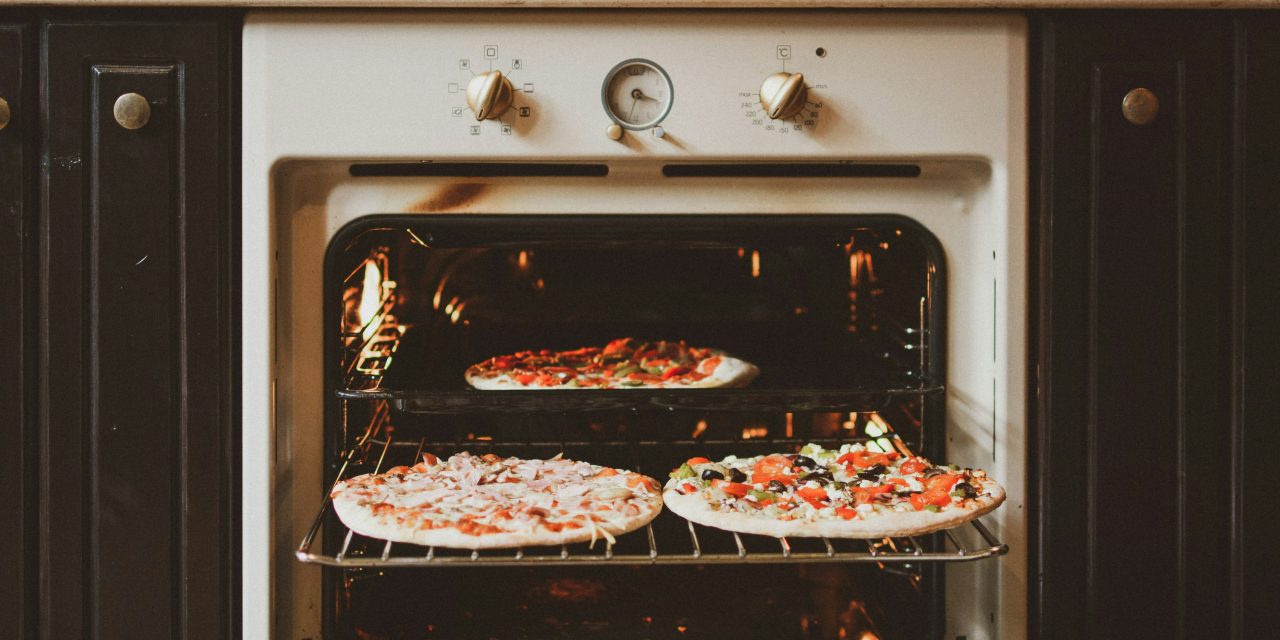
Ovens are indispensable appliances in modern kitchens, serving as the cornerstone for meal preparation and baking. However, when these devices fail to heat properly, it can lead to frustration and culinary disasters. Understanding the underlying issues that can cause heating problems is essential for both effective troubleshooting and timely repairs. This article delves into the various factors that contribute to oven heating issues, ranging from faulty components to user errors. By gaining insight into these problems, homeowners can better maintain their ovens and ensure optimal performance.
Heating issues can manifest in various ways, including uneven cooking, failure to reach desired temperatures, or complete inoperability. Identifying the root cause of these problems is crucial for effective resolution. This comprehensive guide will explore common culprits such as faulty heating elements, thermostat malfunctions, electrical connection issues, and more. Additionally, we will provide practical troubleshooting tips and advice on when to seek professional assistance.
Faulty Heating Elements: The Primary Culprit
One of the most common reasons for inadequate heating in an oven is a malfunctioning heating element. Electric ovens typically utilize two types of heating elements: the bake element located at the bottom and the broil element situated at the top. When either of these components fails, it can lead to significant temperature discrepancies and uneven cooking results.
Heating elements can fail due to various reasons, including wear and tear from prolonged use, physical damage, or electrical issues. A visual inspection can often reveal signs of damage such as blistering or breaks in the element. If a heating element is suspected to be faulty, it is advisable to test it with a multimeter to check for continuity. A reading of zero indicates a broken element that requires replacement.
Thermostat Malfunctions and Temperature Inconsistencies

The thermostat plays a pivotal role in regulating the oven’s temperature by monitoring heat levels and signaling the heating elements to turn on or off as needed. A malfunctioning thermostat can lead to significant temperature inconsistencies, resulting in undercooked or overcooked dishes.
Thermostat issues may arise from calibration errors, mechanical failures, or electrical malfunctions. Symptoms of a faulty thermostat include an oven that fails to reach the set temperature or one that fluctuates wildly during operation. To diagnose thermostat problems, users can perform a simple calibration test using an oven thermometer. If discrepancies are noted between the thermometer reading and the oven’s set temperature, recalibration or replacement may be necessary.
Problems with the Oven’s Electrical Connections

Electrical connections are vital for the proper functioning of an oven. Loose or damaged wiring can disrupt the flow of electricity to critical components, leading to heating failures. Common signs of electrical connection issues include flickering lights on the control panel or failure of multiple functions simultaneously.
To address electrical connection problems, it is essential to inspect wiring harnesses and connectors for signs of wear or damage. Additionally, checking circuit breakers and fuses can help identify any electrical supply issues. If loose connections are found, they should be tightened securely; however, if extensive damage is present, professional assistance may be required to ensure safe repairs.
The Role of the Oven Control Board in Heating
The oven control board serves as the brain of the appliance, managing various functions including temperature regulation and timing. A malfunctioning control board can lead to erratic heating behavior or complete failure of the oven to heat up.
Symptoms of a faulty control board may include unresponsive buttons, incorrect temperature readings, or failure to initiate cooking cycles. Diagnosing control board issues often requires specialized knowledge and tools, as visual inspections may not reveal underlying problems. In many cases, replacing the control board is necessary to restore proper functionality.
Impact of a Broken Igniter on Gas Ovens
For gas ovens, a broken igniter is a critical component that can prevent the appliance from heating effectively. The igniter is responsible for igniting the gas that fuels the oven’s burners; if it fails, gas will not ignite, resulting in no heat production.
Signs of a malfunctioning igniter include a clicking sound without ignition or a glowing igniter that fails to light the gas. Testing an igniter typically involves checking its resistance with a multimeter; a reading outside the normal range indicates a need for replacement. It is crucial to address igniter issues promptly, as prolonged attempts to ignite gas without success can pose safety hazards.
How a Blown Thermal Fuse Can Stop Heating
The thermal fuse is a safety device designed to prevent overheating by cutting off power to the oven if temperatures exceed safe limits. While this component is essential for safety, a blown thermal fuse can also result in complete loss of heating capability.
Common causes of thermal fuse failure include blocked vents or overheating due to prolonged use without adequate cooling periods. If an oven fails to heat and other components have been ruled out, checking the thermal fuse should be a priority. Replacement involves disconnecting power and accessing the fuse location within the appliance.
Effects of Dirty or Damaged Oven Sensors
Oven sensors play a crucial role in monitoring internal temperatures and ensuring accurate cooking results. Dirty or damaged sensors can lead to inaccurate readings and inconsistent heating performance.
Accumulation of grease or food particles on sensors can interfere with their ability to gauge temperature accurately. Regular cleaning of these components is essential for maintaining optimal performance. If cleaning does not resolve issues, testing the sensor’s resistance with a multimeter can help determine if replacement is necessary.
Common User Errors Affecting Oven Performance
User errors can significantly impact oven performance and heating efficiency. Common mistakes include overcrowding the oven, using incorrect cookware materials, or failing to preheat adequately before cooking.
Overcrowding can obstruct airflow and lead to uneven cooking results, while inappropriate cookware may not conduct heat effectively. To optimize oven performance, users should adhere to recommended cooking practices such as allowing sufficient space between dishes and using materials designed for oven use.
Troubleshooting Tips for Diagnosing Heating Problems
When faced with heating issues in an oven, systematic troubleshooting can help identify the root cause efficiently. Begin by checking power supply connections and ensuring that circuit breakers are functioning correctly. Next, inspect visible components such as heating elements and igniters for signs of damage.
Utilizing an oven thermometer can provide valuable insights into temperature discrepancies and assist in diagnosing thermostat malfunctions. If initial checks do not yield results, consulting user manuals for specific troubleshooting steps related to your oven model may prove beneficial.
When to Call a Professional Technician for Repairs
While many heating issues can be diagnosed and resolved by homeowners, certain situations warrant professional intervention. If electrical problems are suspected or if complex components such as control boards require replacement, it is advisable to seek assistance from qualified technicians.
Additionally, if safety concerns arise—such as gas leaks from malfunctioning igniters—immediate professional help should be sought to mitigate risks effectively. Investing in professional repairs not only ensures safety but also prolongs the lifespan of your appliance.
In summary, understanding oven heating issues involves recognizing various factors that contribute to malfunctions ranging from faulty components to user errors. By identifying symptoms and employing effective troubleshooting techniques, homeowners can address many common problems independently while knowing when to seek professional assistance for more complex repairs. Regular maintenance practices will also enhance overall performance and longevity of this essential kitchen appliance.
FAQs
What are the common reasons an oven may not heat properly?
Common reasons for an oven not heating properly include a faulty heating element, a malfunctioning thermostat, issues with the oven’s control board, a broken igniter (for gas ovens), or problems with the power supply. Each of these components plays a crucial role in the heating process, and any malfunction can lead to inadequate heating.
How can I tell if the heating element is faulty?
You can check if the heating element is faulty by visually inspecting it for any signs of damage, such as blisters, breaks, or discoloration. Additionally, you can use a multimeter to test for continuity. If the heating element does not show continuity, it likely needs to be replaced.
What should I do if the oven thermostat is malfunctioning?
If you suspect the oven thermostat is malfunctioning, you can test it by using an oven thermometer to compare the actual temperature with the set temperature. If there is a significant difference, the thermostat may need recalibration or replacement. It’s advisable to consult a professional for accurate diagnosis and repair.
Can a power supply issue cause my oven to heat improperly?
Yes, a power supply issue can cause your oven to heat improperly. If the oven is not receiving the correct voltage, it may not heat up as expected. Check the circuit breaker to ensure it hasn’t tripped, and inspect the power cord for any damage. If problems persist, consider contacting an electrician.
Is it safe to use an oven that is not heating properly?
It is not safe to use an oven that is not heating properly, as it can lead to undercooked food, which poses a risk of foodborne illness. Additionally, continued use of a malfunctioning oven can cause further damage to the appliance. It is best to address the issue before using the oven again.