As the winter frost recedes and the days grow longer, spring emerges as the perfect time for rejuvenation and renewal. Spring cleaning is not merely a chore; it is an opportunity to refresh your living space and prepare your garden for the vibrant growing season ahead. This process begins with decluttering, which involves systematically sorting through belongings to identify items that can be donated, recycled, or discarded. A well-organized home not only enhances aesthetic appeal but also promotes mental clarity and reduces stress.
In addition to decluttering, deep cleaning is essential. This includes scrubbing surfaces, washing windows, and vacuuming carpets to eliminate dust and allergens that may have accumulated during the colder months. Furthermore, garden preparation is equally crucial. This entails assessing soil quality, removing debris, and planning for planting. Testing soil pH levels can provide insights into nutrient deficiencies, allowing for the appropriate amendments to be made. By investing time in both cleaning and gardening, homeowners can create a harmonious environment that fosters well-being.
Inspecting and Repairing Roof and Gutters
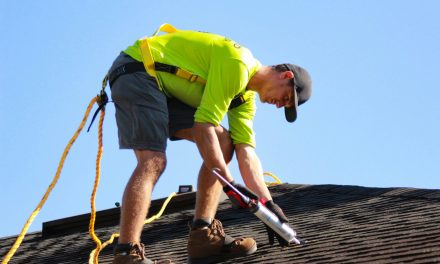
The roof serves as the first line of defense against the elements, making its inspection a critical component of home maintenance. Homeowners should conduct a thorough examination of shingles for signs of wear, such as curling, cracking, or missing pieces. Additionally, flashing around chimneys and vents should be inspected for integrity to prevent water infiltration. Regular maintenance can extend the lifespan of roofing materials and avert costly repairs.
Equally important is the inspection of gutters and downspouts. Clogged gutters can lead to water overflow, which may cause damage to the roof, siding, and foundation. Homeowners should clear debris from gutters and ensure that downspouts direct water away from the home’s foundation. Installing gutter guards can also be an effective preventive measure against future clogs. By prioritizing roof and gutter maintenance, homeowners can safeguard their property from water-related issues.
Checking and Servicing HVAC Systems

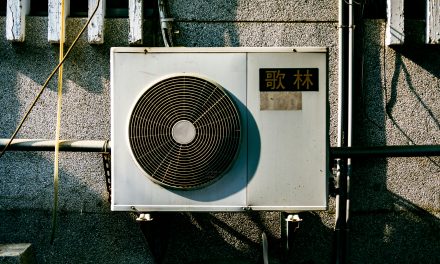
The HVAC (Heating, Ventilation, and Air Conditioning) system plays a pivotal role in maintaining indoor comfort throughout the year. Regular servicing is essential to ensure optimal performance and energy efficiency. Homeowners should schedule annual inspections with certified technicians who can assess system components such as filters, coils, and ductwork. Clogged filters can impede airflow and reduce efficiency, leading to higher energy bills.
In addition to routine maintenance, homeowners should consider upgrading to programmable thermostats that allow for better temperature control and energy savings. Furthermore, sealing ductwork can prevent air leaks that compromise system efficiency. By investing in HVAC servicing and upgrades, homeowners can enhance indoor air quality while reducing energy consumption.
Testing Smoke and Carbon Monoxide Detectors

Safety within the home is paramount, making regular testing of smoke and carbon monoxide detectors a non-negotiable task. Smoke detectors should be tested monthly by pressing the test button to ensure functionality. Additionally, homeowners should replace batteries at least once a year or consider installing hardwired detectors with battery backup for added reliability.
Carbon monoxide detectors are equally critical, as this colorless, odorless gas poses serious health risks. These detectors should also be tested monthly, with replacement recommended every five to seven years depending on the manufacturer’s guidelines. Ensuring that these life-saving devices are operational can significantly reduce the risk of fire-related incidents and carbon monoxide poisoning.
Sealing Windows and Doors for Energy Efficiency
Energy efficiency is a key consideration for homeowners looking to reduce utility costs while enhancing comfort. One effective strategy is sealing windows and doors to prevent drafts that can lead to heat loss in winter and heat gain in summer. Homeowners should inspect weather stripping around doors and windows for wear or damage, replacing it as necessary to maintain an airtight seal.
Caulking gaps around window frames and door thresholds is another effective method for improving energy efficiency. This simple yet impactful task can significantly reduce heating and cooling costs while enhancing indoor comfort levels. By prioritizing these sealing measures, homeowners can create a more energy-efficient living environment.
Summer Exterior Maintenance and Pest Control
As summer approaches, exterior maintenance becomes increasingly important to protect your home from the elements and pests. Regularly inspecting siding for signs of damage or wear is essential; any cracks or holes should be promptly repaired to prevent moisture intrusion. Additionally, power washing driveways, patios, and siding can remove dirt and mildew buildup that detracts from curb appeal.
Pest control is another critical aspect of summer maintenance. Homeowners should inspect their property for signs of infestations, such as droppings or nests. Implementing preventive measures such as sealing entry points, maintaining landscaping away from the home’s foundation, and using natural repellents can help deter pests like ants, termites, and rodents from invading your space.
Maintaining Outdoor Living Spaces and Decks
Outdoor living spaces have become increasingly popular as extensions of the home where families gather for relaxation and entertainment. Regular maintenance of decks, patios, and outdoor furniture is essential to ensure these areas remain inviting and functional. Wooden decks should be inspected for signs of rot or splintering; applying a protective sealant every few years can prolong their lifespan.
Cleaning outdoor furniture is equally important; using appropriate cleaners can remove dirt and mildew while preserving materials like wood or metal. Additionally, ensuring that cushions are stored properly during inclement weather can prevent damage. By dedicating time to maintain outdoor living spaces, homeowners can create enjoyable environments for family gatherings throughout the summer months.
Preparing Plumbing for Cold Weather
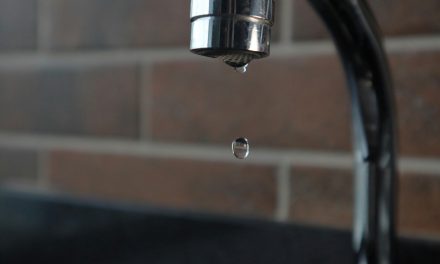
As temperatures drop in autumn, preparing plumbing systems for cold weather becomes crucial to prevent freezing pipes that can lead to costly repairs. Homeowners should insulate exposed pipes in unheated areas such as basements or attics using foam pipe insulation or heat tape. Additionally, disconnecting hoses from outdoor faucets prevents water from freezing within the lines.
Draining sprinkler systems before winter sets in is another essential step in plumbing preparation. Homeowners should also consider leaving cabinet doors open under sinks during extreme cold spells to allow warm air circulation around plumbing fixtures. By taking these preventive measures, homeowners can mitigate the risk of plumbing failures during frigid temperatures.
Winterizing Your Home’s Heating System
Winterizing your heating system is vital for ensuring comfort during the colder months while maximizing energy efficiency. Homeowners should schedule professional inspections of their heating systems before winter begins; technicians can identify potential issues such as worn-out components or inadequate airflow that could compromise performance.
Changing air filters regularly is another critical aspect of winterization; clean filters improve airflow and indoor air quality while reducing energy consumption. Additionally, homeowners should consider programming thermostats to optimize heating schedules based on occupancy patterns. By taking these proactive steps, homeowners can ensure their heating systems operate efficiently throughout winter.
Inspecting Insulation and Weatherstripping
Proper insulation plays a significant role in maintaining comfortable indoor temperatures while minimizing energy costs year-round. Homeowners should inspect insulation in attics, walls, and crawl spaces for signs of wear or gaps that could compromise effectiveness. Upgrading insulation materials or adding additional layers can significantly enhance thermal performance.
Weatherstripping around doors and windows also contributes to energy efficiency by preventing drafts that lead to heat loss or gain. Homeowners should regularly check weatherstripping for wear or damage; replacing it as needed ensures an airtight seal that enhances comfort levels indoors while reducing energy bills.
Emergency Preparedness and Safety Checks for All Seasons
Emergency preparedness is essential for safeguarding your family throughout the year. Homeowners should develop an emergency plan that includes evacuation routes, communication strategies, and emergency contact information. Regularly reviewing this plan with family members ensures everyone knows what to do in case of an emergency.
Safety checks should encompass various aspects of home maintenance throughout all seasons. This includes inspecting fire extinguishers for proper functionality, ensuring first aid kits are stocked with necessary supplies, and reviewing emergency contact lists regularly. By prioritizing preparedness measures, homeowners can enhance safety while fostering peace of mind.
In summary, maintaining a home requires diligence across various seasons with specific tasks tailored to each period’s unique challenges. From spring cleaning to winterizing heating systems, proactive measures ensure comfort while safeguarding property value. Regular inspections of critical systems such as HVAC units, roofs, plumbing, and safety devices contribute significantly to overall home safety and efficiency. By implementing these strategies diligently throughout the year, homeowners can create a secure environment conducive to well-being while minimizing potential risks associated with neglecting maintenance tasks.
FAQs
What is home maintenance?
Home maintenance refers to the routine tasks and repairs necessary to keep a home in good condition. This includes tasks such as cleaning, inspecting, and repairing various systems and structures within the home, such as plumbing, electrical systems, roofing, and appliances.
Why is regular home maintenance important?
Regular home maintenance is crucial for preventing larger issues that can lead to costly repairs. It helps to ensure safety, improve energy efficiency, maintain property value, and extend the lifespan of home systems and appliances.
What are some common home maintenance tasks?
Common home maintenance tasks include changing air filters, cleaning gutters, checking smoke detectors, inspecting the roof for damage, sealing windows and doors, and servicing heating and cooling systems. These tasks can vary based on the season and specific needs of the home.
How often should home maintenance tasks be performed?
The frequency of home maintenance tasks can vary. Some tasks, like changing air filters, should be done monthly, while others, like gutter cleaning, may be done seasonally. It’s recommended to create a home maintenance schedule to keep track of what needs to be done and when.
Can I perform home maintenance tasks myself?
Many home maintenance tasks can be performed by homeowners themselves, especially minor repairs and routine upkeep. However, for more complex tasks, such as electrical work or major plumbing issues, it is advisable to hire a professional to ensure safety and compliance with local codes.