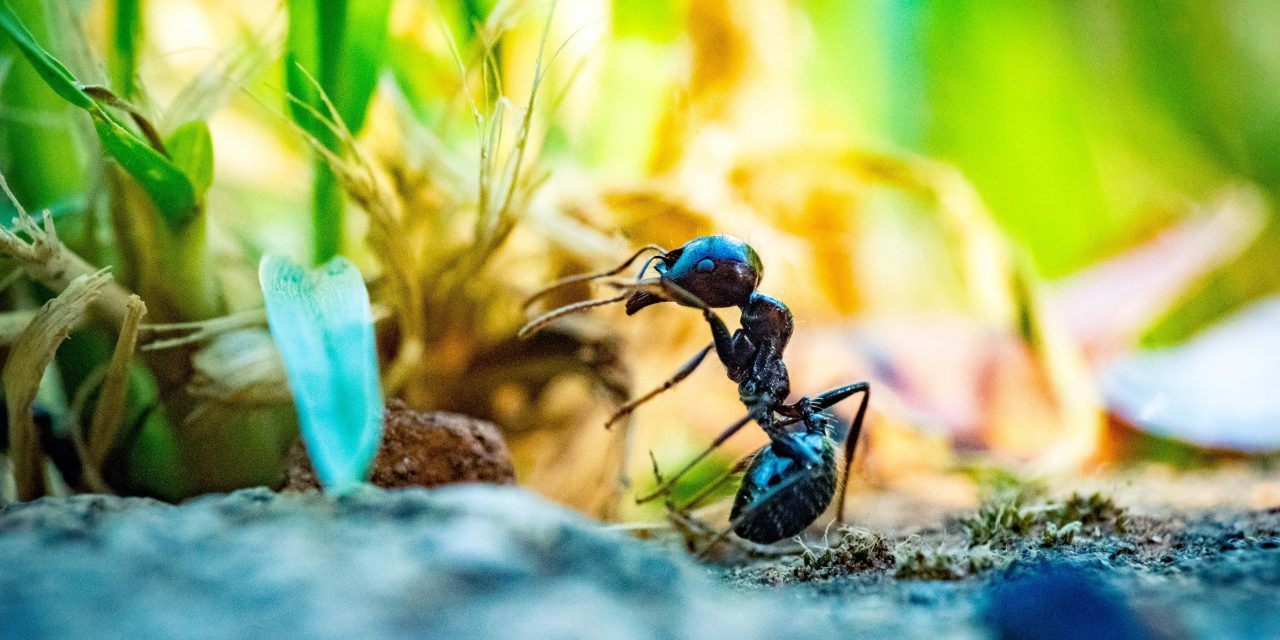
Household ants and insects are ubiquitous nuisances that can disrupt the comfort of any home. Among the most prevalent species are the Argentine ant (Linepithema humile), the carpenter ant (Camponotus spp.), and the odorous house ant (Tapinoma sessile). Each species exhibits unique behaviors and nesting preferences, which can complicate eradication efforts. For instance, carpenter ants are notorious for hollowing out wood to create nests, potentially leading to structural damage. In contrast, Argentine ants form extensive colonies that can number in the millions, making them particularly challenging to control.
Insects such as cockroaches, termites, and bedbugs also pose significant threats to household hygiene and safety. Cockroaches (Blattella germanica) are known carriers of pathogens that can trigger allergies and asthma, while termites (Reticulitermes spp.) can cause severe structural damage, costing homeowners thousands in repairs. Bedbugs (Cimex lectularius), on the other hand, are notorious for their ability to proliferate rapidly, leading to sleepless nights and psychological distress. Understanding these pests’ biology and behavior is crucial for effective management.
Identifying Entry Points and Nesting Areas
To effectively combat household pests, it is essential to identify their entry points and nesting areas. Common entry points include gaps around windows, doors, and utility lines, as well as cracks in foundations. Ants often follow pheromone trails to access food sources, making it vital to track their paths back to their nests. Carpenter ants typically nest in damp or decaying wood, while odorous house ants prefer moist environments near food sources.
Conducting a thorough inspection of your home can reveal potential nesting sites. Look for signs such as frass (wood shavings), discarded wings, or live insects in areas like basements, attics, and kitchens. By pinpointing these locations, homeowners can implement targeted strategies to eliminate infestations effectively.
Maintaining Cleanliness to Deter Pests

Maintaining a clean environment is one of the most effective deterrents against household pests. Regular cleaning routines should include vacuuming floors, wiping down surfaces, and decluttering spaces where insects may hide. Special attention should be paid to areas where food particles accumulate, such as under appliances and in pantry corners.
Additionally, it is crucial to address moisture issues that attract pests. Leaky pipes or standing water can create ideal breeding grounds for insects like mosquitoes and cockroaches. By ensuring proper ventilation and promptly fixing leaks, homeowners can significantly reduce the likelihood of infestations.
Proper Food Storage and Waste Management

Proper food storage is paramount in preventing pest invasions. All food items should be stored in airtight containers made of glass or heavy-duty plastic to thwart access by ants and other insects. This practice not only preserves food quality but also minimizes odors that attract pests.
Waste management is equally important; garbage should be disposed of regularly in sealed containers. Compost bins should be kept away from the home and managed properly to avoid attracting rodents and insects. By implementing these practices, homeowners can create an environment that is less inviting to pests.
Using Natural Remedies for Ant and Insect Control
Natural remedies offer an eco-friendly approach to pest control that can be effective against common household insects. Essential oils such as peppermint oil, tea tree oil, and eucalyptus oil have been shown to repel ants and other insects due to their strong scents. A mixture of water and these oils can be sprayed around entry points and nesting areas as a deterrent.
Diatomaceous earth (DE) is another natural solution that works by dehydrating insects upon contact. Sprinkling food-grade DE in areas where pests are active can help control populations without the use of harsh chemicals. Additionally, vinegar solutions can disrupt ant trails and deter them from entering homes.
Selecting Effective Chemical Treatments Safely
When natural remedies are insufficient, chemical treatments may be necessary for effective pest control. It is essential to select products that are specifically designed for the target pest while ensuring safety for humans and pets. Insecticides containing active ingredients such as pyrethroids or neonicotinoids can be effective against a variety of household insects.
Before applying any chemical treatment, it is crucial to read the label carefully for instructions on safe usage and application methods. Protective gear such as gloves and masks should be worn during application to minimize exposure. Additionally, it is advisable to ventilate the area post-application to ensure any lingering chemicals dissipate quickly.
Sealing Cracks and Gaps to Prevent Insect Access
Sealing cracks and gaps around the home is a proactive measure that can significantly reduce pest access points. Caulking gaps around windows and doors, filling holes in walls, and using weather stripping can create a barrier against invading insects. Pay special attention to areas where utility lines enter the home, as these are often overlooked entry points.
In addition to sealing gaps, homeowners should inspect their roofs for missing shingles or damaged flashing that could allow pests access from above. Regular maintenance of exterior structures can prevent infestations before they start.
Regularly Inspecting and Monitoring Pest Activity
Regular inspections are vital for early detection of pest activity within the home. Homeowners should conduct routine checks in areas prone to infestations, such as kitchens, bathrooms, basements, and attics. Look for signs of pest activity including droppings, shed skins, or nests.
Monitoring traps can also provide valuable insights into pest populations. Sticky traps placed strategically around the home can help gauge the level of infestation and inform treatment decisions. Keeping a log of pest sightings can assist in identifying patterns or seasonal trends in activity.
Utilizing Outdoor Barriers and Landscaping Tips
Creating outdoor barriers can significantly reduce the likelihood of pests entering your home. Maintaining a clear zone around the foundation by trimming back shrubs and trees prevents insects from using vegetation as a bridge into your living space. Additionally, using gravel or mulch around flower beds can deter ants from establishing nests close to your home.
Proper landscaping practices also play a role in pest prevention. Avoid planting dense vegetation near the foundation of your home, as this can create ideal habitats for insects. Instead, opt for well-spaced plants that allow for airflow and sunlight penetration.
When to Call Professional Pest Control Services
While many pest control measures can be implemented by homeowners, there are instances when professional intervention is necessary. If an infestation is severe or persistent despite DIY efforts, it may be time to consult a licensed pest control service. Professionals have access to advanced tools and treatments that can effectively eliminate stubborn infestations.
Additionally, if structural damage is suspected due to pests like termites or carpenter ants, immediate professional assessment is crucial to prevent further damage. Pest control experts can provide tailored solutions based on the specific pest problem at hand.
Preventative Measures for Long-Term Pest Management
Long-term pest management requires a multifaceted approach that combines prevention with ongoing monitoring. Establishing a routine inspection schedule allows homeowners to catch potential issues before they escalate into full-blown infestations. Regular maintenance of cleanliness and proper food storage should remain a priority.
Furthermore, educating family members about pest prevention strategies fosters a collective effort in maintaining a pest-free environment. By implementing these preventative measures consistently, homeowners can significantly reduce the risk of future infestations.
In summary, understanding common household ants and insects is crucial for effective management strategies. Identifying entry points and nesting areas allows for targeted interventions while maintaining cleanliness deters pests from invading homes. Proper food storage and waste management further minimize attractants, while natural remedies provide eco-friendly options for control. Chemical treatments should be selected carefully for safety, complemented by sealing cracks and gaps to prevent access. Regular inspections help monitor activity levels, while outdoor barriers enhance prevention efforts. Professional services may be necessary for severe infestations or structural concerns, while long-term management relies on consistent preventative measures for lasting results.
FAQs
What are the common types of ants that require control?
Common types of ants that often require control include carpenter ants, fire ants, odorous house ants, and pavement ants. Each species has unique behaviors and nesting habits, which can influence the methods used for effective control.
What are some natural methods for controlling ants and insects?
Natural methods for controlling ants and insects include using diatomaceous earth, vinegar solutions, essential oils like peppermint or tea tree oil, and baiting with sugar or honey. These methods can deter pests without the use of harsh chemicals.
When is the best time to implement ant and insect control measures?
The best time to implement ant and insect control measures is during the spring and summer months when these pests are most active. Early intervention can prevent infestations from becoming more severe as the season progresses.
How can I prevent ants and insects from entering my home?
Preventing ants and insects from entering your home can be achieved by sealing cracks and crevices, keeping food stored in airtight containers, maintaining cleanliness, and eliminating standing water. Regular inspections can also help identify potential entry points.
Are chemical insecticides safe for indoor use?
While some chemical insecticides are labeled for indoor use, safety depends on the specific product and its application. It is essential to follow the manufacturer’s instructions and consider using less toxic alternatives, especially in homes with children and pets.