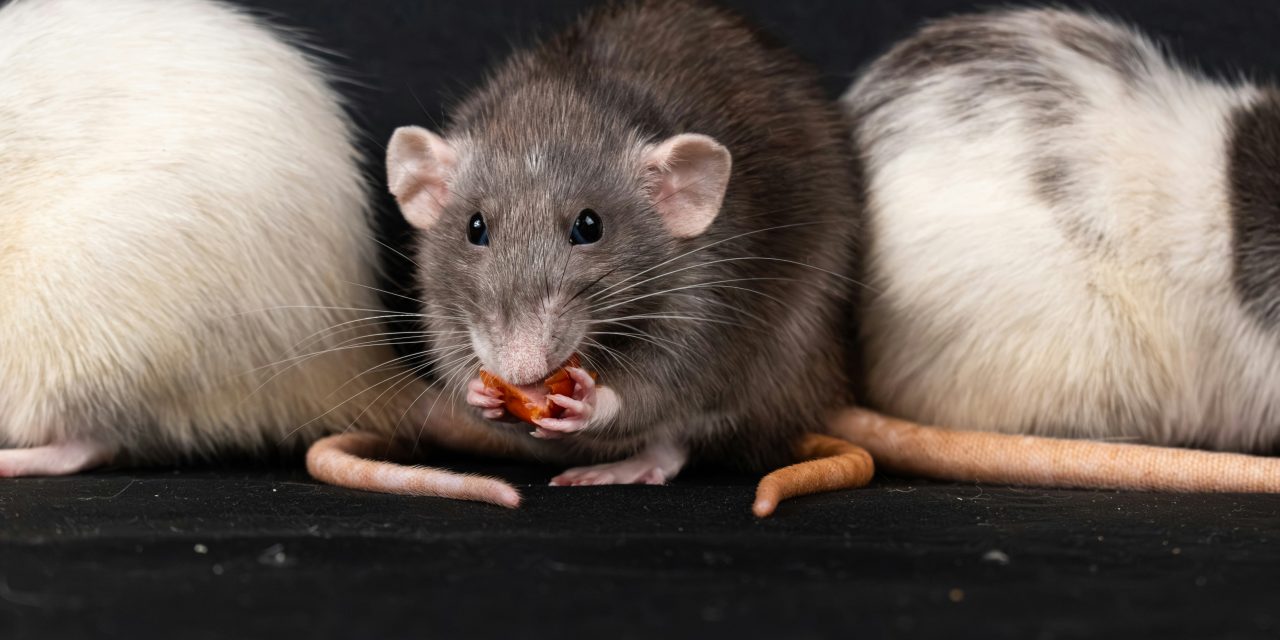
Rodents are a pervasive issue in urban and rural environments alike, posing significant health risks and property damage. The most common species include the Norway rat (Rattus norvegicus), the roof rat (Rattus rattus), and the house mouse (Mus musculus). Each species exhibits distinct behaviors and habitats, making identification crucial for effective management. Norway rats are typically larger, with robust bodies and blunt snouts, often found in burrows near water sources. Roof rats, on the other hand, are agile climbers, preferring to nest in trees or attics, while house mice are smaller, with a penchant for infiltrating homes through tiny openings.
Understanding the biology and behavior of these rodents is essential for developing effective control strategies. For instance, Norway rats are nocturnal and highly social, often living in colonies. They reproduce rapidly, with females capable of producing up to 12 litters per year. House mice can breed as early as six weeks old, leading to exponential population growth if not managed promptly. Recognizing these characteristics allows homeowners to tailor their prevention and control measures effectively.
Sealing Entry Points: Preventing Rodents from Entering Your Home
One of the most effective strategies for rodent control is sealing potential entry points around your home. Rodents can squeeze through openings as small as a quarter of an inch, making it imperative to conduct a thorough inspection of your property. Common entry points include gaps around windows, doors, vents, and utility lines. Utilizing materials such as steel wool, caulk, or expanding foam can effectively block these access points.
In addition to sealing gaps, it is advisable to install door sweeps and repair damaged screens. Pay particular attention to areas where pipes enter the building; these can be prime access points for rodents. Regularly inspecting your home for new vulnerabilities is crucial, as wear and tear can create new openings over time. By proactively sealing entry points, you significantly reduce the likelihood of rodent infestations.
Maintaining Cleanliness: Eliminating Food and Water Sources

Rodents are opportunistic feeders that require minimal resources to thrive. Maintaining cleanliness in and around your home is vital in deterring these pests. Start by storing food in airtight containers made of glass or heavy-duty plastic. This includes pet food, which should also be kept sealed when not in use. Regularly cleaning up crumbs and spills can eliminate potential food sources that attract rodents.
Water sources are equally enticing for rodents. Fixing leaks and ensuring that there are no standing water sources around your property can help deter them. Additionally, consider removing outdoor pet bowls when not in use and ensuring that gutters are functioning properly to prevent water accumulation. By addressing both food and water availability, you create an inhospitable environment for rodents.
Using Snap Traps: A Traditional and Effective Method

Snap traps have long been a staple in rodent control due to their effectiveness and simplicity. These devices work by using a spring-loaded mechanism that delivers a quick kill when triggered by the rodent’s weight. When setting snap traps, it is essential to place them in areas where rodent activity has been observed, such as along walls or near droppings.
To increase the likelihood of success, bait the traps with attractive food items such as peanut butter or sunflower seeds. It is advisable to use multiple traps simultaneously to maximize capture rates. Regularly check traps to ensure that they are functioning correctly and to dispose of any captured rodents promptly and humanely. While snap traps are effective, they should be used in conjunction with other control measures for optimal results.
Employing Electronic Rodent Repellents: Ultrasonic Solutions
Ultrasonic rodent repellents have gained popularity as a modern solution for deterring rodents without the use of chemicals or traps. These devices emit high-frequency sound waves that are inaudible to humans but can be distressing to rodents. The theory behind their effectiveness is that the sound waves disrupt the rodents’ communication and navigation abilities, encouraging them to vacate the area.
While some users report success with ultrasonic repellents, scientific studies on their efficacy have yielded mixed results. It is essential to note that these devices should not be relied upon as a standalone solution but rather as part of an integrated pest management strategy. Combining ultrasonic repellents with traditional methods such as sealing entry points and maintaining cleanliness can enhance overall effectiveness.
Setting Up Live Traps: Humane Rodent Removal Techniques
For those seeking humane methods of rodent control, live traps offer an ethical alternative to lethal options. These traps capture rodents alive, allowing for relocation away from residential areas. When using live traps, it is crucial to place them strategically in areas where rodent activity is evident.
Baiting live traps with appealing food items such as fruits or nuts can increase capture rates. However, it is essential to check these traps frequently to minimize stress on captured animals. Once captured, rodents should be relocated at least several miles away from your home to prevent them from returning. While live trapping is a humane option, it requires diligence and commitment to ensure that captured rodents are handled responsibly.
Applying Rodenticides Safely: Chemical Control Options
Rodenticides are chemical agents designed to eliminate rodent populations effectively. These substances come in various formulations, including anticoagulants and acute toxins. Anticoagulants work by disrupting blood clotting mechanisms, leading to internal bleeding over several days, while acute toxins cause immediate death upon ingestion.
When using rodenticides, safety precautions are paramount. Always follow label instructions carefully and store products out of reach of children and pets. It is advisable to use bait stations that restrict access to non-target species while allowing rodents to feed safely. Additionally, consider consulting with pest control professionals who can provide guidance on appropriate products and application methods.
Utilizing Natural Predators: Encouraging Cats and Other Animals
Encouraging natural predators can be an effective strategy for managing rodent populations without resorting to chemicals or traps. Cats are well-known hunters of rodents and can serve as a natural deterrent when allowed access to areas where rodents may thrive. Additionally, certain bird species such as owls can help control rodent populations in outdoor settings.
Creating an environment conducive to these natural predators involves providing shelter and nesting sites while ensuring that food sources for rodents are minimized. By fostering a balanced ecosystem that includes natural predators, homeowners can reduce reliance on artificial control methods while promoting biodiversity.
Installing Rodent-Proof Storage Solutions
Proper storage solutions play a critical role in preventing rodent infestations. Utilizing rodent-proof containers for food storage is essential; these should be made from durable materials that rodents cannot chew through. Metal bins with tight-fitting lids are ideal for storing grains, pet food, and other perishables.
In addition to food storage, consider implementing rodent-proof solutions for garden supplies and outdoor equipment. Keeping compost bins sealed and using raised garden beds can deter rodents from accessing food sources in your yard. By investing in robust storage solutions, you create additional barriers against potential infestations.
Regular Inspection and Maintenance: Keeping Rodents at Bay
Routine inspections of your property are vital for early detection of potential rodent issues. Regularly check for signs of rodent activity such as droppings, gnaw marks, or nests in hidden areas like attics or basements. Maintaining landscaping by trimming overgrown vegetation can also reduce hiding spots for rodents.
In addition to visual inspections, consider implementing a seasonal maintenance schedule that includes sealing entry points, cleaning gutters, and addressing any structural vulnerabilities around your home. By staying proactive in your approach to rodent management, you can significantly reduce the likelihood of infestations.
When to Call Professionals: Expert Rodent Control Services
While many homeowners can manage minor rodent issues independently, there are instances when professional intervention is necessary. If you encounter a significant infestation or if DIY methods prove ineffective, contacting pest control experts may be warranted. Professionals possess specialized knowledge and tools that enable them to assess the situation accurately and implement targeted strategies.
Additionally, if you have concerns about health risks associated with rodent droppings or urine contamination, seeking professional assistance is advisable. Pest control services can provide comprehensive inspections and tailored solutions that address both immediate concerns and long-term prevention strategies.
In summary, managing rodent populations requires a multifaceted approach that includes identifying common species, sealing entry points, maintaining cleanliness, utilizing traps and repellents, applying rodenticides safely, encouraging natural predators, implementing proper storage solutions, conducting regular inspections, and knowing when to seek professional help. By adopting these strategies collectively, homeowners can effectively mitigate the risks associated with rodent infestations while promoting a healthier living environment.
### FAQ Section
1. **What are the signs of a rodent infestation?**
– Common signs include droppings, gnaw marks on furniture or wires, nests made from shredded materials, and unusual noises at night.
2. **How do I know which type of rodent I have?**
– Identifying physical characteristics such as size, fur color, tail length, and behavior patterns can help determine the species.
3. **Are ultrasonic repellents effective against all types of rodents?**
– While some users report success with ultrasonic devices against certain species like mice or rats, results may vary based on individual circumstances.
4. **What should I do if I find a dead rodent?**
– Wear gloves when handling dead rodents and dispose of them in sealed plastic bags before placing them in the trash.
5. **Can I use homemade traps?**
– Yes! Homemade traps can be effective; however, ensure they are safe for both humans and pets.
6. **How often should I inspect my home for signs of rodents?**
– Regular inspections every few months or after any significant changes (like renovations) are recommended.
7. **Is it safe to use rodenticides indoors?**
– Yes, but extreme caution must be exercised; always follow label instructions carefully and keep products out of reach of children and pets.
8. **What natural predators can help control rodent populations?**
– Cats are the most common natural predators; however, encouraging birds of prey like owls can also be beneficial.
9. **How long does it take for rodenticides to work?**
– Anticoagulant rodenticides may take several days before visible effects occur; acute toxins typically result in quicker death after ingestion.
10. **What should I do if my pet ingests rodenticides?**
– Contact your veterinarian immediately if you suspect your pet has ingested any form of rodenticides.
By understanding these aspects of rodent management comprehensively and implementing effective strategies consistently, homeowners can maintain a pest-free environment conducive to health and well-being.
FAQs
What are some common rodent control techniques?
Common rodent control techniques include trapping, baiting with rodenticides, exclusion methods to seal entry points, sanitation practices to eliminate food sources, and using natural deterrents like peppermint oil. Each method can be effective depending on the severity of the infestation and the environment.
How can I prevent rodents from entering my home?
To prevent rodents from entering your home, seal any cracks or holes in walls, foundations, and around windows and doors. Ensure that vents and chimneys are covered with screens, and keep food stored in airtight containers. Regularly clean up spills and crumbs to eliminate food sources.
Are there humane methods for rodent control?
Yes, humane methods for rodent control include using live traps that capture rodents without harming them, allowing for their release away from your property. Additionally, exclusion and sanitation practices can help prevent infestations without killing the animals.
What should I do if I find a rodent in my home?
If you find a rodent in your home, it is advisable to avoid direct contact and to secure the area. You can set traps or call a pest control professional for assistance. Additionally, inspect your home for entry points and signs of other rodents to address the issue comprehensively.
Are rodenticides safe to use around pets and children?
Rodenticides can pose risks to pets and children if ingested, so it is crucial to use them according to the manufacturer’s instructions and to place them in areas inaccessible to non-target animals. Consider using bait stations that are tamper-resistant and consult with a pest control professional for safer alternatives.