Before embarking on any home repair project, it is imperative to conduct a thorough assessment of potential hazards that may arise during the process. This initial evaluation serves as a critical step in ensuring safety and minimizing risks. Begin by identifying the specific area where repairs will take place, examining for structural weaknesses, electrical issues, or the presence of hazardous materials such as asbestos or lead paint. Understanding these risks allows for the implementation of appropriate safety measures.
In addition to physical hazards, consider environmental factors that could pose threats. For instance, if repairs are to be conducted in an area prone to moisture, such as basements or bathrooms, the risk of mold growth increases significantly. Furthermore, assess the potential for falling debris or tools, especially in multi-story homes. By recognizing these hazards upfront, one can develop a comprehensive safety plan that includes necessary precautions and equipment.
Wearing Appropriate Personal Protective Equipment (PPE)
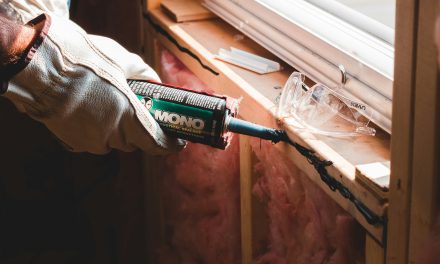
The importance of wearing appropriate personal protective equipment (PPE) cannot be overstated when undertaking home repairs. PPE serves as the first line of defense against various hazards, including physical injuries, chemical exposure, and respiratory issues. Essential items include safety goggles to protect the eyes from flying debris, gloves to shield hands from sharp objects and chemicals, and dust masks or respirators to filter out harmful particles in the air.
Additionally, consider wearing hard hats when working in areas where there is a risk of falling objects. Steel-toed boots provide protection against heavy items that may accidentally drop on feet. It is crucial to select PPE that fits properly and is comfortable to wear for extended periods. Regularly inspect equipment for wear and tear, replacing any damaged items promptly to ensure maximum protection during repairs.
Ensuring Proper Ventilation During Home Repairs

Proper ventilation is a vital aspect of maintaining a safe environment during home repairs. Inadequate airflow can lead to the accumulation of harmful fumes and dust, which can pose serious health risks. When working with volatile substances such as paints, solvents, or adhesives, ensure that windows are opened and exhaust fans are utilized to facilitate air circulation. If possible, work outdoors or in well-ventilated areas to minimize exposure to hazardous vapors.
In addition to natural ventilation, consider using air purifiers equipped with HEPA filters to capture airborne particles and improve indoor air quality. Regular breaks should be taken in fresh air to reduce inhalation of harmful substances. By prioritizing ventilation, individuals can significantly decrease the likelihood of respiratory issues and other health complications associated with poor air quality.
Using the Right Tools and Keeping Them in Good Condition

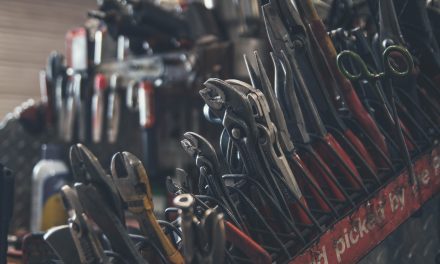
Utilizing the right tools for specific tasks is essential for both efficiency and safety during home repairs. Each tool is designed for particular functions; therefore, using inappropriate tools can lead to accidents or subpar results. Familiarize yourself with the tools required for your project and ensure they are suitable for the materials being worked on.
Moreover, maintaining tools in good condition is equally important. Regularly inspect tools for signs of wear or damage, such as frayed cords on power tools or dull blades on saws. Clean tools after each use to prevent rust and corrosion, which can compromise their effectiveness. Proper storage also plays a role in tool longevity; keep them organized in a designated area to avoid misplacement and ensure easy access when needed.
Turning Off Power and Utilities When Necessary
One of the most critical safety measures during home repairs involves turning off power and utilities when necessary. Before beginning any electrical work, it is essential to switch off the circuit breaker associated with the area being repaired. This precaution prevents electrical shocks and reduces the risk of fires caused by faulty wiring or accidental contact with live wires.
In addition to electricity, consider other utilities such as gas and water. If repairs involve plumbing work, turning off the water supply can prevent flooding and water damage. Similarly, when working with gas appliances or lines, ensure that the gas supply is shut off to avoid leaks that could lead to explosions or poisoning. Taking these steps not only enhances safety but also fosters a more controlled environment for completing repairs effectively.
Keeping a Clean and Organized Work Area
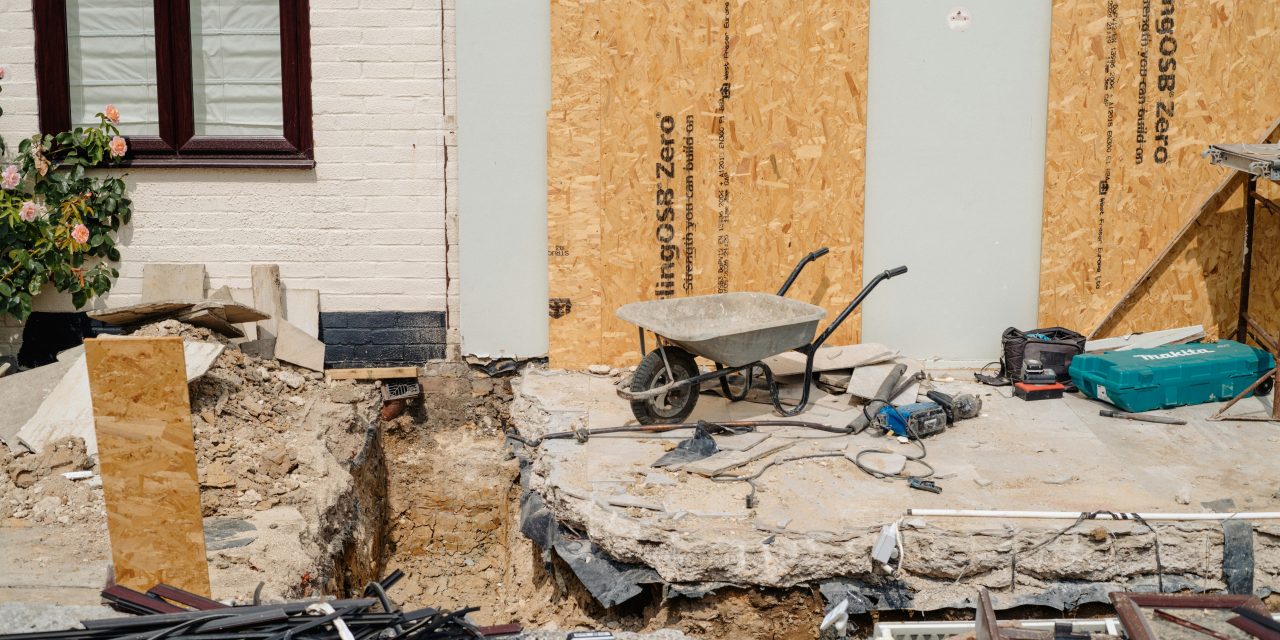
A clean and organized work area is paramount for maintaining safety during home repairs. Clutter can lead to accidents such as trips and falls, while disorganization can result in misplaced tools or materials, prolonging projects unnecessarily. Before starting any repair work, take time to clear the area of unnecessary items and debris.
Establish designated zones for tools, materials, and waste disposal to streamline workflow and minimize distractions. Regularly clean up spills or debris as they occur to prevent slips or injuries. By fostering an orderly environment, individuals can enhance their focus on tasks at hand while significantly reducing the risk of accidents.
Ladder Safety: Tips for Stability and Proper Use
Ladders are indispensable tools for reaching elevated areas during home repairs; however, improper use can lead to severe injuries. To ensure ladder safety, always select a ladder that is appropriate for the height required and rated for your weight capacity. Inspect ladders before use for any signs of damage or instability.
When positioning a ladder, place it on stable ground at a 75-degree angle for optimal stability. Always maintain three points of contact while climbing—two hands and one foot or two feet and one hand—to enhance balance. Avoid overreaching while on a ladder; instead, descend and reposition it as necessary to maintain safety throughout the task.
Handling Chemicals and Paints Safely
Handling chemicals and paints requires careful attention to safety protocols due to their potentially hazardous nature. Always read labels and Material Safety Data Sheets (MSDS) before using any chemical products to understand their risks and recommended handling procedures. Utilize appropriate PPE such as gloves and masks when working with these substances.
Store chemicals in their original containers with labels intact to prevent accidental misuse or exposure. Ensure that containers are sealed tightly when not in use to minimize fumes escaping into the environment. Dispose of any leftover chemicals according to local regulations; never pour them down drains or throw them in regular trash bins.
Avoiding Overexertion and Taking Regular Breaks
Home repairs can be physically demanding; therefore, it is crucial to avoid overexertion by taking regular breaks throughout the process. Fatigue can impair judgment and increase the likelihood of accidents or injuries. Schedule short breaks every hour or so to rest muscles and hydrate adequately.
Listen to your body; if you experience pain or discomfort while working, stop immediately and assess your condition. Consider alternating tasks that require different physical exertion levels to prevent strain on specific muscle groups. By prioritizing self-care during repairs, individuals can maintain focus and efficiency while reducing the risk of injury.
Knowing When to Call a Professional
While many home repairs can be tackled independently, there are instances where calling a professional is advisable for safety reasons or technical expertise. If a project involves complex electrical work, structural changes, or hazardous materials like asbestos or lead paint, it is prudent to seek assistance from licensed professionals who possess the necessary training and experience.
Additionally, if you feel overwhelmed by a project’s scope or lack confidence in your skills, do not hesitate to reach out for help. Professionals can provide valuable insights and ensure that repairs are completed safely and effectively while adhering to local building codes.
Keeping Emergency Contacts and First Aid Supplies Handy
In any home repair scenario, having emergency contacts readily available is essential for addressing unforeseen incidents promptly. Compile a list of emergency numbers including local fire departments, poison control centers, medical facilities, and trusted contractors who can assist in emergencies related to home repairs.
Furthermore, maintaining a well-stocked first aid kit is crucial for addressing minor injuries that may occur during repairs. Include items such as adhesive bandages, antiseptic wipes, gauze pads, scissors, tweezers, and pain relievers in your kit. Regularly check supplies for expiration dates and replenish items as needed to ensure readiness in case of emergencies.
In summary, undertaking home repairs necessitates careful planning and adherence to safety protocols to mitigate risks effectively. By assessing potential hazards beforehand, utilizing appropriate PPE, ensuring proper ventilation, employing suitable tools, turning off utilities when necessary, maintaining an organized workspace, practicing ladder safety, handling chemicals responsibly, avoiding overexertion through regular breaks, knowing when to call professionals, and keeping emergency contacts accessible alongside first aid supplies—individuals can create a safer environment conducive to successful repair projects. Prioritizing these measures not only enhances personal safety but also contributes to achieving high-quality results in home improvement endeavors.
FAQs
What are some essential safety gear items for home repair projects?
Essential safety gear for home repair projects includes safety goggles to protect your eyes from debris, gloves to prevent cuts and abrasions, a dust mask or respirator to filter out harmful particles, ear protection for loud tools, and sturdy footwear to protect your feet from heavy objects.
How can I ensure electrical safety during home repairs?
To ensure electrical safety, always turn off the power at the circuit breaker before starting any electrical work. Use a voltage tester to confirm that the power is off, avoid working in wet conditions, and never overload outlets. If you’re unsure about any electrical repairs, consider hiring a licensed electrician.
What precautions should I take when using ladders for home repairs?
When using ladders, ensure that the ladder is on a stable, level surface and that it is fully extended and locked in place. Always maintain three points of contact while climbing, avoid overreaching, and never use a ladder in high winds or storms. Additionally, inspect the ladder for any damage before use.
How can I prevent falls and injuries while working at heights?
To prevent falls while working at heights, use guardrails or safety harnesses when necessary, ensure that ladders and scaffolding are properly set up, and keep the work area clear of clutter. Always be aware of your surroundings and avoid distractions while working at elevated levels.
What should I do in case of an emergency during a home repair?
In case of an emergency during a home repair, immediately stop work and assess the situation. If someone is injured, call emergency services right away. Keep a first aid kit readily available and familiarize yourself with basic first aid procedures. It’s also wise to have emergency contact numbers easily accessible.