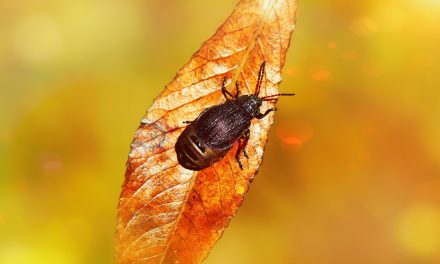
Household pests are a significant concern for many homeowners, as they can cause damage to property and pose health risks to inhabitants. Common pests include rodents such as mice and rats, insects like cockroaches, ants, and termites, as well as arachnids such as spiders. Each of these pests has unique behaviors and habitats, making it essential to understand their characteristics for effective management. For instance, rodents are known for their ability to reproduce rapidly, with a single pair of mice capable of producing up to 200 offspring in a year under optimal conditions. This exponential growth can lead to infestations that are challenging to control.
Insects like cockroaches thrive in warm, humid environments and are notorious for spreading diseases such as salmonella and gastroenteritis. Termites, on the other hand, can silently destroy wooden structures, leading to costly repairs. Understanding the biology and behavior of these pests is crucial for developing effective prevention and control strategies. By recognizing the signs of an infestation early—such as droppings, gnaw marks, or nests—homeowners can take proactive measures to mitigate the problem before it escalates.
Importance of Regular Cleaning and Decluttering
Maintaining a clean and clutter-free environment is one of the most effective strategies for preventing pest infestations. Regular cleaning routines help eliminate food sources and nesting sites that attract pests. For example, crumbs left on countertops or floors can serve as a buffet for ants and cockroaches. By implementing a consistent cleaning schedule that includes vacuuming, dusting, and sanitizing surfaces, homeowners can significantly reduce the likelihood of attracting unwanted guests.
Decluttering is equally important, as it removes potential hiding spots for pests. Items such as cardboard boxes, old newspapers, and unused furniture can provide ideal nesting environments for rodents and insects. By organizing storage areas and disposing of unnecessary items, homeowners can create an inhospitable environment for pests. Additionally, regular cleaning and decluttering contribute to overall home hygiene, promoting a healthier living space for all occupants.
Sealing Cracks and Entry Points

One of the most effective methods for pest prevention is sealing cracks and entry points around the home. Pests can enter through surprisingly small openings; even a gap as narrow as a quarter-inch can allow mice to infiltrate a structure. Homeowners should conduct a thorough inspection of their property, paying close attention to areas around windows, doors, pipes, and vents. Utilizing caulk or weather stripping can effectively seal these entry points, creating a barrier that deters pests from entering.
In addition to sealing gaps, it is essential to ensure that screens on windows and doors are intact and free from holes. Installing door sweeps can also prevent pests from slipping underneath doors. By taking these preventative measures, homeowners can significantly reduce the risk of infestations while also improving energy efficiency by minimizing drafts.
Using Natural Repellents Like Essential Oils

Natural repellents offer an eco-friendly alternative to chemical pesticides for managing household pests. Essential oils such as peppermint, lavender, tea tree, and eucalyptus have been shown to repel various insects due to their strong scents. For instance, peppermint oil is particularly effective against ants and spiders; its potent aroma disrupts their sensory perception, making it difficult for them to navigate.
To utilize essential oils as repellents, homeowners can create homemade sprays by diluting a few drops of oil in water and applying it to areas where pests are commonly seen. Additionally, placing cotton balls soaked in essential oils in strategic locations can help deter insects from entering the home. This approach not only helps keep pests at bay but also leaves a pleasant fragrance throughout the living space.
Setting Up Homemade Traps for Insects
Homemade traps can be an effective way to manage insect populations without resorting to harmful chemicals. For example, a simple vinegar trap can be created by mixing equal parts of apple cider vinegar and dish soap in a bowl. The vinegar attracts fruit flies while the dish soap reduces surface tension, causing them to drown upon landing in the mixture.
Another effective trap involves using a jar filled with sugar water or honey mixed with yeast. This concoction attracts various flying insects like wasps and flies. By placing these traps in areas where pests are frequently observed, homeowners can monitor pest activity while reducing their numbers effectively. Regularly checking and replacing traps ensures continued effectiveness in pest management.
Maintaining Proper Food Storage Practices
Proper food storage practices are crucial in preventing pest infestations within the home. Pests are often attracted to easily accessible food sources; therefore, it is essential to store food items in airtight containers made of glass or heavy-duty plastic. This not only keeps food fresh but also prevents pests from accessing it.
Additionally, perishable items should be stored in the refrigerator or freezer promptly after purchase. Regularly checking pantry items for signs of infestation—such as webbing or larvae—can help catch problems early before they escalate into larger infestations. By maintaining strict food storage practices, homeowners can significantly reduce the likelihood of attracting pests into their living spaces.
Managing Moisture and Fixing Leaks
Moisture control is vital in preventing pest infestations, as many pests thrive in damp environments. Areas prone to leaks or excessive humidity—such as bathrooms, kitchens, and basements—should be regularly inspected for signs of water damage or mold growth. Promptly addressing leaks in plumbing fixtures or roofs can significantly reduce moisture levels that attract pests like cockroaches and termites.
Using dehumidifiers in high-humidity areas can also help maintain optimal moisture levels within the home. Ensuring proper ventilation in bathrooms and kitchens further aids in moisture management by allowing excess humidity to escape. By controlling moisture levels effectively, homeowners create an environment that is less conducive to pest infestations.
Utilizing Diatomaceous Earth for Pest Control
Diatomaceous earth (DE) is a natural substance derived from fossilized algae that can be used effectively for pest control. Its fine powdery texture is abrasive to insects with exoskeletons, such as cockroaches and ants; when they come into contact with DE, it damages their outer layer, leading to dehydration and eventual death.
To use diatomaceous earth effectively, homeowners should apply it in areas where pests are commonly seen or suspected to hide. It is essential to choose food-grade diatomaceous earth for safety around pets and children. Regular reapplication may be necessary after cleaning or exposure to moisture to maintain its effectiveness as a pest deterrent.
Introducing Beneficial Insects to Your Garden
Incorporating beneficial insects into your garden ecosystem can serve as an effective natural pest control strategy. Predatory insects such as ladybugs, lacewings, and parasitic wasps feed on common garden pests like aphids and caterpillars. By attracting these beneficial species through companion planting or providing habitats such as insect hotels, gardeners can promote a balanced ecosystem that naturally regulates pest populations.
Additionally, planting flowers that attract pollinators can enhance biodiversity within the garden while simultaneously supporting beneficial insect populations. This approach not only helps manage pests but also contributes to overall plant health and productivity by fostering a thriving ecosystem.
Regularly Inspecting and Treating Pets
Pets can inadvertently introduce pests into the home environment if not properly managed. Regular inspections of pets for fleas, ticks, or other parasites are essential in preventing infestations within the household. Grooming pets frequently with appropriate brushes helps remove loose fur and debris where pests may hide.
In addition to regular inspections, utilizing veterinarian-recommended flea and tick treatments is crucial for maintaining pet health while preventing infestations. These treatments may include topical solutions, oral medications, or collars designed specifically for pest prevention. By prioritizing pet care and hygiene, homeowners can significantly reduce the risk of pest-related issues within their living spaces.
When to Call a Professional Pest Control Service
While many pest management strategies can be implemented by homeowners themselves, there are instances when professional intervention is necessary. If an infestation becomes overwhelming or poses significant health risks—such as exposure to disease-carrying rodents or toxic insects—contacting a licensed pest control service is advisable.
Professional pest control services possess specialized knowledge and tools that enable them to address infestations effectively while minimizing risks associated with chemical treatments. They can conduct thorough inspections to identify underlying issues contributing to pest problems and develop tailored treatment plans based on specific needs. Homeowners should seek out reputable companies with positive reviews and certifications to ensure quality service.
In summary, understanding common household pests is crucial for effective management strategies that promote a healthy living environment. Regular cleaning practices combined with sealing entry points and utilizing natural repellents contribute significantly to prevention efforts. Homemade traps offer additional control methods while proper food storage practices minimize attractants for pests. Managing moisture levels through leak repairs further enhances prevention efforts alongside utilizing diatomaceous earth for targeted pest control.
Introducing beneficial insects into gardens fosters natural pest regulation while regular inspections of pets ensure they remain free from parasites that could lead to infestations indoors. Finally, knowing when to seek professional assistance ensures that homeowners address severe infestations promptly while safeguarding their health and property from potential damage caused by pests.
FAQs
What are some common DIY pest control methods?
Common DIY pest control methods include using natural repellents like vinegar, essential oils, and diatomaceous earth. Traps made from household items, such as sticky traps for insects or homemade bait for rodents, can also be effective. Additionally, sealing entry points and maintaining cleanliness can help prevent infestations.
Are DIY pest control solutions safe for pets and children?
Many DIY pest control solutions can be safe for pets and children, especially those made from natural ingredients. However, it’s important to research each method and ensure that the ingredients used are non-toxic. Always keep any pest control products out of reach of children and pets, and monitor their reactions when using new substances.
How can I identify the type of pest I am dealing with?
Identifying the type of pest involves observing their physical characteristics, behavior, and the damage they cause. You can also look for signs such as droppings, nests, or specific feeding patterns. Online resources, local extension services, or pest identification apps can provide assistance in accurately identifying pests.
When should I consider professional pest control instead of DIY methods?
If DIY methods fail to control the pest problem after multiple attempts, or if the infestation is severe, it may be time to consider professional pest control. Additionally, if the pests pose health risks or if you are dealing with potentially dangerous pests like termites or bed bugs, seeking professional help is advisable.
What precautions should I take when using DIY pest control methods?
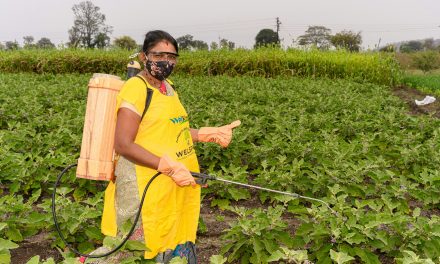
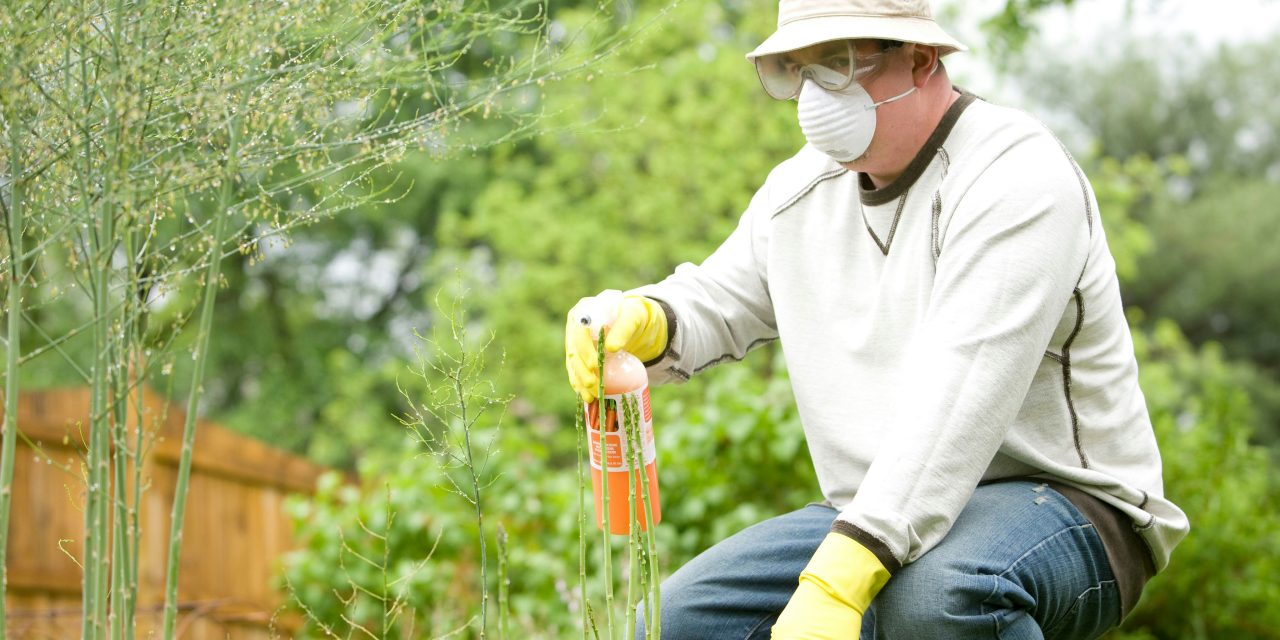
When using DIY pest control methods, always read and follow instructions carefully. Wear protective gear such as gloves and masks if necessary, and ensure proper ventilation when using sprays or powders. Keep children and pets away from treated areas until they are safe, and store all pest control materials securely.