Pest control is an essential aspect of maintaining a healthy and safe living environment. The presence of pests can lead to various health risks, property damage, and significant discomfort for residents. Selecting the appropriate pest control product is crucial, as it directly influences the effectiveness of eradication efforts and the safety of inhabitants. With a plethora of options available on the market, understanding the nuances of each product can empower homeowners to make informed decisions that align with their specific needs.
The importance of choosing the right pest control solution cannot be overstated. Ineffective products may lead to prolonged infestations, increased costs, and potential harm to non-target species, including pets and beneficial insects. Moreover, some chemical treatments can pose health risks to humans, particularly children and individuals with respiratory conditions. Therefore, a thorough understanding of pest behavior, product efficacy, and safety measures is paramount in ensuring successful pest management.
Understanding Common Household Pests and Their Habits
Household pests can be broadly categorized into several groups, each exhibiting unique behaviors and habits that influence their control. Common pests include rodents, insects, and arachnids, all of which can thrive in domestic environments due to abundant food sources and shelter. For instance, rodents such as mice and rats are notorious for their ability to reproduce rapidly, with a single pair capable of producing up to 200 offspring in a year under optimal conditions. Their gnawing habits can lead to structural damage and contamination of food supplies.
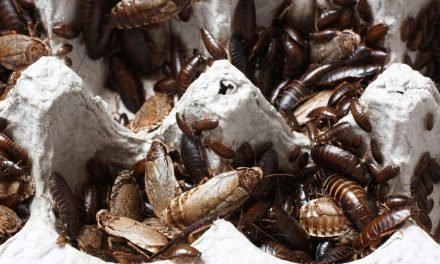
Insects like ants, cockroaches, and termites also pose significant threats. Ants are social insects that establish colonies, often leading to large infestations if not addressed promptly. Cockroaches are resilient creatures that can survive in harsh conditions, making them difficult to eliminate once they invade a home. Termites, on the other hand, are wood-destroying insects that can compromise the structural integrity of buildings if left unchecked. Understanding these pests’ life cycles and behaviors is crucial for developing effective control strategies.
Criteria for Selecting Effective Pest Control Products

When selecting pest control products, several criteria should be considered to ensure efficacy and safety. First and foremost, the active ingredients in the product should be scrutinized. Chemical compounds such as pyrethroids, neonicotinoids, and boric acid are commonly used in pest control formulations. Each has its mode of action and target pests; thus, understanding these properties can guide users toward the most suitable option.
Additionally, the formulation type—whether it be sprays, baits, traps, or gels—plays a significant role in effectiveness. For example, bait formulations are particularly effective for social insects like ants because they allow for the transfer of toxic substances back to the colony. Conversely, sprays may provide immediate knockdown of visible pests but may not address hidden populations effectively. Furthermore, safety considerations must be paramount; products should be evaluated for potential toxicity to humans and pets, as well as their environmental impact.
Top 10 Pest Control Products Overview

1. **Ortho Home Defense Insect Killer**: This versatile spray targets a wide range of insects including ants, roaches, and spiders. Its long-lasting formula provides residual protection for up to 12 months.
2. **Raid Ant Bait**: Specifically designed for ant control, this bait contains a slow-acting insecticide that allows worker ants to carry it back to the colony, effectively eliminating the queen and other members.
3. **Hot Shot Bed Bug and Flea Killer**: This product is formulated to tackle bed bugs and fleas with fast-acting ingredients that penetrate deep into carpets and upholstery.
4. **Termidor SC**: A professional-grade termite treatment that provides long-lasting protection against subterranean termites through a unique transfer effect among colony members.
5. **Combat Roach Killing Bait**: This bait station attracts cockroaches with its food source while delivering a potent insecticide that eliminates them within days.
6. **Thermacell Mosquito Repellent**: Utilizing heat-activated repellent mats, this device creates a protective zone against mosquitoes without the need for sprays or lotions.
7. **Victor Electronic Mouse Trap**: A humane option for rodent control that delivers a quick electric shock to mice without the use of toxic chemicals.
8. **EcoSMART Organic Insect Killer**: An eco-friendly alternative that uses plant-based ingredients to repel a variety of insects without harmful chemicals.
9. **Black Flag Flea Killer**: This product targets fleas at all life stages with its dual-action formula that kills adult fleas while preventing eggs from hatching.
10. **Pest Control Ultrasonic Repeller**: This device emits high-frequency sound waves that deter rodents and insects without harming them or using chemicals.
Termite Treatment Solutions: Protecting Your Home’s Structure
Termites are often referred to as “silent destroyers” due to their ability to cause extensive damage before detection. Effective termite treatment solutions are critical for safeguarding homes from structural damage. One of the most widely used methods is liquid termiticides, which create a chemical barrier around the foundation of a home. Products like Termidor SC are particularly effective due to their unique transfer effect; when termites come into contact with the treated soil or wood, they unknowingly spread the insecticide throughout their colony.
Another effective approach is baiting systems that utilize cellulose-based bait stations placed strategically around the property. These stations attract termites and deliver slow-acting insecticides that allow for colony elimination over time. Regular inspections by pest control professionals can also help identify early signs of infestation and implement preventative measures before significant damage occurs.
Ant Baits and Traps: Eliminating Ant Colonies Efficiently
Ant infestations can be particularly challenging due to their social structure and ability to form large colonies. Ant baits are one of the most effective methods for controlling these pests because they exploit their foraging behavior. Products like Raid Ant Bait contain attractants that lure worker ants to consume the bait laced with insecticide. Once ingested, the poison is transported back to the colony where it can eliminate the queen and other members.
Traps can also be utilized in conjunction with baits for enhanced effectiveness. Sticky traps capture ants as they traverse common pathways, providing immediate relief from visible infestations while baits work on eradicating the colony over time. It is essential to place baits near ant trails or entry points for optimal results.
Cockroach Sprays and Gels: Fast Action Against Roaches
Cockroaches are notorious for their resilience and rapid reproduction rates, making them one of the most challenging pests to eliminate. Cockroach sprays and gels provide fast-acting solutions that target these pests effectively. Sprays such as Hot Shot Bed Bug and Flea Killer contain potent insecticides that deliver immediate knockdown upon contact with roaches.
Gels offer another layer of control by providing a food source laced with insecticide that cockroaches consume over time. Products like Combat Roach Killing Bait are designed specifically for this purpose; they attract roaches while delivering a lethal dose that spreads throughout their population. Combining both sprays and gels can enhance overall effectiveness by addressing both visible roaches and hidden populations.
Mosquito Repellents and Traps: Keeping Your Family Safe
Mosquitoes are not only a nuisance but also vectors for serious diseases such as West Nile virus and Zika virus. Effective mosquito control is essential for protecting families from these health risks. Mosquito repellents like Thermacell Mosquito Repellent create a protective barrier around outdoor areas using heat-activated repellent mats that emit a scent undetectable to humans but repellent to mosquitoes.
In addition to repellents, traps can significantly reduce mosquito populations by attracting them using carbon dioxide or light sources before capturing them in sticky or electric traps. Regularly eliminating standing water around properties can also help prevent mosquito breeding sites.
Rodent Control Products: Humane and Effective Options
Rodents pose significant health risks through contamination of food supplies and transmission of diseases such as hantavirus and leptospirosis. Effective rodent control products should prioritize humane methods while ensuring efficacy. Victor Electronic Mouse Traps deliver a quick electric shock to mice without using toxic chemicals or traditional snap traps that may cause suffering.
Additionally, bait stations containing rodenticides can be used strategically in areas where rodent activity is observed; however, it is crucial to select products that minimize risks to non-target species such as pets or wildlife. Integrated pest management strategies combining sanitation practices with trapping methods can further enhance rodent control efforts.
Natural and Eco-Friendly Pest Control Alternatives
As awareness of environmental issues grows, many homeowners seek natural and eco-friendly pest control alternatives that minimize chemical exposure while effectively managing pests. Products containing plant-based ingredients such as diatomaceous earth or essential oils like peppermint or tea tree oil can deter various insects without harmful side effects.
Additionally, biological control methods involve introducing natural predators or parasites to manage pest populations sustainably. For example, releasing ladybugs can help control aphid populations in gardens without resorting to chemical pesticides. Implementing integrated pest management practices that emphasize prevention through sanitation and habitat modification can further reduce reliance on chemical treatments.
Tips for Safe and Effective Use of Pest Control Products at Home
To maximize the effectiveness of pest control products while ensuring safety for residents and pets, several best practices should be followed:
1. **Read Labels Carefully**: Always follow manufacturer instructions regarding application rates, safety precautions, and re-entry intervals after treatment.
2. **Wear Protective Gear**: When applying chemical treatments, use gloves, masks, and goggles as necessary to minimize exposure.
3. **Store Products Safely**: Keep all pest control products out of reach of children and pets in locked cabinets or designated storage areas.
4. **Apply at Appropriate Times**: Timing applications during peak pest activity periods can enhance effectiveness; for example, applying mosquito repellents during dusk when mosquitoes are most active.
5. **Monitor Results**: Regularly inspect treated areas for signs of continued pest activity; if infestations persist despite treatment efforts, consult a professional pest control service for further assistance.
In summary, effective pest control requires careful consideration of product selection based on pest behavior, safety concerns, and environmental impact. Understanding common household pests’ habits enables homeowners to choose appropriate solutions tailored to their specific needs while implementing preventive measures can significantly reduce future infestations. By utilizing a combination of chemical treatments, natural alternatives, and integrated pest management strategies, individuals can maintain a safe and healthy living environment free from unwanted pests.
FAQs
What are pest control products?
Pest control products are substances used to eliminate or manage pests, including insects, rodents, and other unwanted organisms. These products can be chemical or natural and are designed to protect homes, gardens, and agricultural crops from damage caused by pests.
What types of pest control products are available?
There are several types of pest control products, including insecticides, rodenticides, herbicides, fungicides, and repellents. Insecticides target insects, rodenticides are used for rodents, herbicides control unwanted plants, fungicides combat fungal infections, and repellents deter pests from entering specific areas.
Are pest control products safe to use around children and pets?
The safety of pest control products around children and pets varies by product. Many manufacturers provide guidelines and safety information on their labels. It is essential to follow these instructions carefully and consider using products that are specifically labeled as safe for use around children and pets.
How can I choose the right pest control product for my needs?
Choosing the right pest control product involves identifying the specific pest you are dealing with, understanding the extent of the infestation, and considering the environment where the product will be used. Consulting with a pest control professional or reading product labels can help you make an informed decision.
What are some environmentally friendly pest control options?
Environmentally friendly pest control options include natural insecticides derived from plants, such as neem oil and diatomaceous earth, as well as traps and barriers that physically prevent pests from entering an area. Integrated Pest Management (IPM) strategies also promote the use of non-chemical methods to manage pest populations sustainably.