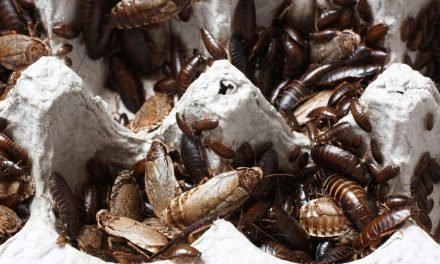
Garden pests are a significant concern for horticulturists and home gardeners alike, as they can severely impact plant health and yield. Common pests include aphids, spider mites, whiteflies, and caterpillars, each presenting unique challenges. Aphids, for instance, are small, sap-sucking insects that can reproduce rapidly, leading to infestations that weaken plants and transmit diseases. Spider mites, on the other hand, thrive in dry conditions and can cause stippling on leaves, ultimately leading to plant decline. Understanding the life cycles and behaviors of these pests is crucial for effective management.
Identifying pests early is essential for minimizing damage. Regular monitoring of plants can help detect infestations before they escalate. For example, a sudden yellowing of leaves or the presence of sticky honeydew on foliage may indicate an aphid problem. Additionally, recognizing the signs of pest damage—such as chewed leaves or webbing—can aid in prompt intervention. By familiarizing oneself with common garden pests and their symptoms, gardeners can implement timely and effective control measures.
Choosing Pest-Resistant Plant Varieties
Selecting pest-resistant plant varieties is a proactive strategy that can significantly reduce the likelihood of infestations. Many cultivars have been bred specifically for their resilience against common pests and diseases. For instance, certain tomato varieties exhibit resistance to nematodes and blight, while some beans are bred to withstand aphid attacks. By incorporating these resilient plants into the garden, gardeners can create a more sustainable ecosystem that requires fewer chemical interventions.
In addition to selecting resistant varieties, it is essential to consider local environmental conditions when choosing plants. Native species often possess natural defenses against local pests and diseases, making them an excellent choice for sustainable gardening. Furthermore, incorporating a diverse range of plants can enhance biodiversity, which in turn can deter pest populations by attracting beneficial insects that prey on harmful species.
Maintaining Healthy Soil for Strong Plants

Healthy soil is the foundation of a thriving garden and plays a critical role in pest management. Soil rich in organic matter supports robust plant growth and enhances their ability to withstand pest pressures. Incorporating compost and well-rotted manure into the soil improves its structure, fertility, and microbial activity. This not only promotes healthy root development but also increases the plant’s resilience against pests and diseases.
Regular soil testing is advisable to monitor nutrient levels and pH balance. A balanced soil environment fosters optimal plant health, making them less susceptible to infestations. Additionally, practicing crop rotation and cover cropping can enhance soil fertility and disrupt pest life cycles, further contributing to a healthy garden ecosystem.
Regularly Inspecting Plants for Early Signs of Pests

Routine inspections of plants are vital for early detection of pest infestations. Gardeners should examine both the upper and lower surfaces of leaves, stems, and flowers for any signs of pests or damage. Early identification allows for swift action, which can prevent minor issues from escalating into significant problems. For example, noticing a few aphids on a single leaf can prompt immediate removal or treatment before they multiply.
In addition to visual inspections, gardeners should also be aware of changes in plant behavior or appearance. Wilting, stunted growth, or unusual discoloration may indicate underlying pest issues. Keeping a garden journal to document observations can help track pest patterns over time and inform future management strategies.
Encouraging Beneficial Insects in Your Garden
Beneficial insects play a crucial role in natural pest control by preying on harmful pests or competing for resources. Ladybugs, lacewings, and parasitic wasps are examples of beneficial insects that can help maintain a balanced ecosystem in the garden. To attract these allies, gardeners can plant a variety of flowering plants that provide nectar and pollen throughout the growing season.
Creating habitats for beneficial insects is also essential. Leaving areas of the garden undisturbed or incorporating insect hotels can provide shelter for these helpful species. Additionally, avoiding broad-spectrum insecticides is critical, as these chemicals can harm beneficial insects along with targeted pests.
Using Natural Pest Repellents and Homemade Sprays
Natural pest repellents offer an eco-friendly alternative to chemical pesticides. Many common household ingredients can be combined to create effective homemade sprays that deter pests without harming beneficial organisms. For example, a mixture of water, dish soap, and vegetable oil can effectively suffocate soft-bodied insects like aphids when sprayed directly onto affected plants.
Essential oils derived from plants such as peppermint, neem, or garlic also possess insect-repelling properties. Diluting these oils in water and applying them as a foliar spray can help deter various pests while providing a pleasant aroma in the garden. It is essential to test any homemade spray on a small area of the plant first to ensure there are no adverse reactions.
Implementing Companion Planting Strategies
Companion planting involves growing different plant species in proximity to enhance growth and deter pests naturally. Certain plants can repel harmful insects or attract beneficial ones when planted together. For instance, marigolds are known to repel nematodes and aphids when planted alongside vegetables like tomatoes or peppers.
Additionally, planting herbs such as basil near tomatoes not only enhances flavor but also helps repel whiteflies and other pests. By strategically pairing plants based on their complementary properties, gardeners can create a more resilient ecosystem that minimizes pest pressures while maximizing yields.
Proper Watering Techniques to Deter Pests
Watering practices significantly influence plant health and susceptibility to pests. Overwatering can lead to root rot and create favorable conditions for fungal diseases, while underwatering stresses plants and makes them more vulnerable to infestations. Implementing proper watering techniques—such as deep watering less frequently—encourages strong root systems and healthier plants.
Drip irrigation systems are an effective method for delivering water directly to the root zone while minimizing moisture on foliage. This approach reduces the likelihood of fungal diseases and deters pests that thrive in damp conditions. Additionally, mulching around plants helps retain soil moisture while suppressing weed growth that could harbor pests.
Keeping the Garden Clean and Free of Debris
Maintaining cleanliness in the garden is essential for preventing pest infestations. Debris such as fallen leaves, dead plants, or unharvested fruits can provide shelter for pests and breeding grounds for diseases. Regularly cleaning up garden waste not only reduces hiding spots for harmful insects but also promotes overall plant health by improving air circulation.
Proper disposal of infected plant material is crucial; it should be removed from the garden entirely rather than composted to prevent the spread of pathogens. Implementing a routine cleaning schedule ensures that the garden remains tidy and less attractive to potential pests.
Utilizing Physical Barriers and Traps
Physical barriers serve as an effective means of protecting plants from pests without resorting to chemicals. Row covers made from lightweight fabric can shield young plants from insect attacks while allowing sunlight and moisture to penetrate. Similarly, netting can protect fruit-bearing plants from birds and larger pests.
Traps are another valuable tool in pest management strategies. Sticky traps can capture flying insects like whiteflies or fungus gnats, while pheromone traps lure specific pests based on their mating signals. Regularly monitoring these traps provides insight into pest populations and informs management decisions.
Rotating Crops to Prevent Pest Build-Up
Crop rotation is a fundamental practice in sustainable gardening that helps prevent pest build-up and soil depletion. By changing the location of specific crops each growing season, gardeners disrupt pest life cycles that may have established themselves in the soil. For example, rotating legumes with brassicas can help manage soil-borne diseases while enhancing nutrient availability.
Implementing crop rotation not only reduces pest pressures but also promotes soil health by diversifying nutrient uptake patterns among different plant families. This practice encourages a balanced ecosystem that supports both plant growth and natural pest control mechanisms.
In summary, effective pest management in gardening requires a multifaceted approach that includes understanding common pests, selecting resistant varieties, maintaining healthy soil, regular inspections, encouraging beneficial insects, using natural repellents, implementing companion planting strategies, practicing proper watering techniques, keeping gardens clean, utilizing physical barriers and traps, and rotating crops. By integrating these strategies into gardening practices, individuals can cultivate thriving gardens while minimizing reliance on chemical interventions.
### FAQ Section
1. **What are some signs of pest infestations?**
– Common signs include yellowing leaves, holes in foliage, sticky residue (honeydew), webbing on leaves (spider mites), or visible insects on plants.
2. **How often should I inspect my garden for pests?**
– Regular inspections should be conducted at least once a week during the growing season to catch any issues early.
3. **What are some effective natural repellents?**
– Homemade sprays using soap and water or essential oils like neem oil or peppermint oil are effective natural repellents against various pests.
4. **Can companion planting really help deter pests?**
– Yes! Certain plants naturally repel pests or attract beneficial insects when grown together.
5. **How does crop rotation help with pest management?**
– Crop rotation disrupts pest life cycles by changing the host plants available for specific pests each season.
6. **What should I do if I find a severe infestation?**
– If an infestation is severe, consider removing affected plants entirely or using targeted treatments such as insecticidal soap or neem oil.
7. **Are there any specific plants known for attracting beneficial insects?**
– Plants like dill, fennel, yarrow, and various flowering herbs attract beneficial insects such as ladybugs and lacewings.
8. **How do I know if my soil is healthy?**
– Healthy soil should have good structure (crumbly texture), dark color (indicating organic matter), and support diverse microbial life; soil tests can provide detailed insights.
9. **What role does mulch play in pest management?**
– Mulch helps retain moisture in the soil while suppressing weeds that could harbor pests; it also improves soil health over time as it decomposes.
10. **Is it necessary to use chemical pesticides if I follow these practices?**
– Following integrated pest management practices significantly reduces the need for chemical pesticides; however, in severe cases where natural methods fail, targeted chemical treatments may be necessary.
By adopting these comprehensive strategies for managing garden pests effectively while promoting plant health through sustainable practices, gardeners can enjoy bountiful harvests with minimal environmental impact.
FAQs
What are some common pests that affect gardens?
Common pests that affect gardens include aphids, slugs, snails, spider mites, whiteflies, and caterpillars. These pests can damage plants by feeding on leaves, stems, and roots, leading to reduced growth and yield.
How can I prevent pests from entering my garden?
To prevent pests from entering your garden, you can implement physical barriers such as row covers, nets, or fences. Additionally, maintaining healthy soil, rotating crops, and keeping the garden clean can deter pests from settling in.
What natural methods can be used for pest control?
Natural methods for pest control include introducing beneficial insects like ladybugs and lacewings, using neem oil or insecticidal soap, and planting companion plants that repel pests. These methods are environmentally friendly and can effectively manage pest populations.
How often should I inspect my garden for pests?
It is advisable to inspect your garden for pests at least once a week. Regular inspections allow you to catch any infestations early and take appropriate action before they cause significant damage to your plants.
What role does plant diversity play in pest prevention?
Plant diversity plays a crucial role in pest prevention by creating a balanced ecosystem. A variety of plants can attract beneficial insects, reduce the spread of pests, and minimize the likelihood of a single pest species overwhelming the garden.