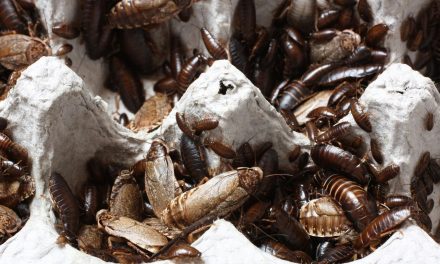
Seasonal pest patterns are critical to comprehending the lifecycle and behavior of various pests that invade homes and gardens. Each season brings unique environmental conditions that can either encourage or deter pest activity. For instance, spring heralds the awakening of hibernating insects, while summer often sees a surge in populations due to favorable temperatures and abundant food sources. Autumn typically prompts pests to seek shelter indoors as temperatures drop, and winter can lead to increased rodent activity as they search for warmth and sustenance.
Understanding these patterns allows homeowners to anticipate potential infestations and take proactive measures. For example, during the spring months, it is advisable to inspect for early signs of termites or ants, which may begin to emerge as the weather warms. Similarly, in late summer, wasps and hornets become more aggressive as they prepare for winter, necessitating vigilance in outdoor spaces. By recognizing these seasonal trends, individuals can implement timely interventions to mitigate pest-related issues.
Inspect and Seal Entry Points
A fundamental strategy in pest prevention is the thorough inspection and sealing of entry points around the home. Pests such as rodents, insects, and spiders often exploit small cracks and crevices to gain access to living spaces. Conducting a meticulous examination of the exterior of the property is essential. Homeowners should pay particular attention to areas around windows, doors, vents, and utility lines where gaps may exist.
Once identified, sealing these entry points with appropriate materials is crucial. Caulk can be used for smaller gaps, while larger openings may require the installation of steel wool or hardware cloth. Additionally, ensuring that doors and windows fit snugly can significantly reduce the likelihood of pest infiltration. Regular maintenance checks should be scheduled to ensure that these barriers remain intact over time.
Maintain Cleanliness and Proper Waste Management

Maintaining cleanliness within the home is paramount in deterring pests. A cluttered environment provides ample hiding spots for insects and rodents, making it easier for them to thrive undetected. Regular cleaning routines should include vacuuming carpets, sweeping floors, and dusting surfaces to eliminate crumbs and debris that attract pests.
Proper waste management is equally important. Garbage should be stored in sealed containers and disposed of regularly to prevent attracting unwanted visitors. Compost bins must be maintained correctly, ensuring they are kept away from the home’s foundation and securely covered. By implementing stringent cleanliness protocols and waste management practices, homeowners can significantly reduce the risk of pest infestations.
Manage Outdoor Landscaping Effectively

Outdoor landscaping plays a pivotal role in pest management strategies. Overgrown vegetation can create a conducive environment for pests by providing shelter and breeding grounds. Homeowners should regularly trim shrubs, mow lawns, and remove debris such as fallen leaves or branches that may harbor pests.
Additionally, strategic planting can deter certain pests. For example, incorporating plants known for their pest-repelling properties, such as marigolds or lavender, can create a natural barrier against insects. Furthermore, maintaining a distance between plants and the home’s foundation can minimize the risk of pests migrating indoors. Effective landscaping management not only enhances the aesthetic appeal of a property but also serves as a proactive measure against pest invasions.
Control Moisture and Humidity Levels
Moisture control is a critical factor in pest prevention, as many pests thrive in humid environments. Areas such as basements, attics, and crawl spaces are particularly susceptible to moisture accumulation, creating ideal conditions for mold growth and attracting pests like termites and cockroaches. Homeowners should regularly inspect these areas for signs of dampness or leaks.
Implementing dehumidifiers in high-humidity areas can significantly reduce moisture levels. Additionally, ensuring proper ventilation in bathrooms and kitchens helps mitigate humidity buildup. Regularly checking plumbing fixtures for leaks and repairing them promptly is essential in preventing water accumulation that could attract pests. By controlling moisture levels within the home, individuals can create an inhospitable environment for many common pests.
Store Firewood and Outdoor Materials Properly
Improper storage of firewood and outdoor materials can inadvertently invite pests into your home. Wood piles should be stored at least 20 feet away from the house and elevated off the ground to prevent contact with soil where insects may reside. This practice not only protects the wood from moisture but also minimizes the risk of termites or other wood-boring insects migrating from the pile into the home.
Outdoor materials such as garden tools, lawn furniture, and equipment should also be stored properly. Keeping these items clean and covered when not in use can prevent pests from nesting within them. Regular inspections of stored materials are advisable to identify any signs of infestation early on. By adopting proper storage practices for firewood and outdoor items, homeowners can significantly reduce their risk of pest problems.
Use Natural Pest Repellents and Barriers
Natural pest repellents offer an eco-friendly alternative to chemical pesticides while effectively deterring unwanted visitors. Essential oils such as peppermint, tea tree oil, and eucalyptus have been shown to repel various insects when diluted with water and sprayed around entry points or infested areas. Additionally, diatomaceous earth is a natural powder that can be sprinkled in areas where pests are likely to travel; it works by dehydrating insects upon contact.
Creating physical barriers is another effective strategy for pest control. Installing screens on windows and doors can prevent insects from entering while allowing fresh air circulation. Additionally, using copper mesh or steel wool to block small openings can deter rodents from infiltrating your home. By combining natural repellents with physical barriers, homeowners can create a comprehensive pest management strategy that is both effective and environmentally friendly.
Schedule Regular Home Inspections
Regular home inspections are vital in identifying potential pest problems before they escalate into significant infestations. Homeowners should consider scheduling professional inspections at least once a year to assess their property for signs of pest activity. Trained pest control professionals can identify vulnerabilities that may go unnoticed by untrained eyes.
During these inspections, technicians will examine common entry points, assess moisture levels, and evaluate landscaping practices that may contribute to pest problems. Early detection allows for timely intervention, which can save homeowners from costly damage repairs associated with severe infestations. By prioritizing regular inspections, individuals can maintain a proactive approach to pest management.
Implement Pest-Proof Food Storage Practices
Food storage practices play a crucial role in preventing pest infestations within the home. Pests such as ants, cockroaches, and rodents are often attracted to easily accessible food sources. To mitigate this risk, all food items should be stored in airtight containers made of glass or heavy-duty plastic rather than cardboard or paper packaging.
Additionally, pantry areas should be regularly cleaned to remove crumbs or spills that may attract pests. It is advisable to rotate food items frequently to ensure older products are used first, minimizing the chances of spoilage that could attract unwanted visitors. By implementing effective food storage practices, homeowners can significantly reduce the likelihood of pest-related issues.
Employ Professional Pest Control Services When Needed
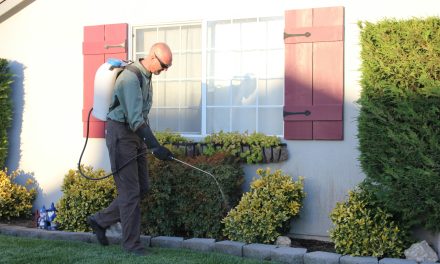
In some cases, despite diligent preventive measures, pest infestations may still occur. When faced with persistent pest problems or significant infestations, enlisting professional pest control services becomes essential. Pest control experts possess specialized knowledge and tools necessary for effectively addressing various types of infestations.
Professional services typically begin with a comprehensive inspection to identify the extent of the problem before developing a tailored treatment plan. This may include targeted pesticide applications or integrated pest management strategies that focus on long-term prevention rather than just immediate eradication. Homeowners should seek licensed professionals who adhere to safety regulations and use environmentally responsible methods whenever possible.
Prepare Your Home for Seasonal Changes
As seasons change, so do the behaviors of various pests; therefore, preparing your home accordingly is crucial for effective pest management. Before winter sets in, homeowners should ensure that all entry points are sealed and that outdoor landscaping is trimmed back to minimize hiding spots for rodents seeking shelter indoors.
In springtime, it is essential to conduct thorough inspections of attics and basements where pests may have sought refuge during colder months. Additionally, ensuring that gutters are clean and functioning properly will prevent water accumulation that could attract pests during rainy seasons. By proactively preparing your home for seasonal changes, you can significantly reduce the risk of pest infestations throughout the year.
In summary, understanding seasonal pest patterns is vital for effective prevention strategies against infestations in homes and gardens. Regular inspections combined with sealing entry points and maintaining cleanliness are foundational practices that deter pests from entering living spaces. Effective outdoor landscaping management further minimizes risks while controlling moisture levels creates an inhospitable environment for many common pests.
Proper storage practices for firewood and outdoor materials are essential in preventing infestations while utilizing natural repellents offers an eco-friendly alternative to chemical pesticides. Scheduling regular home inspections ensures early detection of potential problems while implementing effective food storage practices reduces attractants within the home.
When necessary, professional pest control services provide expert solutions tailored to specific infestations while preparing your home for seasonal changes enhances overall pest management efforts throughout the year. By adopting these comprehensive strategies, homeowners can maintain a pest-free environment conducive to health and well-being.
FAQs
What are some common seasonal pests to watch out for?
Common seasonal pests include ants, mosquitoes, ticks, and rodents in the warmer months, while spiders, cockroaches, and termites may become more prevalent in the fall and winter. Each season brings its own set of pests that can invade homes and gardens.
How can I prevent pests from entering my home?
To prevent pests from entering your home, seal cracks and gaps in windows, doors, and foundations. Ensure that screens are intact and use weather stripping to close off entry points. Keeping your home clean and free of food debris also helps deter pests.
What are some natural pest control methods?
Natural pest control methods include using essential oils like peppermint or tea tree oil, diatomaceous earth, and vinegar solutions. Planting pest-repelling plants such as marigolds or lavender can also help keep certain insects at bay.
When is the best time to implement pest prevention measures?
The best time to implement pest prevention measures is during the transition between seasons, particularly in early spring and late summer. This allows you to address potential infestations before they become a problem as temperatures change.
Should I hire a professional pest control service?
Hiring a professional pest control service can be beneficial if you have a significant infestation or if DIY methods are not effective. Professionals have access to specialized treatments and can provide ongoing monitoring and prevention strategies tailored to your specific needs.