Integrated Pest Management (IPM) is a holistic approach to pest control that emphasizes the integration of various management strategies to minimize pest populations while reducing the reliance on chemical pesticides. The core principles of IPM revolve around understanding the life cycles of pests, their natural enemies, and the environmental conditions that favor pest outbreaks. By employing a combination of biological, cultural, physical, and chemical methods, IPM aims to create a sustainable ecosystem that promotes plant health and minimizes harm to beneficial organisms.
The foundation of IPM lies in its proactive nature. Rather than waiting for pest populations to reach damaging levels, IPM encourages regular monitoring and early detection of potential infestations. This approach allows for timely interventions that can prevent significant crop damage. Furthermore, IPM promotes the use of environmentally friendly practices that align with sustainable agriculture, ensuring that pest management strategies do not compromise soil health or biodiversity.
Regular Monitoring and Early Pest Detection
Regular monitoring is a critical component of effective pest management. By routinely inspecting plants for signs of pest activity, gardeners and farmers can identify infestations before they escalate into larger problems. This practice involves examining leaves, stems, and soil for any unusual signs such as discoloration, wilting, or the presence of insects. Utilizing tools such as sticky traps or pheromone lures can enhance detection efforts by attracting specific pests and providing valuable data on their population dynamics.
Early detection not only facilitates timely intervention but also aids in understanding pest life cycles and behaviors. For instance, knowing when certain pests are most active can inform the timing of control measures. Additionally, monitoring can help identify beneficial insects that may be present in the ecosystem, allowing for a more informed approach to pest management that leverages natural predation rather than relying solely on chemical interventions.
Encouraging Beneficial Insects and Natural Predators

One of the most effective strategies within IPM is the encouragement of beneficial insects and natural predators. These organisms play a vital role in controlling pest populations by preying on harmful species. For example, ladybugs are known for their voracious appetite for aphids, while lacewings target a variety of soft-bodied insects. By fostering an environment that attracts these beneficial species, gardeners can enhance their pest management efforts naturally.
Creating habitats that support beneficial insects involves planting diverse flora that provides food and shelter. Native plants are particularly effective as they are adapted to local ecosystems and can attract a wide range of pollinators and predators. Additionally, minimizing pesticide use is crucial; broad-spectrum insecticides can inadvertently harm beneficial species, disrupting the delicate balance within the ecosystem. By prioritizing the health of beneficial insects, gardeners can establish a self-regulating system that reduces reliance on chemical controls.
Selecting Pest-Resistant Plant Varieties

Choosing pest-resistant plant varieties is a proactive strategy that can significantly reduce the likelihood of infestations. Many cultivars have been bred specifically for their resistance to common pests and diseases, making them ideal choices for gardens and agricultural settings. For instance, certain tomato varieties exhibit resistance to nematodes and blight, while some beans are bred to withstand aphid attacks.
Incorporating pest-resistant plants into a garden not only minimizes the need for chemical interventions but also contributes to overall biodiversity. These plants can serve as a buffer against pest outbreaks by providing alternative food sources for pests or by attracting beneficial insects that help control populations. When selecting plant varieties, it is essential to consider local conditions such as climate, soil type, and prevalent pests to ensure optimal performance.
Maintaining Healthy Soil for Strong Plants
Healthy soil is the cornerstone of robust plant growth and resilience against pests. Soil health encompasses various factors, including nutrient content, microbial activity, and structure. By focusing on soil management practices such as composting, mulching, and crop rotation, gardeners can enhance soil fertility and promote a thriving ecosystem that supports plant health.
Incorporating organic matter into the soil improves its structure and water retention capabilities while fostering beneficial microbial communities. These microorganisms play a crucial role in nutrient cycling and disease suppression. Additionally, maintaining proper pH levels and nutrient balance through soil testing ensures that plants receive the essential elements they need to thrive. Strong plants are better equipped to withstand pest pressures, reducing the likelihood of infestations.
Implementing Crop Rotation and Diversity
Crop rotation is a fundamental practice in sustainable agriculture that involves alternating the types of crops grown in a particular area over time. This strategy disrupts pest life cycles by preventing them from establishing themselves in one location. For example, rotating crops from the same family can reduce the buildup of soil-borne pathogens and pests associated with those plants.
Diversity in planting not only aids in pest management but also enhances soil health and resilience against environmental stressors. By incorporating a variety of crops, gardeners can create a more balanced ecosystem that supports beneficial organisms while minimizing competition among plants. Companion planting—growing different species together—can further enhance this diversity by promoting mutual benefits such as pest deterrence or improved pollination.
Using Physical Barriers and Traps Effectively
Physical barriers are an essential tool in IPM that can prevent pests from accessing plants without resorting to chemical controls. Row covers, nets, and screens can effectively shield crops from insect pests while allowing sunlight and moisture to penetrate. These barriers are particularly useful during vulnerable growth stages when plants are most susceptible to infestations.
Traps also play a significant role in monitoring and controlling pest populations. Sticky traps can capture flying insects, providing valuable data on their presence and abundance. Pheromone traps exploit the natural mating behaviors of pests to lure them into traps, effectively reducing their populations. By strategically placing these traps throughout the garden or field, growers can gain insights into pest dynamics while implementing targeted control measures.
Applying Organic and Biological Controls
Organic and biological controls offer environmentally friendly alternatives to synthetic pesticides in managing pest populations. These methods utilize naturally occurring organisms or substances to suppress pests without harming beneficial species or the environment. For instance, introducing nematodes can effectively target soil-dwelling pests like grubs while leaving plants unharmed.
Additionally, botanical insecticides derived from plants such as neem or pyrethrum provide effective control against various pests while being less harmful to non-target organisms. These products disrupt pest feeding or reproduction without causing long-term ecological damage. Implementing these organic controls within an IPM framework allows for a more sustainable approach to pest management that aligns with ecological principles.
Practicing Proper Watering and Garden Hygiene
Watering practices significantly influence plant health and susceptibility to pests. Overwatering can lead to root rot and create favorable conditions for fungal diseases, while underwatering stresses plants and makes them more vulnerable to infestations. Implementing efficient irrigation systems such as drip irrigation ensures that plants receive adequate moisture without excess water pooling around their roots.
Garden hygiene is equally important in preventing pest outbreaks. Regularly removing debris, fallen leaves, and dead plant material eliminates potential breeding grounds for pests and diseases. Cleaning tools between uses helps prevent the spread of pathogens from one plant to another. By maintaining a clean garden environment, growers can significantly reduce the risk of infestations while promoting overall plant health.
Minimizing Chemical Pesticide Use and Alternatives
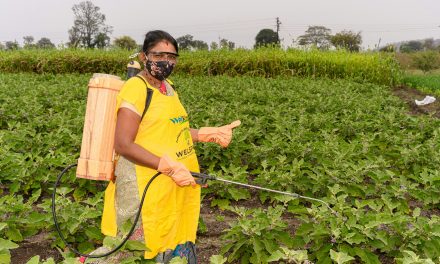
While chemical pesticides may be necessary in certain situations, minimizing their use is crucial for sustainable pest management. Over-reliance on synthetic chemicals can lead to resistance among pest populations, making them harder to control over time. Furthermore, chemical residues can harm beneficial organisms and disrupt ecosystems.
Alternatives to chemical pesticides include cultural practices such as crop rotation, companion planting, and habitat enhancement for beneficial insects. Additionally, using targeted biological controls or organic insecticides can provide effective solutions without compromising environmental integrity. Educating oneself about pest identification and life cycles enables growers to make informed decisions about when intervention is necessary.
Keeping Detailed Records and Adjusting Strategies
Maintaining detailed records of pest activity, weather conditions, and management practices is essential for refining IPM strategies over time. By documenting observations and outcomes, growers can identify patterns that inform future decisions regarding pest management approaches. This data-driven approach allows for continuous improvement in pest control efforts.
Adjusting strategies based on recorded data ensures that interventions remain effective and relevant to changing conditions. For instance, if certain pests consistently appear at specific times of the year, growers can implement preventive measures ahead of time rather than reacting after infestations occur. This proactive mindset fosters resilience within agricultural systems while promoting sustainable practices.
In summary, Integrated Pest Management (IPM) represents a comprehensive approach to controlling pests through a combination of monitoring, biological controls, cultural practices, and minimal chemical use. By understanding IPM principles and implementing strategies such as encouraging beneficial insects, selecting resistant plant varieties, maintaining healthy soil, practicing crop rotation, utilizing physical barriers, applying organic controls, ensuring proper watering practices, minimizing pesticide use, and keeping detailed records, growers can create sustainable ecosystems that thrive while effectively managing pest populations.
FAQs
What is Integrated Pest Management (IPM)?
Integrated Pest Management (IPM) is a sustainable approach to managing pests that combines various biological, cultural, physical, and chemical tools in a way that minimizes economic, health, and environmental risks. IPM focuses on long-term prevention of pests through a combination of techniques such as habitat manipulation, biological control, and the use of resistant varieties.
What are the key components of IPM?
The key components of Integrated Pest Management include pest identification, monitoring and assessment of pest populations, setting action thresholds, implementing control measures, and evaluating the effectiveness of those measures. This systematic approach helps in making informed decisions about pest control while minimizing negative impacts.
How does IPM benefit the environment?
IPM benefits the environment by reducing the reliance on chemical pesticides, which can have harmful effects on non-target organisms, including beneficial insects, wildlife, and humans. By using a combination of methods, IPM promotes biodiversity, enhances ecosystem health, and reduces pollution and chemical runoff.
Can IPM be used in residential settings?
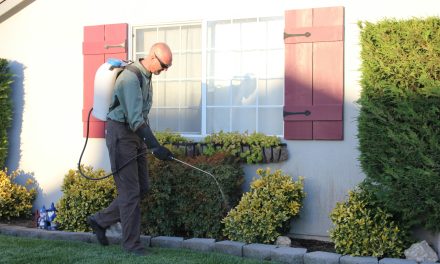
Yes, Integrated Pest Management can be effectively used in residential settings. Homeowners can implement IPM strategies by maintaining cleanliness, sealing entry points, using traps, and applying targeted treatments only when necessary. This approach helps manage pests while minimizing risks to family members and pets.
What role does education play in IPM?
Education plays a crucial role in Integrated Pest Management by informing stakeholders about pest biology, monitoring techniques, and effective control strategies. Training programs and resources help farmers, gardeners, and pest control professionals understand IPM principles, enabling them to make better decisions and adopt sustainable practices.