Household pests are a pervasive issue that can disrupt the comfort and safety of our living environments. These unwelcome visitors can range from tiny insects to larger rodents, each presenting unique challenges and potential health risks. Understanding the biology, behavior, and control methods for these pests is crucial for effective management. The presence of pests can lead to property damage, contamination of food supplies, and even the transmission of diseases. This article delves into various common household pests, exploring their characteristics, the problems they pose, and effective prevention and treatment strategies.
The impact of household pests extends beyond mere annoyance; they can compromise the structural integrity of homes, contaminate food sources, and pose health risks to inhabitants. For instance, rodents are notorious carriers of diseases such as hantavirus and leptospirosis, while insects like cockroaches can trigger asthma and allergies. Therefore, it is imperative to adopt a proactive approach to pest management, which includes identifying potential threats, implementing preventive measures, and utilizing appropriate treatment options when infestations occur.
Ants: Tiny Invaders with Big Problems
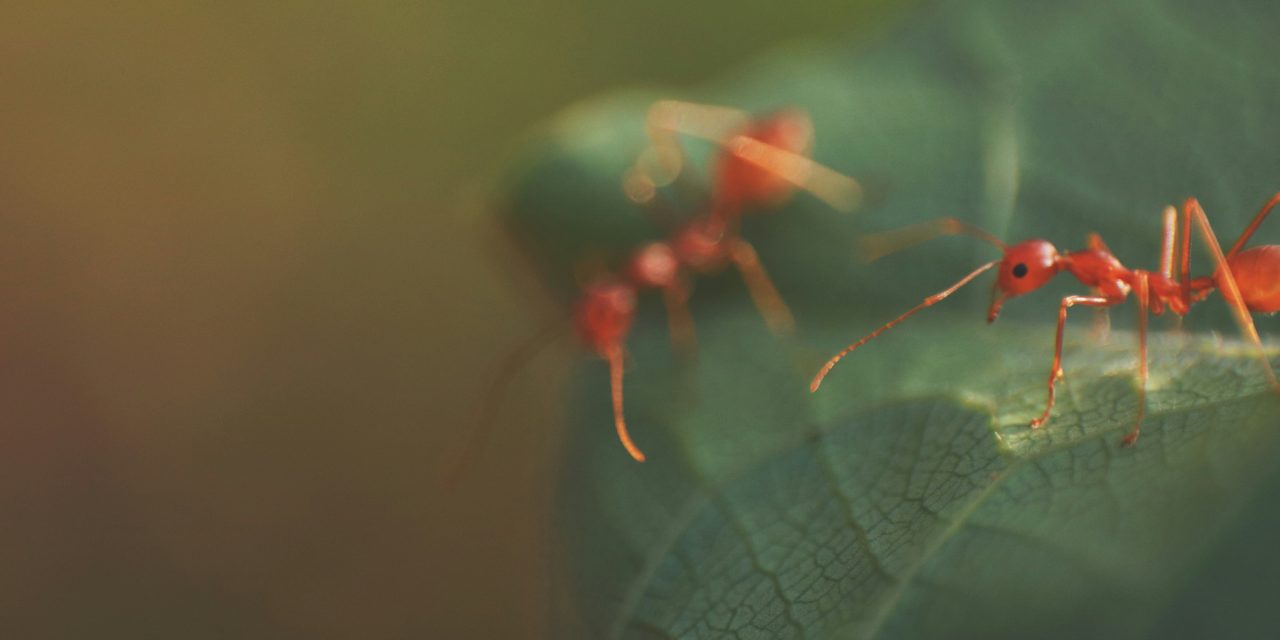
Ants are among the most common household pests, with over 12,000 species identified worldwide. These social insects operate in colonies that can range from a few dozen to millions of individuals. Their ability to infiltrate homes in search of food and shelter makes them a significant nuisance. Ants are particularly attracted to sugary substances, grease, and protein-rich foods, which can lead them to invade kitchens and pantries.
The presence of ants can indicate underlying issues such as moisture problems or food sources that need to be addressed. Carpenter ants, for example, can cause structural damage by hollowing out wood for nesting purposes. To effectively manage ant infestations, it is essential to identify the species involved and their nesting habits. Baiting systems that contain slow-acting insecticides can be particularly effective, as they allow worker ants to transport the poison back to the colony, ultimately eliminating the queen and other members.
Preventive measures include sealing entry points around windows and doors, maintaining cleanliness in food storage areas, and addressing moisture issues that may attract these pests. Regular inspections can help identify potential nests before they become problematic.
Cockroaches: The Resilient Unwelcome Guests

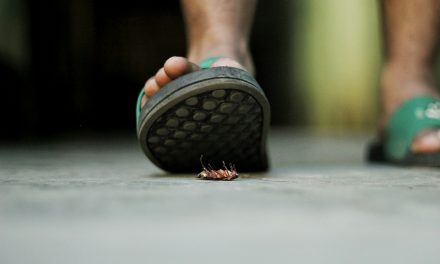
Cockroaches are notorious for their resilience and adaptability, making them one of the most challenging pests to eradicate. There are several species commonly found in households, including the German cockroach and the American cockroach. These insects thrive in warm, humid environments and are often found in kitchens and bathrooms where food and moisture are readily available.
Cockroaches are not only unsightly but also pose significant health risks. They can carry pathogens that lead to food poisoning and exacerbate asthma symptoms due to their droppings and shed exoskeletons. Effective control measures include a combination of sanitation practices, exclusion techniques, and targeted insecticide applications. Maintaining a clean environment by promptly cleaning up spills and crumbs is crucial in reducing their food sources.
Insect growth regulators (IGRs) can also be employed to disrupt the life cycle of cockroaches, preventing them from reaching maturity and reproducing. Additionally, sealing cracks and crevices where cockroaches may enter can significantly reduce their access points.
Termites: Silent Destroyers of Wood Structures

Termites are often referred to as “silent destroyers” due to their ability to cause extensive damage to wooden structures without immediate detection. These social insects primarily feed on cellulose found in wood, paper, and other plant materials. The most common types of termites that invade homes include subterranean termites, drywood termites, and dampwood termites.
The economic impact of termite infestations can be staggering, with billions of dollars spent annually on damage repairs and treatments. Early detection is critical for minimizing damage; signs of infestation include mud tubes on walls, discarded wings near windowsills, and hollow-sounding wood when tapped.
Treatment options for termite infestations vary based on the species involved and the extent of the damage. Liquid termiticides can be applied to create a barrier around the foundation of a home, while baiting systems can attract termites to ingest toxic substances that eliminate entire colonies. Preventive measures include regular inspections by pest control professionals and maintaining proper drainage around the home to reduce moisture levels that attract termites.
Rodents: Mice and Rats in Your Home
Rodents such as mice and rats are among the most common household pests, known for their rapid reproduction rates and adaptability. These mammals are not only a nuisance but also pose serious health risks through the transmission of diseases such as salmonella and hantavirus. Their gnawing habits can lead to significant property damage as they chew through wires, insulation, and structural materials.
Effective rodent control begins with identifying entry points into the home. Mice can squeeze through openings as small as a dime, while rats require slightly larger gaps. Sealing these entry points with materials such as steel wool or caulk is essential for preventing infestations. Trapping is one of the most effective methods for controlling rodent populations; snap traps or electronic traps can quickly eliminate individuals.
In addition to trapping, bait stations containing rodenticides may be employed in severe infestations. However, caution must be exercised when using poisons to prevent accidental exposure to pets or children. Maintaining cleanliness by storing food in airtight containers and promptly disposing of waste can significantly reduce attractants for rodents.
Bed Bugs: Nighttime Bloodsuckers
Bed bugs have made a resurgence in recent years, becoming a significant concern for homeowners and travelers alike. These small, nocturnal insects feed on human blood during the night while their hosts sleep. Bed bugs are notoriously difficult to eliminate due to their ability to hide in small crevices and their resistance to many conventional insecticides.
Signs of a bed bug infestation include itchy welts on the skin, blood stains on bedding, and dark spots of excrement on mattresses or walls. Effective treatment requires a comprehensive approach that includes thorough cleaning of infested areas, washing bedding in hot water, and vacuuming carpets and furniture.
Professional pest control services often employ heat treatments or steam cleaning methods to eradicate bed bugs effectively. Heat treatments involve raising the temperature of infested areas to levels lethal for bed bugs while ensuring safety for belongings. Preventive measures include inspecting second-hand furniture before bringing it into the home and using protective mattress encasements.
Mosquitoes: More Than Just an Annoyance
Mosquitoes are often viewed as mere nuisances during warm weather; however, they pose significant health risks due to their role as vectors for various diseases such as West Nile virus, Zika virus, dengue fever, and malaria. Female mosquitoes require blood meals for egg production, making them particularly bothersome during outdoor activities.
To combat mosquito populations effectively, it is essential to eliminate standing water where they breed. This includes regularly emptying containers such as bird baths, flower pots, and clogged gutters. Additionally, using insect repellents containing DEET or picaridin can provide protection against bites during outdoor exposure.
For more severe infestations, professional pest control services may employ larvicides in standing water sources or utilize fogging treatments during peak mosquito activity periods. Installing screens on windows and doors can also help prevent mosquitoes from entering living spaces.
Spiders: Friends or Foes?
Spiders are often misunderstood creatures; while many people fear them due to their appearance or potential venomous bites, most spiders are harmless and play a vital role in controlling insect populations. Common household spiders include the common house spider and the brown recluse spider.
While most spiders do not pose significant threats to humans, certain species can deliver painful bites that may require medical attention. Effective spider control involves reducing clutter where spiders may hide and sealing cracks around windows and doors to prevent entry.
In cases where venomous spiders are identified or if infestations become overwhelming, professional pest control services may be necessary for safe removal. Preventive measures include maintaining cleanliness in living areas and utilizing natural deterrents such as essential oils like peppermint or tea tree oil.
Fleas: The Itchy Intruders
Fleas are small parasitic insects that primarily feed on the blood of mammals and birds. They are notorious for infesting pets but can also invade homes when environmental conditions are favorable. Flea bites can cause intense itching and discomfort for both pets and humans.
To effectively manage flea infestations, it is crucial to treat both pets and their environment simultaneously. Veterinary-approved flea treatments such as topical solutions or oral medications can eliminate fleas on pets quickly. Additionally, thorough cleaning of carpets, upholstery, and bedding is essential for removing flea eggs and larvae.
Professional pest control services may employ insect growth regulators (IGRs) or residual insecticides to target fleas in living spaces effectively. Preventive measures include regular grooming of pets with flea combs and maintaining cleanliness in areas where pets frequent.
Wasps and Bees: Stingers to Watch Out For
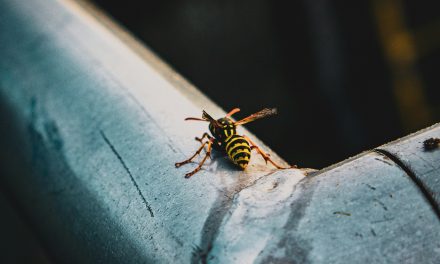
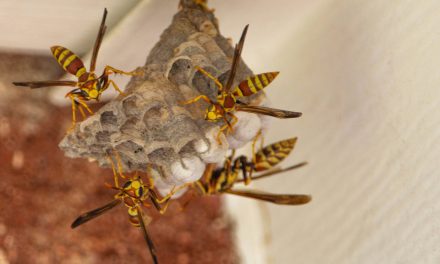
Wasps and bees play essential roles in pollination; however, their presence around homes can lead to painful stings if provoked. Wasps tend to be more aggressive than bees and often build nests in sheltered areas such as eaves or attics.
To prevent stings from these insects, it is crucial to avoid attracting them with food sources such as open garbage cans or uncovered food during outdoor gatherings. If nests are discovered near living spaces, professional removal is recommended due to the risk of aggressive behavior when nests are disturbed.
In cases where stings occur, immediate medical attention should be sought if allergic reactions develop. Over-the-counter antihistamines may alleviate mild symptoms; however, individuals with known allergies should carry epinephrine auto-injectors for emergencies.
Silverfish: The Paper and Fabric Eaters
Silverfish are small wingless insects known for their silvery appearance and fish-like movements. They thrive in damp environments and are often found in basements or bathrooms where they feed on starchy materials such as paper products, glue, and fabrics.
To manage silverfish infestations effectively, it is essential to reduce humidity levels within the home through proper ventilation or dehumidifiers. Sealing cracks around windows and doors can also prevent their entry into living spaces.
Insecticides specifically formulated for silverfish may be applied in infested areas; however, preventive measures such as regular cleaning of storage areas containing paper products can significantly reduce attractants for these pests.
Protecting Your Home from Pests
In conclusion, understanding common household pests is vital for maintaining a safe and comfortable living environment. Each type of pest presents unique challenges that require tailored management strategies encompassing prevention techniques and treatment options. By adopting proactive measures such as regular inspections, proper sanitation practices, sealing entry points, and utilizing professional pest control services when necessary, homeowners can effectively protect their homes from these unwelcome intruders.
Ultimately, fostering awareness about household pests empowers individuals to take action before infestations escalate into significant problems that could compromise health or property integrity. Through education and vigilance, we can create pest-free environments conducive to well-being for all inhabitants.
FAQs
What are the main categories of pests?
Pests can be broadly categorized into three main types: insects, rodents, and weeds. Insects include species like ants, cockroaches, and termites, while rodents encompass animals such as mice and rats. Weeds are unwanted plants that compete with cultivated crops for resources.
How do pests affect agriculture?
Pests can significantly impact agriculture by damaging crops, reducing yields, and increasing production costs. They can cause direct harm through feeding on plants or indirectly by transmitting diseases that affect plant health.
What are some common household pests?
Common household pests include ants, cockroaches, bed bugs, termites, and rodents. These pests can invade homes in search of food, shelter, and warmth, leading to potential health risks and property damage.
What methods are used to control pests?
Pest control methods include chemical treatments, biological control, cultural practices, and physical barriers. Chemical treatments involve pesticides, while biological control uses natural predators. Cultural practices include crop rotation and sanitation, and physical barriers can include traps and nets.
Are all pests harmful to humans?
No, not all pests are harmful to humans. While some pests can pose health risks or cause property damage, others play beneficial roles in ecosystems, such as pollinating plants or controlling other pest populations.