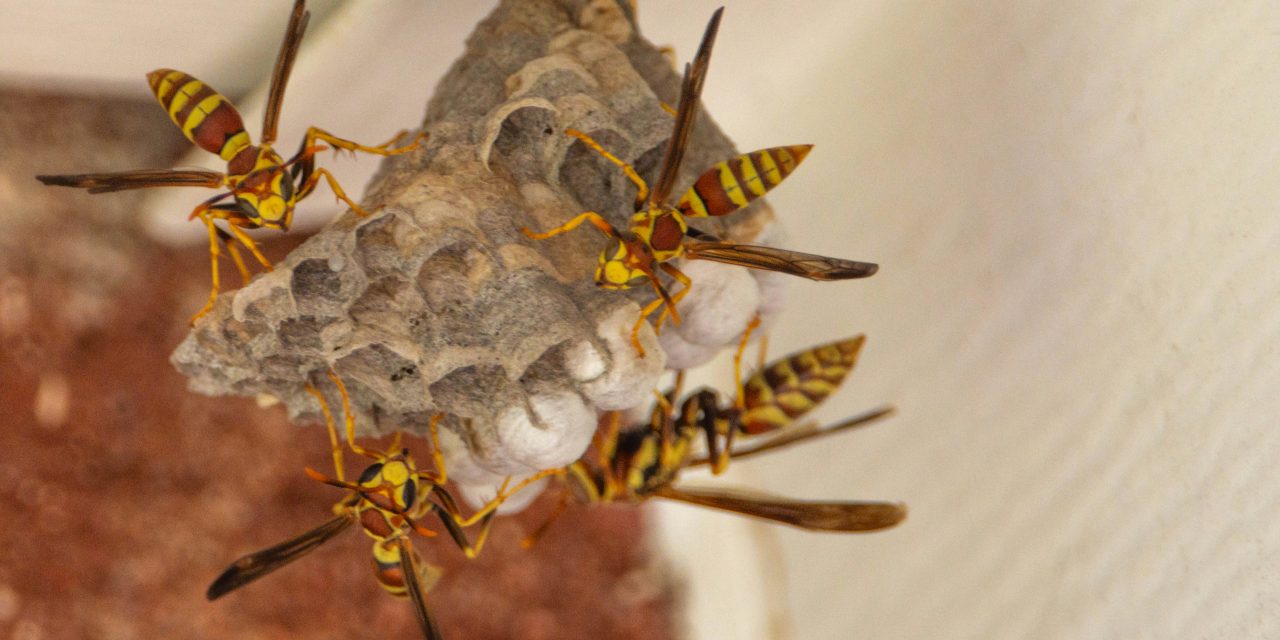
Wasp nests can pose significant threats to both human health and property. These insects, particularly species such as the yellow jacket and paper wasp, are known for their aggressive behavior when their nests are disturbed. Their stings can cause severe allergic reactions in some individuals, leading to anaphylaxis, a life-threatening condition that requires immediate medical attention. Furthermore, wasps play a crucial role in the ecosystem as pollinators and pest controllers; however, when they invade residential areas, their presence becomes problematic.
Removing wasp nests is essential not only for safety but also for maintaining a comfortable living environment. A single nest can house thousands of wasps, and their population can grow exponentially during the warmer months. Ignoring a wasp infestation can lead to increased aggression from these insects, resulting in multiple stings and potential health risks for residents and pets. Therefore, timely removal is critical to mitigate these dangers and restore peace of mind.
Factors Influencing the Cost of Wasp Nest Removal
The cost of wasp nest removal can vary significantly based on several factors. One primary consideration is the size of the nest. Larger nests typically require more time and resources to remove, leading to higher costs. Additionally, the species of wasp can influence pricing; some species are more aggressive and may require specialized techniques for safe removal.
Another critical factor is the location of the nest. Nests situated in hard-to-reach areas, such as attics or high tree branches, may necessitate additional equipment or labor, thereby increasing the overall expense. Accessibility plays a vital role in determining how much effort is needed for removal. Furthermore, the time of year can also affect pricing; during peak wasp season, demand for pest control services rises, potentially leading to higher rates.
Average Price Range for Professional Wasp Nest Removal

On average, homeowners can expect to pay between $100 and $500 for professional wasp nest removal services. This price range encompasses various factors, including the complexity of the job and the geographical location of the property. In urban areas where pest control services are in high demand, prices may skew higher compared to rural settings.
For smaller nests located in easily accessible areas, costs may be on the lower end of the spectrum. Conversely, larger nests or those requiring specialized equipment can push expenses toward the upper limit. It is essential for homeowners to obtain quotes from multiple pest control companies to ensure they receive a fair price for the services rendered.
DIY Wasp Nest Removal: Cost and Risks

While some homeowners may consider DIY wasp nest removal as a cost-saving measure, it is crucial to weigh the potential risks involved. The primary expense associated with DIY removal typically includes purchasing protective gear and insecticides, which can range from $20 to $100 depending on the products chosen. However, this approach carries significant dangers.
Attempting to remove a wasp nest without professional assistance can lead to multiple stings and severe allergic reactions. Wasps are highly territorial and will aggressively defend their nests if they perceive a threat. Moreover, improper use of insecticides can result in environmental harm or unintended harm to non-target species. Therefore, while DIY removal may seem economical, it often poses greater risks than hiring trained professionals.
Size and Location of the Nest: Impact on Pricing
The size and location of a wasp nest are critical determinants of removal costs. Smaller nests, which may house only a few dozen wasps, can often be removed quickly and with minimal equipment. In contrast, larger nests containing thousands of wasps require more extensive labor and specialized tools, leading to increased costs.
Location also plays a significant role in pricing. Nests found in easily accessible areas such as eaves or fences are generally less expensive to remove than those located in hard-to-reach places like attics or underground burrows. The complexity of accessing these nests can necessitate additional safety measures and equipment, further driving up costs.
Seasonal Variations in Wasp Nest Removal Costs
Wasp activity is highly seasonal, with populations peaking during late summer and early fall. Consequently, demand for pest control services tends to increase during these months, often resulting in higher prices for removal services. Homeowners seeking assistance during peak season may find themselves paying a premium due to increased demand.
Conversely, during early spring or late fall when wasp activity is lower, prices may decrease as pest control companies experience reduced workloads. Homeowners who plan ahead and address potential infestations during off-peak times may benefit from lower rates and more availability among service providers.
Additional Services and Their Effect on Total Cost
In addition to basic nest removal, many pest control companies offer supplementary services that can impact overall costs. For instance, some companies provide preventative treatments to deter future infestations or inspections to identify potential nesting sites around the property. These additional services can range from $50 to several hundred dollars depending on the extent of treatment required.
Homeowners should consider whether these additional services align with their needs and budget. While they may incur extra costs upfront, preventative measures can save money in the long run by reducing the likelihood of future infestations.
Comparing Quotes from Different Pest Control Companies
When seeking professional wasp nest removal services, it is advisable for homeowners to compare quotes from multiple pest control companies. This process allows individuals to assess pricing structures and service offerings comprehensively. Factors to consider include not only cost but also company reputation, customer reviews, and guarantees offered.
Obtaining at least three quotes can provide a clearer picture of average market rates while helping homeowners identify any outliers that may indicate subpar service or inflated pricing. Additionally, asking about warranties or follow-up services can further inform decision-making.
Insurance and Warranties: Are They Worth the Extra Cost?
Many pest control companies offer warranties or insurance options that cover future infestations after initial removal services are completed. While these options may incur additional costs upfront, they can provide peace of mind for homeowners concerned about recurring issues.
Investing in a warranty can be particularly beneficial in areas prone to frequent wasp activity or where nests are difficult to locate and remove entirely. Homeowners should carefully evaluate the terms of any warranty offered and consider whether it aligns with their long-term pest management strategy.
Tips for Reducing Wasp Nest Removal Expenses
Homeowners looking to minimize expenses associated with wasp nest removal can implement several strategies. First, proactive measures such as regular property inspections can help identify potential nesting sites before they become problematic. Keeping outdoor areas clean and free from food sources can also deter wasps from establishing nests nearby.
Additionally, scheduling removal services during off-peak seasons may yield lower rates due to decreased demand. Finally, obtaining multiple quotes allows homeowners to make informed decisions based on competitive pricing while ensuring they receive quality service.
Determining whether to seek professional assistance or attempt DIY removal hinges on several factors including personal comfort level with handling pests, severity of infestation, and potential health risks involved. For minor infestations in easily accessible locations where individuals feel confident managing the situation safely, DIY methods may suffice.
However, for larger nests or those located in challenging areas where safety is a concern, professional help is strongly recommended. Trained pest control technicians possess the expertise and equipment necessary to handle infestations safely while minimizing risks associated with aggressive wasps.
In summary, understanding the complexities surrounding wasp nest removal is essential for homeowners facing potential infestations. Factors influencing costs include nest size and location, seasonal variations in demand, and additional services offered by pest control companies. While DIY methods may seem appealing from a financial standpoint, they carry inherent risks that often outweigh potential savings. Ultimately, weighing options carefully will lead to informed decisions that prioritize safety while effectively addressing wasp-related concerns.
FAQs
What is the average cost of wasp nest removal?
The average cost of wasp nest removal typically ranges from $100 to $500, depending on factors such as the size of the nest, the location, and the pest control service provider. In some cases, additional charges may apply for difficult-to-reach nests or if multiple nests need to be removed.
Are there any factors that can affect the cost of removal?
Yes, several factors can influence the cost of wasp nest removal. These include the size and type of the nest, the accessibility of the location, the time of year, and whether the nest is in a residential or commercial area. Additionally, if the infestation is extensive or requires special equipment, costs may increase.
Is it safe to remove a wasp nest on my own?
While some homeowners may attempt to remove a wasp nest themselves, it is generally not recommended due to the risk of stings and allergic reactions. Professional pest control services have the necessary training, equipment, and protective gear to safely remove nests without endangering themselves or others.
Does insurance cover the cost of wasp nest removal?
Homeowners’ insurance policies may cover the cost of wasp nest removal, but this can vary by policy and provider. It is advisable to check with your insurance company to determine if pest control services are included in your coverage and what the specific terms are.
How can I prevent wasps from building nests in the future?
To prevent wasps from nesting in your area, consider sealing entry points around your home, removing food sources such as open garbage cans, and keeping outdoor eating areas clean. Additionally, using wasp repellents or traps can help deter them from establishing nests nearby.