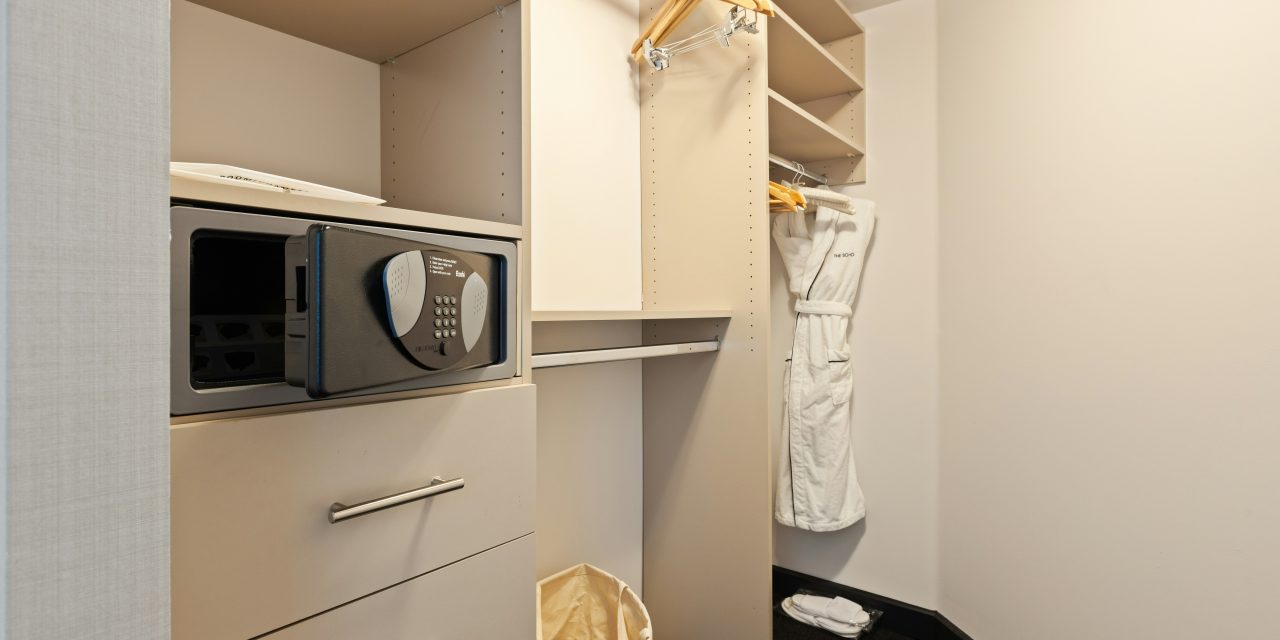
The first step in optimizing your closet space is a thorough assessment of both the physical dimensions of the area and your specific storage requirements. Begin by measuring the height, width, and depth of your closet. This will provide a clear understanding of the available space and help you visualize potential storage solutions. Consider the layout of your closet, including any obstructions such as shelves, rods, or built-in features that may limit your options.
Next, evaluate your personal needs. Take stock of the items you currently store in your closet, including clothing, shoes, accessories, and other belongings. Categorize these items based on frequency of use and necessity. For instance, seasonal clothing may require different storage solutions than everyday wear. Understanding your habits and preferences will guide you in creating a functional and efficient closet system tailored to your lifestyle.
Decluttering: The First Step to More Space
Decluttering is an essential precursor to any organizational endeavor. It involves systematically removing items that no longer serve a purpose or bring joy to your life. Start by emptying your closet entirely, allowing you to see everything you own in one place. This process can be overwhelming, but breaking it down into manageable categories—such as clothing, shoes, and accessories—can simplify the task.
As you sort through your belongings, apply the “one-year rule”: if you haven’t worn or used an item in the past year, consider donating or discarding it. This not only frees up valuable space but also promotes a more mindful approach to consumption. Additionally, consider the condition of each item; if something is damaged beyond repair or no longer fits, it may be time to let it go. By decluttering effectively, you create a blank canvas for implementing new storage solutions.
Utilizing Vertical Space with Tall Shelving

Once you’ve decluttered, it’s time to maximize the vertical space in your closet. Tall shelving units can significantly increase storage capacity by utilizing the often-overlooked height of the closet. These shelves can be installed above existing rods or in corners where traditional storage solutions may not fit.
Consider adjustable shelving systems that allow you to customize the height and spacing between shelves based on your specific needs. This flexibility enables you to store items of varying sizes, from bulky sweaters to delicate accessories. Additionally, incorporating baskets or bins on these shelves can help keep smaller items organized and easily accessible while maintaining a clean aesthetic.
Installing Double Hanging Rods for More Clothing Storage

One of the most effective ways to increase clothing storage is by installing double hanging rods within your closet. This solution is particularly beneficial for those with a significant amount of shorter garments, such as shirts, blouses, and skirts. By adding a second rod below the existing one, you can effectively double your hanging space without requiring additional square footage.
When installing double rods, ensure that they are positioned at appropriate heights to accommodate both long and short garments. The upper rod can be reserved for longer items like dresses and coats, while the lower rod can hold shorter pieces. This arrangement not only maximizes space but also enhances visibility and accessibility, making it easier to select outfits quickly.
Incorporating Adjustable Shelves for Flexibility
Adjustable shelves are a versatile addition to any closet organization strategy. Unlike fixed shelving units, adjustable shelves can be repositioned according to changing storage needs. This adaptability is particularly useful in accommodating seasonal clothing changes or varying sizes of items over time.
When selecting adjustable shelving systems, look for options that are easy to install and modify. Some systems come with pre-drilled holes for quick adjustments, while others may require additional tools for installation. By incorporating adjustable shelves into your closet design, you can create a dynamic storage solution that evolves with your wardrobe.
Using Clear, Stackable Storage Bins
Clear, stackable storage bins are an excellent way to keep smaller items organized while maximizing vertical space. These bins allow for easy visibility of contents, eliminating the need to rummage through boxes to find specific items. When selecting bins, opt for those that are durable and designed for stacking to ensure stability.
Labeling each bin can further enhance organization by providing quick identification of contents. Consider categorizing items by type or season—such as winter accessories or summer footwear—to streamline access when needed. By utilizing clear storage bins effectively, you can maintain an orderly closet while ensuring that everything has its designated place.
Adding Hooks and Racks to Doors and Walls
Incorporating hooks and racks into your closet design can significantly enhance functionality without taking up valuable floor space. Hooks can be installed on the inside of closet doors or on walls to hold accessories such as belts, scarves, or bags. This not only keeps these items organized but also makes them easily accessible.
Consider using over-the-door racks for additional storage options. These racks can accommodate shoes, hats, or even jewelry organizers, providing a practical solution for maximizing every inch of available space. By strategically placing hooks and racks throughout your closet, you can create a more efficient and visually appealing environment.
Choosing Slim, Uniform Hangers
The type of hangers you use can have a profound impact on the overall organization of your closet. Opting for slim, uniform hangers not only saves space but also creates a cohesive look that enhances visual appeal. Thin hangers allow for more garments to be hung in a given area without overcrowding.
Additionally, consider using non-slip hangers for delicate fabrics or items that tend to slide off easily. Uniformity in hanger style also simplifies the process of selecting clothing since everything will be presented in a consistent manner. By investing in quality hangers that prioritize both functionality and aesthetics, you can elevate your closet organization significantly.
Implementing Drawer Organizers for Small Items
Drawer organizers are essential for maintaining order among smaller items such as socks, undergarments, and accessories. These organizers come in various sizes and configurations, allowing you to customize them according to your specific needs. By compartmentalizing drawers, you can prevent clutter from accumulating and ensure that everything remains easily accessible.
When selecting drawer organizers, consider materials that are durable yet lightweight for easy rearrangement when necessary. Additionally, opt for organizers with non-slip bottoms to prevent shifting during use. By implementing drawer organizers effectively, you can transform chaotic drawers into well-structured spaces that promote efficiency.
Maximizing Floor Space with Shoe Racks or Baskets
Floor space is often one of the most challenging aspects of closet organization. To address this issue effectively, consider incorporating shoe racks or baskets designed specifically for footwear storage. Shoe racks can be tiered or cubed to accommodate various styles while keeping them visible and accessible.
Alternatively, decorative baskets can serve as stylish storage solutions for shoes or other miscellaneous items that may clutter the floor area. When selecting baskets or racks, prioritize options that complement your overall closet aesthetic while providing functionality. By maximizing floor space thoughtfully, you can create an organized environment that enhances both usability and visual appeal.
Maintaining Organization with Regular Closet Audits
Once you’ve implemented various organizational strategies within your closet, it’s crucial to maintain this newfound order through regular audits. Schedule periodic assessments—ideally every six months—to evaluate the effectiveness of your organization system and make necessary adjustments based on changing needs.
During these audits, revisit your decluttering process by assessing which items are still relevant and which may need to be removed again. Additionally, take note of any new items acquired since the last audit and determine where they will fit within your existing system. By committing to regular closet audits, you ensure that your organization remains functional and aligned with your evolving lifestyle.
In summary, optimizing closet space requires a multifaceted approach that begins with assessing needs and decluttering effectively. Utilizing vertical space through tall shelving and double hanging rods enhances storage capacity while adjustable shelves provide flexibility for changing requirements. Clear storage bins keep smaller items organized; hooks and racks maximize accessibility; uniform hangers create visual cohesion; drawer organizers maintain order among small items; shoe racks optimize floor space; and regular audits ensure ongoing organization success. By implementing these strategies thoughtfully, you can transform any closet into a functional haven tailored to your unique lifestyle needs.
FAQs
What are some effective strategies for decluttering a small bedroom closet?
To effectively declutter a small bedroom closet, start by removing all items and sorting them into categories: keep, donate, and discard. Assess each item based on its usage and condition. Consider using the “one-year rule,” where if you haven’t worn or used an item in the past year, it’s time to let it go. Additionally, utilize storage bins or boxes to keep similar items together and maximize vertical space.
How can I maximize space in a small bedroom closet?
Maximizing space in a small bedroom closet can be achieved by using multi-tiered hangers, cascading hooks, and shelf dividers. Consider adding hooks on the inside of the closet door for accessories or bags. Utilizing vertical space with tall shelving units or stacking bins can also help. Additionally, consider under-bed storage for seasonal items to free up closet space.
What types of storage solutions are best for small closets?
For small closets, consider using slim hangers to save space, drawer organizers for smaller items, and clear bins for visibility. Over-the-door organizers can provide extra storage for shoes or accessories. Adjustable shelving can also be beneficial, allowing you to customize the height based on your needs. Utilizing baskets or fabric bins can help keep items tidy and accessible.
How often should I reorganize my small bedroom closet?
It’s recommended to reorganize your small bedroom closet at least twice a year, ideally during seasonal changes. This allows you to assess what you have, remove items you no longer need, and make room for new items. Regularly checking your closet every few months can also help maintain organization and prevent clutter from building up.
What are some tips for maintaining an organized closet?
To maintain an organized closet, establish a routine for putting items back in their designated places after use. Implement a “one in, one out” rule, where for every new item you bring in, you remove an old one. Regularly review your closet contents and adjust your organization system as needed. Keeping a small donation box nearby can encourage you to part with items you no longer need.