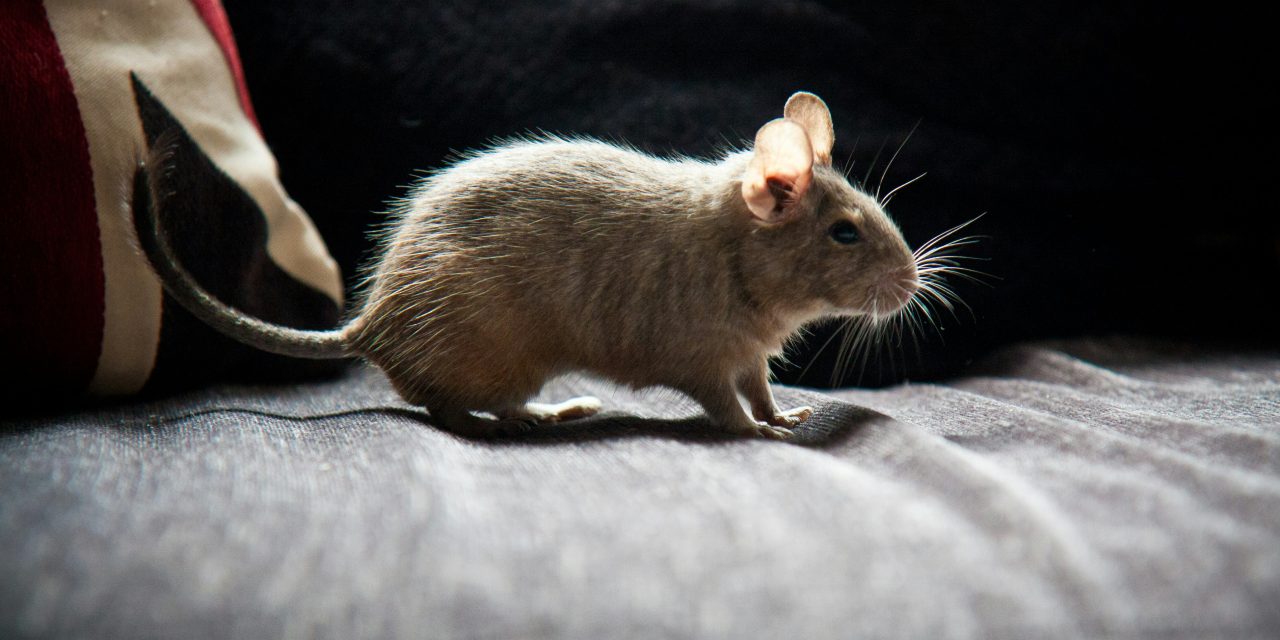
Mice and rats are two of the most common rodent species that invade human habitats, yet they exhibit distinct characteristics that set them apart. Mice, particularly the house mouse (Mus musculus), are typically smaller, measuring about 2.5 to 4 inches in body length, with a tail that is nearly as long as their body. Their fur is usually light brown or gray, and they possess large ears and a pointed snout. In contrast, the Norway rat (Rattus norvegicus) is significantly larger, averaging 7 to 9 inches in body length, with a robust body and a shorter tail. Their fur is coarser and darker, often appearing brown or grayish-black.
Understanding these differences is crucial for effective pest management. Mice tend to be more curious and exploratory, often entering homes through small openings. Rats, on the other hand, are more cautious and prefer to stay close to walls or hidden areas. This behavioral distinction can influence the choice of traps and bait used for control. Recognizing these traits can aid homeowners in identifying which rodent species they are dealing with, allowing for tailored strategies to mitigate infestations.
Common Signs of Rodent Infestation
Detecting a rodent infestation early can prevent extensive damage and health risks associated with these pests. Common signs include droppings, gnaw marks, and nesting materials. Rodent droppings are often found in areas where they feed or travel, typically resembling small black pellets. Additionally, gnaw marks on food packaging, furniture, or structural elements indicate active feeding behavior.
Another telltale sign is the presence of nesting materials such as shredded paper, fabric, or insulation. Rodents often create nests in hidden areas like attics, basements, or behind appliances. The accumulation of these signs can indicate a growing infestation that requires immediate attention. Homeowners should remain vigilant and conduct regular inspections to identify these indicators early on.
Differentiating between mouse and rat droppings is essential for accurate identification of the rodent species present in your home. Mouse droppings are typically small, measuring about 1/8 to 1/4 inch in length, with pointed ends resembling rice grains. They are usually dark brown or black and can be found scattered in various locations throughout the home.
In contrast, rat droppings are larger, measuring approximately 1/2 inch in length with blunt ends. They are often found in clusters near food sources or nesting sites. The size and shape of droppings can provide valuable information about the type of rodent infesting your space, which can guide your pest control efforts effectively.
Recognizing Nesting Materials and Locations

Nesting materials are crucial indicators of rodent activity within a structure. Mice typically use soft materials such as shredded paper, fabric scraps, or insulation to construct their nests. These nests are often hidden in secluded areas like wall voids, attics, or behind appliances where they feel secure from predators.
Rats, on the other hand, tend to build nests using sturdier materials such as cardboard or wood shavings. Their nests are often located in basements, crawl spaces, or even within wall cavities. Identifying these nesting sites can help homeowners determine the extent of the infestation and implement appropriate control measures.
Spotting Physical Damage Caused by Rodents

Rodents can cause significant physical damage to structures and belongings. Mice and rats have strong incisors that continuously grow throughout their lives, necessitating constant gnawing to keep their teeth trimmed. This behavior can lead to damage to electrical wiring, insulation, wooden structures, and even plumbing systems.
Signs of physical damage may include chewed wires that pose fire hazards, gnawed furniture or cabinetry, and holes in walls or floors where rodents have gained entry. Homeowners should inspect their properties regularly for these signs of damage to address potential hazards promptly.
Listening for Noises: What to Expect
Rodents are nocturnal creatures that tend to be most active during the night. Homeowners may hear various noises indicating rodent activity, including scratching sounds as they navigate through walls or ceilings. These sounds may resemble scurrying or rustling as rodents move about in search of food or nesting materials.
Additionally, squeaking or chirping noises may be audible during mating season when rodents communicate with one another. Being attentive to these sounds can help homeowners identify potential infestations early on and take appropriate action before the problem escalates.
Observing Rodent Behavior Patterns
Understanding rodent behavior patterns is essential for effective pest control strategies. Mice are known for their inquisitive nature; they often explore new environments and may venture into open spaces in search of food. They tend to travel along established pathways close to walls and furniture.
Rats exhibit more cautious behavior; they prefer to remain hidden and will avoid open areas unless necessary. They are also more territorial than mice and may display aggressive behavior when threatened. Observing these patterns can assist homeowners in determining the best placement for traps and bait stations.
Checking for Footprints and Tail Marks
Footprints and tail marks can provide additional evidence of rodent activity within a home. Mice leave small footprints that measure about 1/4 inch across, often accompanied by tail drag marks that indicate their movement patterns. These tracks can be found in dusty areas or near food sources.
Rats leave larger footprints measuring approximately 1/2 inch across with distinct tail marks trailing behind them. Inspecting areas such as attics, basements, or storage spaces for these signs can help confirm the presence of rodents and guide control efforts effectively.
Using Traps and Baits to Confirm Presence
Setting traps and using baits are effective methods for confirming rodent presence within a structure. Snap traps are commonly used for both mice and rats; they provide a quick kill when triggered by the rodent’s movement toward bait placed on the trap’s trigger mechanism.
Glue traps are another option; however, they may not be as humane as snap traps since they immobilize rodents without killing them immediately. Bait stations containing rodenticides can also be employed but should be used with caution due to potential risks to pets and children. Proper placement of traps and baits in areas where signs of activity have been observed increases the likelihood of successful capture.
When to Call a Professional Exterminator
While some infestations may be manageable through DIY methods, there are instances when calling a professional exterminator is necessary. If an infestation is extensive or if there are concerns about health risks associated with rodent droppings or urine contamination, seeking professional assistance is advisable.
Additionally, if homeowners have attempted various control methods without success or if they lack the time or resources to address the issue effectively, enlisting the help of pest control experts can provide peace of mind. Professionals possess specialized knowledge and tools that enable them to assess the situation accurately and implement targeted strategies for eradication.
Preventative Measures to Avoid Future Infestations
Preventing future rodent infestations requires proactive measures aimed at eliminating potential entry points and food sources. Homeowners should seal cracks and gaps in walls, foundations, and around utility lines to prevent rodents from gaining access to their homes. Installing door sweeps and repairing damaged screens can also help keep these pests at bay.
Maintaining cleanliness is crucial; storing food in airtight containers and promptly cleaning up spills can reduce attractants for rodents. Regularly inspecting basements, attics, and storage areas for signs of rodent activity allows homeowners to address potential issues before they escalate into infestations.
In summary, understanding the differences between mice and rats is vital for effective pest management strategies. Recognizing signs of infestation such as droppings, nesting materials, physical damage, noises, behavior patterns, footprints, and using traps can aid in confirming rodent presence. When infestations become overwhelming or health risks arise, seeking professional extermination services is advisable. Implementing preventative measures ensures long-term protection against future infestations while maintaining a clean living environment free from rodents’ detrimental effects.
FAQs
What are the main differences between mice and rats?
Mice are generally smaller, with bodies measuring about 2.5 to 4 inches long, while rats can grow to be 9 to 11 inches long. Mice have pointed snouts and large ears, whereas rats have broader heads and smaller ears in proportion to their bodies. Additionally, mice tend to have lighter-colored fur, while rats usually have darker fur.
What signs indicate a mouse infestation?
Signs of a mouse infestation include droppings that are small and cylindrical, gnaw marks on food packaging or furniture, and nests made from shredded paper or fabric. You may also hear scratching noises in walls or ceilings, especially at night when mice are most active.
What signs indicate a rat infestation?
Signs of a rat infestation include larger droppings that are about ¾ inch long and blunt on the ends, gnaw marks that are more pronounced and can damage wood or plastic, and burrows or holes in the ground near buildings. Additionally, you may notice a strong, musky odor associated with rat urine and feces.
How can I differentiate between mouse and rat droppings?
Mouse droppings are small, about 1/8 to 1/4 inch long, and have pointed ends, while rat droppings are larger, measuring about ¾ inch long, and have blunt ends. The color of mouse droppings is usually dark brown or black, while rat droppings can vary in color but are often shiny and moist when fresh.
What should I do if I suspect I have mice or rats in my home?
If you suspect a rodent infestation, it is important to take action quickly. Seal any entry points in your home, set traps or bait stations, and remove food sources by storing food in airtight containers. If the infestation is severe, consider contacting a pest control professional for assistance.