In the realm of interior design, the integration of indoor plants has emerged as a transformative trend, enhancing aesthetic appeal while promoting well-being. The presence of greenery within living spaces not only elevates the visual ambiance but also contributes to improved air quality and psychological health. As urban dwellers increasingly seek solace in nature, the allure of indoor plants has surged, leading to a diverse selection of species that cater to various tastes and lifestyles.
Indoor plants serve as living decor, offering a dynamic element that evolves with the seasons. From vibrant blooms to lush foliage, these botanical companions can complement any design scheme, whether it be minimalist, bohemian, or contemporary. This article delves into a curated selection of stunning indoor plants that not only beautify spaces but also provide numerous benefits, making them essential additions to any home.
If you’re interested in enhancing your indoor gardening experience, you might want to check out this article on hibiscus indoor plants, which provides valuable tips on how to care for these vibrant flowers. Additionally, for pet owners, understanding how to create a harmonious environment at home is crucial. You can find helpful insights in this article about dog training that every pet owner should know by visiting here.
The Allure of Hibiscus: A Tropical Beauty Indoors
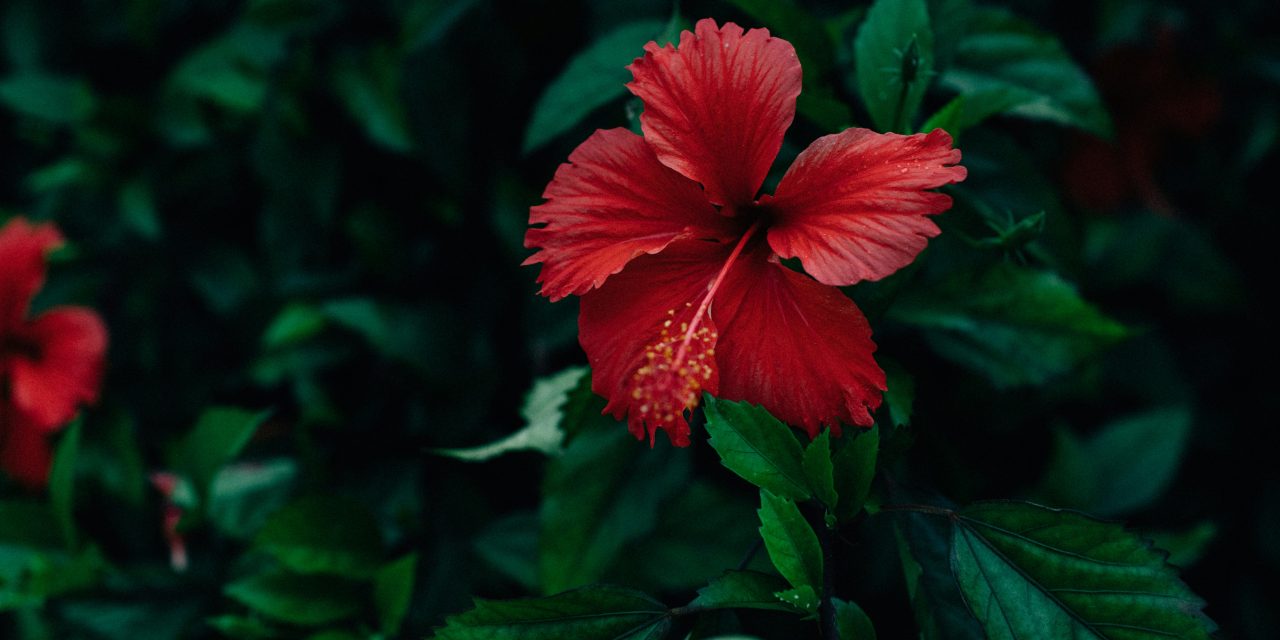
Hibiscus, renowned for its striking flowers and lush foliage, brings a touch of the tropics into indoor environments. With varieties that bloom in an array of colors, including vibrant reds, yellows, and pinks, hibiscus plants can serve as focal points in any room. Their large, trumpet-shaped blossoms are not only visually captivating but also evoke a sense of warmth and relaxation reminiscent of sunny beach destinations.
Cultivating hibiscus indoors requires attention to specific care needs. These plants thrive in bright, indirect sunlight and prefer well-draining soil enriched with organic matter. Regular watering is essential, particularly during the growing season, to maintain optimal moisture levels. Fertilization every few weeks with a balanced fertilizer can promote vigorous growth and prolific blooming. However, it is crucial to avoid overwatering, as this can lead to root rot—a common issue that can jeopardize the health of the plant.
Peace Lily: Elegance and Air Purification Combined

The peace lily (Spathiphyllum) is celebrated not only for its elegant white blooms but also for its remarkable air-purifying capabilities. This hardy plant is adept at removing toxins such as formaldehyde and benzene from indoor air, making it an ideal choice for enhancing indoor air quality. Its glossy green leaves provide a striking contrast to its delicate flowers, creating a sophisticated aesthetic that complements various decor styles.
Caring for a peace lily involves providing moderate light conditions and maintaining consistent moisture in the soil. While these plants can tolerate low light, they flourish best in bright, indirect sunlight. Watering should be done when the top inch of soil feels dry; however, it is essential to avoid letting the plant sit in standing water. Additionally, peace lilies benefit from occasional fertilization during the growing season to support their growth and flowering potential.
Snake Plant: Low Maintenance and Striking Appearance

The snake plant (Sansevieria), also known as mother-in-law’s tongue, is a popular choice among indoor plant enthusiasts due to its striking architectural form and minimal care requirements. Characterized by its tall, upright leaves with distinctive variegation, this plant adds a modern touch to any space while being remarkably resilient. Snake plants are known for their ability to thrive in low light conditions and require infrequent watering, making them perfect for busy individuals or those new to plant care.
To ensure optimal growth, snake plants should be placed in well-draining soil and pots with drainage holes. They prefer to dry out between waterings, which helps prevent overwatering—a common pitfall for many indoor gardeners. Additionally, snake plants can tolerate a range of temperatures and humidity levels, making them adaptable to various indoor environments. Their air-purifying properties further enhance their appeal, as they convert carbon dioxide into oxygen during the night.
If you’re considering adding a hibiscus indoor plant to your collection, it’s essential to understand how to care for it properly to ensure it thrives in your home environment. A well-maintained hibiscus can bring vibrant colors and a tropical feel to your space. For those interested in keeping their pets healthy while enjoying their indoor plants, you might find it helpful to read about what healthy cat poop looks like and the changes to watch for in your furry friends. This information can be crucial for pet owners who want to create a safe and beautiful living space. You can check out the article here for more insights.
Monstera Deliciosa: The Swiss Cheese Plant Trend
Monstera deliciosa has gained immense popularity in recent years, often referred to as the Swiss cheese plant due to its unique leaf perforations. This tropical beauty adds an exotic flair to interiors with its large, glossy leaves that can grow up to three feet long. Monstera thrives in bright, indirect light but can adapt to lower light conditions as well. Its dramatic foliage makes it an ideal statement piece for living rooms or offices.
Caring for monstera involves providing adequate humidity and moisture while ensuring proper drainage. Regular watering is essential during the growing season; however, it is crucial to allow the top inch of soil to dry out between waterings. Fertilizing every month during the growing season with a balanced fertilizer can promote healthy growth and vibrant foliage. Additionally, monstera plants benefit from occasional pruning to maintain their shape and encourage bushier growth.
Fiddle Leaf Fig: Bold Statements in Interior Design
The fiddle leaf fig (Ficus lyrata) has become synonymous with modern interior design due to its dramatic appearance and bold foliage. With large, violin-shaped leaves that can reach impressive sizes, this plant serves as a striking focal point in any room. Fiddle leaf figs thrive in bright, indirect light and prefer consistent moisture levels in their soil.
To cultivate a healthy fiddle leaf fig, it is essential to provide adequate light exposure while avoiding direct sunlight that can scorch the leaves. Watering should be done when the top inch of soil feels dry; however, overwatering should be avoided as it can lead to root rot. Regularly dusting the leaves helps maintain their glossy appearance and allows for optimal photosynthesis. Additionally, rotating the plant periodically ensures even growth and prevents it from leaning toward the light source.
ZZ Plant: Hardy and Glossy Foliage for Any Room
The ZZ plant (Zamioculcas zamiifolia) is celebrated for its resilience and glossy foliage, making it an excellent choice for those seeking low-maintenance greenery. With its thick, waxy leaves that reflect light beautifully, this plant adds a touch of elegance to any space while requiring minimal care. ZZ plants thrive in low light conditions and can tolerate periods of drought, making them ideal for busy lifestyles or less-than-ideal indoor environments.
Caring for a ZZ plant involves placing it in well-draining soil and allowing it to dry out between waterings. Overwatering is one of the few ways this hardy plant can suffer; thus, it is crucial to err on the side of caution when it comes to hydration. ZZ plants are also relatively pest-resistant and can adapt to varying humidity levels, making them suitable for various indoor settings.
Pothos: Versatile Vines for Shelves and Hanging Baskets
Pothos (Epipremnum aureum) is one of the most versatile indoor plants available today. Known for its trailing vines and heart-shaped leaves, pothos can be trained to climb or allowed to cascade from shelves or hanging baskets. This adaptable plant thrives in various lighting conditions—from low light to bright indirect sunlight—making it suitable for nearly any room in the house.
Caring for pothos involves ensuring well-draining soil and allowing the top inch of soil to dry out between waterings. Fertilizing every few months during the growing season can promote lush growth and vibrant foliage. Pothos is also known for its air-purifying properties, effectively removing toxins from indoor air while adding a touch of natural beauty to your decor.
Calathea: Vibrant Patterns and Unique Leaf Movements
Calathea plants are renowned for their stunning foliage characterized by intricate patterns and vibrant colors. These tropical beauties are often referred to as “prayer plants” due to their unique leaf movements—folding up at night and unfurling during the day. Calatheas thrive in humid environments and prefer indirect light conditions, making them ideal candidates for bathrooms or kitchens.
To care for calathea effectively, it is essential to maintain consistent moisture levels in the soil while avoiding direct sunlight that can scorch their delicate leaves. Regular misting or placing a humidifier nearby can help replicate their natural habitat’s humidity levels. Fertilizing every few months during the growing season supports healthy growth and vibrant leaf patterns.
Rubber Plant: Glossy Leaves and Easy Care Requirements
The rubber plant (Ficus elastica) is celebrated for its glossy leaves and robust growth habit, making it a popular choice among indoor gardeners seeking an eye-catching addition to their decor. With its large leaves that can vary in color from deep green to variegated shades of cream and green, this plant adds a touch of sophistication to any space.
Caring for a rubber plant involves providing bright indirect light while allowing the top inch of soil to dry out between waterings. Overwatering should be avoided as it can lead to root rot; thus, ensuring proper drainage is crucial. Regularly wiping down the leaves helps maintain their shine while promoting healthy photosynthesis.
Tips for Caring for Your Indoor Plants to Keep Them Stunning
To ensure your indoor plants remain stunning throughout their lifespan, consider implementing these essential care tips:
1. **Light Requirements**: Understand each plant’s specific light needs—some thrive in bright indirect light while others prefer low-light conditions.
2. **Watering Practices**: Avoid overwatering by allowing the top inch of soil to dry out before watering again; always use pots with drainage holes.
3. **Humidity Levels**: Many tropical plants benefit from higher humidity; consider misting or using a humidifier if your home is particularly dry.
4. **Fertilization**: Regularly fertilize during the growing season with a balanced fertilizer tailored for houseplants.
5. **Pruning**: Periodically prune dead or yellowing leaves to encourage new growth and maintain an attractive appearance.
6. **Pest Management**: Keep an eye out for pests such as spider mites or aphids; treat infestations promptly with insecticidal soap or neem oil.
7. **Repotting**: Repot plants every couple of years or when they outgrow their containers; this promotes healthy root development.
In conclusion, incorporating stunning indoor plants into your home decor not only enhances visual appeal but also contributes positively to your overall well-being. From the tropical allure of hibiscus to the resilient nature of snake plants and ZZ plants, there exists a diverse array of options suitable for various lifestyles and preferences. By understanding each plant’s unique care requirements and implementing effective maintenance strategies, you can create a thriving indoor garden that brings joy and tranquility into your living space.
FAQs
What are the ideal growing conditions for hibiscus indoor plants?
Hibiscus indoor plants thrive in bright, indirect sunlight and prefer temperatures between 60°F to 75°F (15°C to 24°C). They also require high humidity levels, so it’s beneficial to mist the leaves or use a humidity tray to maintain moisture in the air.
How often should I water my hibiscus indoor plant?
Hibiscus indoor plants should be watered regularly, allowing the top inch of soil to dry out between waterings. Typically, this means watering once a week, but frequency may vary based on humidity and temperature. Ensure that the pot has good drainage to prevent root rot.
What type of soil is best for hibiscus indoor plants?
A well-draining potting mix is ideal for hibiscus indoor plants. A mixture of peat moss, perlite, and compost can provide the necessary drainage and nutrients. It’s important to avoid heavy soils that retain too much moisture.
How can I encourage blooming in my hibiscus indoor plant?
To encourage blooming, ensure your hibiscus receives adequate sunlight and is fertilized regularly during the growing season with a balanced fertilizer. Pruning spent flowers and providing consistent watering can also promote more blooms.
Are hibiscus indoor plants prone to any pests or diseases?
Yes, hibiscus indoor plants can be susceptible to pests such as aphids, spider mites, and whiteflies. They may also experience issues like root rot if overwatered. Regularly inspecting the plant and maintaining proper care can help prevent these problems.