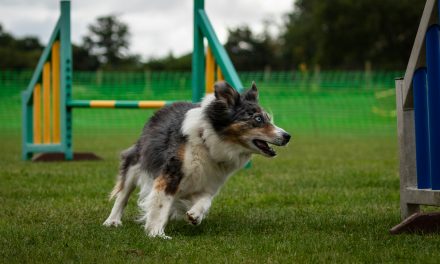
Understanding your dog’s breed and personality is paramount in fostering a harmonious relationship between you and your canine companion. Each breed possesses unique characteristics, temperaments, and energy levels that can significantly influence training methods and lifestyle choices. For instance, herding breeds such as Border Collies are known for their intelligence and high energy, necessitating more rigorous mental and physical stimulation compared to more laid-back breeds like Bulldogs. Recognizing these traits allows owners to tailor their training approaches, ensuring they align with the dog’s inherent tendencies.
Moreover, individual personality traits play a crucial role in how a dog responds to training. Factors such as age, previous experiences, and socialization history can shape a dog’s behavior. For example, a shy or anxious dog may require a gentler approach, while a confident and assertive dog might thrive under more structured training. Understanding these nuances not only enhances the training experience but also strengthens the bond between owner and pet, fostering trust and cooperation.
Establishing Consistent Training Routines
Establishing consistent training routines is essential for effective dog training. Dogs thrive on predictability, and a structured routine helps them understand what is expected of them. Consistency in commands, timing, and rewards reinforces learning and minimizes confusion. For instance, using the same verbal cues and hand signals for commands ensures that your dog associates specific actions with particular responses. This clarity is vital for successful communication.
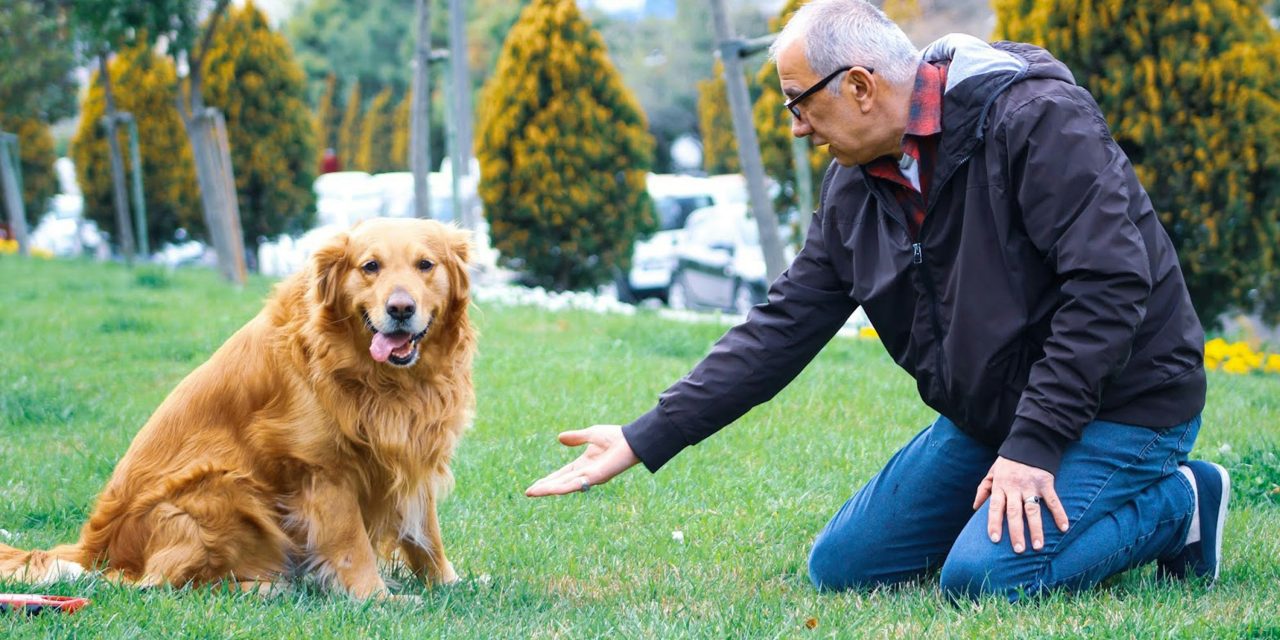
Incorporating training into daily activities can also enhance routine establishment. For example, integrating commands during walks or playtime reinforces learning in various contexts. Setting aside dedicated training sessions, ideally at the same time each day, can further solidify this routine. Over time, your dog will begin to anticipate these sessions, leading to improved focus and engagement during training.
Using Positive Reinforcement Techniques

Positive reinforcement techniques are widely regarded as the most effective method for training dogs. This approach involves rewarding desired behaviors with treats, praise, or playtime, thereby encouraging the dog to repeat those behaviors in the future. The principle behind positive reinforcement is rooted in behavioral psychology; when a behavior is followed by a favorable outcome, it is more likely to be repeated. This method not only fosters learning but also strengthens the bond between owner and pet.
Implementing positive reinforcement requires timing and consistency. Rewards should be given immediately after the desired behavior occurs to create a clear association. For example, if your dog sits on command, offering a treat right away reinforces that action. Additionally, varying the types of rewards can keep your dog motivated; some dogs may respond better to treats, while others may prefer verbal praise or playtime with their favorite toy. This flexibility allows for a more personalized training experience.
Teaching Basic Commands Early On

Teaching basic commands early on is crucial for establishing a solid foundation for your dog’s behavior. Commands such as “sit,” “stay,” “come,” and “down” are fundamental skills that enhance safety and facilitate better communication between you and your pet. Starting training during the puppy stage is particularly advantageous, as young dogs are often more receptive to learning new commands and behaviors.
When introducing these commands, it is essential to use clear and concise language while maintaining an upbeat tone to keep your dog engaged. For instance, when teaching “sit,” hold a treat above your dog’s nose and slowly move it back over their head; this encourages them to lower their rear end to the ground. Once they sit, immediately reward them with the treat and praise. Repetition is key; practicing these commands in various environments helps reinforce learning and ensures your dog can respond reliably in different situations.
Socializing Your Dog with Other Animals and People
Socialization is a critical aspect of dog training that involves exposing your pet to various environments, people, and other animals. Proper socialization helps prevent behavioral issues such as fearfulness or aggression later in life. Early exposure to different stimuli allows dogs to develop confidence and adaptability, making them well-rounded companions.
To effectively socialize your dog, start by introducing them to a variety of experiences in controlled settings. This could include visits to parks, pet-friendly stores, or organized puppy classes where they can interact with other dogs and people. Gradually increasing exposure to new situations helps build resilience and reduces anxiety. It’s important to monitor your dog’s reactions during these interactions; if they show signs of stress or fear, it may be necessary to take a step back and proceed at a pace that suits their comfort level.
Addressing Behavioral Issues Promptly
Addressing behavioral issues promptly is essential for maintaining a well-behaved dog. Ignoring problematic behaviors can lead to escalation and make correction more challenging over time. Common issues such as excessive barking, chewing, or jumping can often be mitigated through early intervention and consistent training strategies.
When addressing behavioral problems, it’s crucial to identify the underlying cause of the behavior. For instance, excessive barking may stem from boredom or anxiety rather than a desire to misbehave. Understanding the root cause allows for targeted solutions; providing adequate exercise or mental stimulation may alleviate the issue without resorting to punitive measures. Additionally, employing positive reinforcement techniques can help redirect undesirable behaviors into more acceptable actions.
Incorporating Regular Exercise into Training
Incorporating regular exercise into training routines is vital for a dog’s physical health and mental well-being. Dogs require daily physical activity to expend energy and maintain optimal health; insufficient exercise can lead to behavioral issues stemming from pent-up energy or boredom. Engaging in regular exercise not only promotes fitness but also enhances the effectiveness of training sessions.
Activities such as walking, running, playing fetch, or participating in agility courses provide excellent outlets for energy release while reinforcing obedience skills. Combining exercise with training commands can create a dynamic learning environment; for example, practicing “come” during playtime reinforces recall skills while keeping your dog physically active. Striking a balance between exercise and training ensures that your dog remains engaged and responsive during sessions.
Utilizing Proper Crate Training Methods
Crate training is an effective method for housebreaking dogs and providing them with a safe space of their own. When implemented correctly, crate training can foster a sense of security for your pet while also aiding in behavioral management. The crate serves as a den-like environment where dogs can retreat when they need rest or solitude.
To begin crate training, introduce your dog to the crate gradually by making it a positive experience. Place treats or toys inside the crate to encourage exploration without forcing them inside. Gradually increase the time spent in the crate while ensuring they associate it with comfort rather than punishment. It’s essential to avoid using the crate as a form of discipline; instead, view it as a safe haven for your dog.
Avoiding Common Training Mistakes
Avoiding common training mistakes is crucial for achieving successful outcomes in dog training endeavors. One prevalent error is inconsistency in commands or expectations; using different words or signals can confuse your dog and hinder progress. Establishing clear guidelines from the outset ensures that your pet understands what is expected of them.
Another common mistake is neglecting socialization opportunities during critical developmental periods. Failing to expose your dog to various environments and experiences can lead to fearfulness or aggression later in life. Additionally, relying solely on punitive measures rather than positive reinforcement can damage the bond between you and your pet while failing to address underlying behavioral issues effectively.
Patience and Persistence: Key to Success
Patience and persistence are fundamental qualities required for successful dog training. Training is not an overnight process; it requires time, dedication, and understanding that setbacks may occur along the way. Dogs learn at different paces; some may grasp commands quickly while others may take longer to master specific skills.
Maintaining a positive attitude throughout the training journey fosters an encouraging environment for both you and your dog. Celebrating small victories along the way reinforces progress and motivates continued effort. Remember that consistency in practice combined with patience will yield long-term results in shaping your dog’s behavior.
Knowing When to Seek Professional Help
Knowing when to seek professional help is an important aspect of responsible dog ownership. If you encounter persistent behavioral issues that seem unmanageable despite consistent efforts at home, consulting with a professional trainer or behaviorist may be beneficial. These experts possess specialized knowledge in canine behavior and can provide tailored strategies for addressing specific challenges.
Additionally, if you notice signs of aggression or extreme anxiety in your dog that interfere with daily life or interactions with others, professional guidance is essential for ensuring safety and well-being for both your pet and those around them. Early intervention through professional assistance can lead to more effective solutions and ultimately enhance the quality of life for both you and your canine companion.
In summary, understanding your dog’s breed characteristics, establishing consistent routines, employing positive reinforcement techniques, teaching basic commands early on, socializing effectively, addressing behavioral issues promptly, incorporating regular exercise into training sessions, utilizing proper crate methods, avoiding common mistakes, exercising patience and persistence throughout the process are all vital components of successful dog training. Recognizing when professional help is necessary further ensures that both you and your furry friend enjoy a fulfilling relationship built on trust and understanding.
FAQs
What are the basic commands every dog should learn?
Every dog should learn basic commands such as “sit,” “stay,” “come,” “down,” and “leave it.” These commands help establish communication between the owner and the dog, ensuring safety and good behavior in various situations.
How long should training sessions last?
Training sessions should typically last between 5 to 15 minutes, especially for puppies. Short, frequent sessions are more effective than longer ones, as they help maintain the dog’s attention and prevent frustration.
What is positive reinforcement in dog training?
Positive reinforcement is a training method that involves rewarding desired behaviors with treats, praise, or playtime. This approach encourages dogs to repeat those behaviors, making it a highly effective training technique.
At what age should I start training my dog?
Training can begin as early as 7 to 8 weeks of age. Early socialization and basic obedience training are crucial during this developmental stage, as it helps shape a well-adjusted adult dog.
How can I address behavioral issues in my dog?
To address behavioral issues, it’s important to identify the root cause of the behavior and implement consistent training techniques. Consulting a professional dog trainer or behaviorist can also provide tailored strategies to correct specific problems.