Understanding canine behavior is paramount for any dog owner. Dogs communicate through a complex array of vocalizations, body language, and facial expressions. Recognizing these signals can significantly enhance the bond between a dog and its owner. For instance, a wagging tail does not always indicate happiness; it can also signify excitement or anxiety depending on the context. Similarly, a dog that growls may be expressing discomfort or fear rather than aggression. Observing your dog’s behavior in various situations allows you to interpret their needs and emotions accurately.
Moreover, understanding the underlying motivations for certain behaviors is crucial. Dogs are instinctual creatures, and many of their actions stem from their ancestral roots. For example, a dog may dig in the yard due to its instinct to create a den or to seek out small animals. Recognizing these instincts can help owners redirect behaviors more effectively. By understanding the nuances of canine behavior, owners can create a more harmonious living environment and foster a deeper connection with their pets.
Establishing Consistent Training Routines
Establishing consistent training routines is essential for effective dog training. Dogs thrive on routine and predictability, which helps them understand what is expected of them. A structured training schedule not only reinforces learning but also builds trust between the dog and its owner. Training sessions should be short, engaging, and frequent to maintain the dog’s attention and enthusiasm. Ideally, sessions should last between 5 to 15 minutes, depending on the dog’s age and attention span.
Incorporating training into daily activities can also enhance consistency. For example, using meal times as an opportunity for training can reinforce commands like “sit” or “stay.” Additionally, integrating training into walks or playtime can provide practical applications for learned commands. This approach not only reinforces the training but also makes it a natural part of the dog’s daily life, leading to better retention of learned behaviors.
Using Positive Reinforcement Techniques

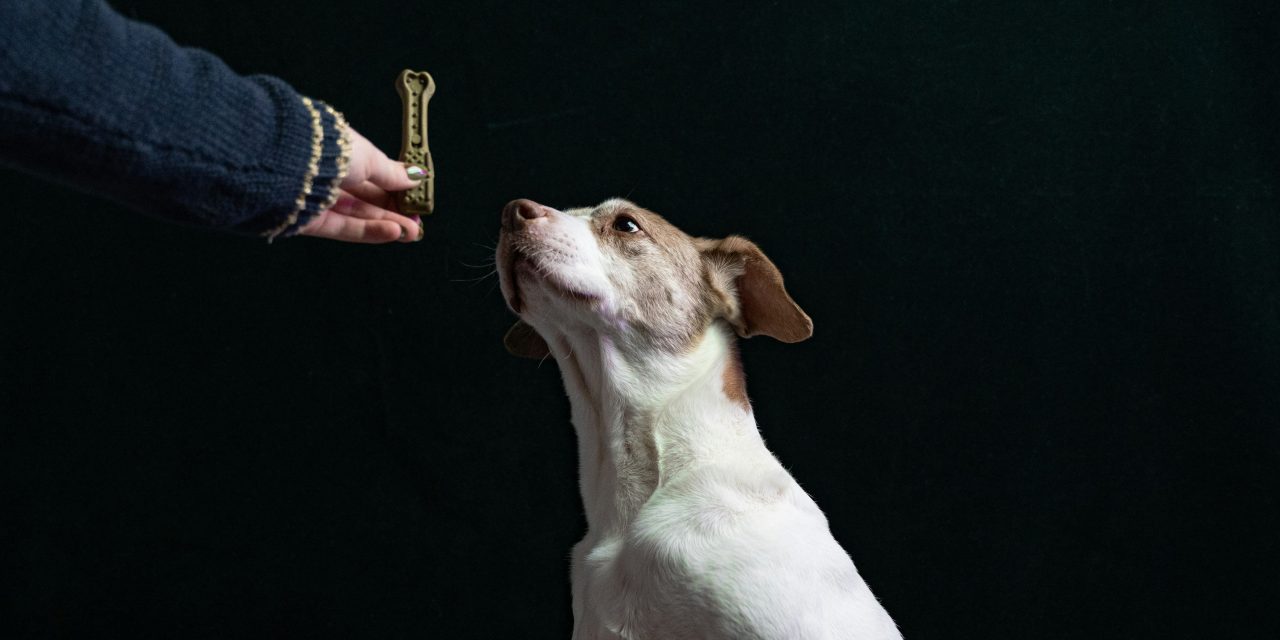
Positive reinforcement is a cornerstone of effective dog training. This technique involves rewarding desired behaviors with treats, praise, or playtime, thereby encouraging the dog to repeat those behaviors in the future. Research has shown that positive reinforcement leads to more reliable behavior changes compared to punitive methods. For instance, when a dog sits on command and receives a treat, it associates sitting with positive outcomes, making it more likely to comply in the future.
It is essential to choose appropriate rewards that motivate your dog. High-value treats, such as small pieces of chicken or cheese, can be particularly effective during training sessions. Additionally, timing is crucial; rewards should be given immediately after the desired behavior occurs to create a clear association. Over time, as the dog becomes more proficient in following commands, owners can gradually reduce the frequency of treats while maintaining verbal praise and affection as ongoing reinforcement.
Identifying and Managing Triggers

Identifying and managing triggers is vital for addressing behavioral issues in dogs. Triggers can include specific sounds, sights, or situations that provoke anxiety or aggression in dogs. For example, a dog may react negatively to loud noises such as thunderstorms or fireworks. By observing your dog’s reactions in various environments, you can pinpoint these triggers and develop strategies to manage them effectively.
Once triggers are identified, desensitization techniques can be employed. This involves gradually exposing the dog to the trigger in a controlled manner while providing positive reinforcement for calm behavior. For instance, if a dog is fearful of strangers, owners can introduce them slowly while rewarding the dog for remaining calm. Over time, this process can help reduce the dog’s anxiety and improve its overall behavior in triggering situations.
Implementing Proper Socialization Practices
Proper socialization is crucial for developing a well-adjusted dog. Early exposure to various environments, people, and other animals helps dogs learn appropriate behaviors and reduces the likelihood of fear-based reactions later in life. Socialization should begin as early as possible, ideally during the critical developmental period between 3 and 14 weeks of age. During this time, puppies are particularly receptive to new experiences.
Socialization can take many forms, including puppy classes, playdates with other dogs, and visits to different environments such as parks or pet-friendly stores. It is essential to ensure that these experiences are positive; negative encounters can lead to lasting fears or aggressive behaviors. Gradually introducing new experiences while monitoring your dog’s comfort level will help build confidence and promote positive interactions with others.
Teaching Basic Commands Effectively
Teaching basic commands is fundamental for ensuring safety and good behavior in dogs. Commands such as “sit,” “stay,” “come,” and “down” form the foundation of obedience training and facilitate better communication between the owner and the dog. To teach these commands effectively, it is important to use clear verbal cues combined with hand signals for better understanding.
When introducing a new command, start in a quiet environment with minimal distractions. Use treats or toys as motivation and reward your dog immediately upon compliance. Consistency is key; use the same verbal cue and hand signal each time you practice the command. Repetition will reinforce learning, and over time, your dog will respond reliably to commands even in more distracting environments.
Addressing Separation Anxiety in Dogs
Separation anxiety is a common issue that affects many dogs when left alone for extended periods. Symptoms may include excessive barking, destructive behavior, or attempts to escape from confinement areas. Understanding the root causes of separation anxiety is essential for developing effective treatment strategies. Often, this condition stems from a lack of confidence or previous traumatic experiences related to being left alone.
To address separation anxiety, gradual desensitization techniques can be employed. Start by leaving your dog alone for short periods while gradually increasing the duration over time. Providing engaging toys or puzzles can help keep your dog occupied during your absence. Additionally, creating a safe space with familiar scents can provide comfort when you are away. In severe cases, consulting with a veterinarian or animal behaviorist may be necessary to explore medication options or specialized training programs.
Redirecting Unwanted Behaviors
Redirecting unwanted behaviors is an essential skill for any dog owner. Dogs may engage in undesirable actions such as chewing furniture or excessive barking due to boredom or lack of proper outlets for their energy. Instead of punishing these behaviors, it is more effective to redirect your dog’s focus toward acceptable alternatives.
For instance, if your dog is chewing on furniture, provide appropriate chew toys that are enticing and durable. When you catch your dog engaging in unwanted behavior, calmly redirect them to the appropriate item while offering praise when they comply. This approach not only discourages negative behaviors but also reinforces positive choices by providing alternatives that satisfy their natural instincts.
Utilizing Crate Training for Behavior Control
Crate training is an effective method for managing behavior and providing a safe space for dogs when unsupervised. A crate serves as a den-like environment where dogs can feel secure while preventing destructive behaviors when left alone. It is crucial to introduce the crate positively; never use it as a form of punishment.
Start by allowing your dog to explore the crate at their own pace, using treats and toys to create positive associations with it. Gradually increase the time spent inside the crate while ensuring they are comfortable and relaxed. Crate training can also assist with housebreaking by encouraging dogs to hold their bladder until they are let outside.
Seeking Professional Help When Necessary
In some cases, seeking professional help may be necessary for addressing complex behavioral issues in dogs. Professional trainers or animal behaviorists possess specialized knowledge and experience that can provide valuable insights into your dog’s behavior patterns. They can assess specific issues such as aggression or severe anxiety and develop tailored training plans that suit your dog’s unique needs.
When selecting a professional trainer or behaviorist, look for credentials such as certification from reputable organizations like the Association of Professional Dog Trainers (APDT) or the International Association of Animal Behavior Consultants (IAABC). A qualified professional will utilize humane training methods based on positive reinforcement principles rather than aversive techniques.
Maintaining Patience and Persistence Throughout Training
Training a dog requires patience and persistence from owners. Behavioral changes do not occur overnight; consistent practice and reinforcement are essential for long-term success. It is important to celebrate small victories along the way and remain committed even when progress seems slow.
Maintaining a positive attitude during training sessions fosters an encouraging environment for both you and your dog. If challenges arise, take breaks when needed and return to training with renewed energy and focus. Remember that every dog learns at its own pace; adapting your approach based on your dog’s individual needs will ultimately lead to more effective training outcomes.
In summary, understanding canine behavior is fundamental for successful training and fostering a strong bond between dogs and their owners. Establishing consistent routines combined with positive reinforcement techniques enhances learning outcomes while identifying triggers helps manage behavioral issues effectively. Proper socialization practices lay the groundwork for well-adjusted dogs, while teaching basic commands ensures safety and communication clarity.
Addressing separation anxiety requires gradual desensitization strategies alongside redirection techniques for unwanted behaviors promotes positive choices in dogs. Utilizing crate training provides structure while seeking professional help when necessary ensures tailored solutions for complex issues arise.
Ultimately, maintaining patience and persistence throughout the training process will yield lasting results that benefit both dogs and their owners alike.
FAQs
What is dog behavior modification?
Dog behavior modification is a systematic approach to changing undesirable behaviors in dogs through various training techniques and strategies. It often involves identifying the root cause of the behavior, implementing positive reinforcement, and gradually teaching the dog alternative behaviors to replace the unwanted ones.
What are common behaviors that may require modification?
Common behaviors that may require modification include excessive barking, aggression towards other animals or people, separation anxiety, destructive chewing, and fear-based reactions to certain stimuli. Each of these behaviors can stem from different underlying issues, such as lack of socialization, fear, or boredom.
How long does it take to modify a dog’s behavior?
The time it takes to modify a dog’s behavior can vary widely depending on several factors, including the severity of the behavior, the dog’s age, the consistency of training, and the methods used. Some behaviors may show improvement within a few weeks, while others may take several months or longer to fully address.
Can I modify my dog’s behavior on my own?
Yes, many dog owners can successfully modify their dog’s behavior on their own by using positive reinforcement techniques and consistent training practices. However, for more complex issues or severe behavioral problems, it may be beneficial to consult a professional dog trainer or behaviorist for guidance and support.
What role does positive reinforcement play in behavior modification?
Positive reinforcement is a key component of behavior modification, as it encourages desired behaviors by rewarding the dog with treats, praise, or play when they exhibit the behavior you want to reinforce. This approach helps to build a positive association with the desired behavior, making it more likely that the dog will repeat it in the future.